
Lowest Price Guaranteed
Pages
231
Last Updated
July 2026
View Count
13878
The botanicals market encompasses a wide range of natural products derived from herbs, spices, flowers, and other sources. Botanicals have found application in several industries such as food and beverage, dietary supplements, personal care, cosmetics, and animal feed. The market is being primarily driven by the increasing awareness regarding the benefits of natural products over synthetic ones, the rising demand for transparency in sourcing and labeling, and the growing trend of clean label products.
Botanicals, also known as botanical medicines, are plant-derived substances valued for their medicinal or therapeutic properties, flavor, and scent. They include various parts of plants such as leaves, flowers, seeds, bark, roots, and twigs. Botanicals have been used for centuries and are now widely available as botanical preparations, botanical drugs, and essential oils. These products are used to maintain or improve health and are sometimes referred to as herbal products, botanical products, or phytomedicines. Common ways to prepare botanicals for use include teas, infusions, decoctions, tinctures, and extracts. Botanical preparations are marketed as dietary supplements and do not require U.S. Food and Drug Administration (FDA) certification, as they make no claims about curing a specific illness. Botany, the science of plant life, encompasses the study of plant structure, growth, reproduction, biochemistry, diseases, evolutionary relationships, and more. It has diverse applications in providing staple foods, materials, drugs, horticulture, agriculture, forestry, environmental management, and biodiversity maintenance.
 |
 |
 |
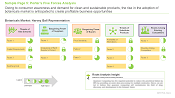
The botanicals market is expected to experience significant growth attributed to various factors, such as increasing awareness regarding the benefits of natural products over synthetic products, rising demand for transparency in sourcing and labeling, and the growing consumer preference for natural and plant-based ingredients are driving the market growth. According to International Food Information Council (IFIC) 2023 Food Health Report, the percentage of consumers preferring products labeled as natural, no added hormones or steroids, organic, and clean ingredients has increased in 2023.
Additionally, the suppliers are also bringing out published research to support the health benefits of the botanical ingredients. As consumer awareness is increasing, they are seeking clean labels, essentially labels mentioning ‘free from’ claims such as gluten-free. All these factors along with product innovation, expansion, and investment in research and development activities will drive significant growth in botanicals market over the forecast period.
Market restraints in the botanicals market include quality control issues, regulatory complexities, and sustainable sourcing and cultivation practices. These challenges can affect the long-term viability of production practices and the availability of raw materials, leading to fluctuations in cost structures and profit generation for botanical manufacturers. Additionally, the lack of consistency in the availability of raw materials remains a key challenge for the food botanicals market. These restraints can impact the growth and stability of the botanicals market, requiring companies to invest in research and development, product innovation, and strategic partnerships to address these challenges and strengthen their market presence.
The botanicals market presents significant opportunities driven by increasing consumer preference for natural and organic products, rising awareness of the health benefits of botanicals, and their diverse applications in food and beverage, dietary supplements, personal care products, and cosmetics. Furthermore, botanicals and derived preparations made from plants, algae, fungi, or lichens are widely available on the market in the form of food supplements, presenting additional market potential. These opportunities indicate the potential for growth and innovation in the botanicals industry, presenting avenues for investment and product development. Botanical ingredients are finding applications in new areas, particularly functional beverages. According to SPINS, a data provider for the consumer industry, caffeine, green tea extracts and gurana are some of the highest selling botanical ingredients used in functional beverages.
 |
 |
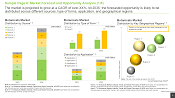 |
The botanicals market has been forecast on the basis of source of botanical ingredient (herbs, leaves, spices, flowers and other sources). On the basis of applications (food and beverages, dietary supplements, animal feed and other applications). By geographical regions, the market is analyzed across North America, Europe, Asia-Pacific, Middle East and North Africa and Latin America.
Based on applications, the botanicals market is analyzed across food and beverages, dietary supplements, animal feed and other applications. The segment of botanicals sourced from spices is expected to dominate the global market and account for the maximum share of the overall revenue. It is projected to expand further at a steady CAGR and retain its leading position throughout the forecast period. This is attributed to the changing lifestyles that demand healthy and convenient food, as well as the popular trend of experiencing novel foods. The flower source segment is expected to register the fastest growth rate during the forecast period. Fresh flowers are not only used for beautification but also in cosmetics, dry herbs, natural dyes, potpourri, and medicines. The herbs segment is also anticipated to witness significant growth given to the extensive utilization of herbs in traditional medicines. Herb-based medicinal sources are gaining importance globally owing to their health benefits, such as improved metabolism, immune system, and hormone stabilization. Various themes like Ayurveda, Yoga, Homoeopathy, and Siddha are gaining importance, boosting the growth of herb-based botanical ingredients.
Based on region, the botanicals market is analyzed across North America, Europe, Asia-Pacific, and LAMEA. North America is expected to lead the botanicals industry owing to the high prevalence of various lifestyle diseases in the US and Mexico, attributed to the rising cases of obesity. In Europe, the demand for botanical-based nutrients, such as dietary fibers, is increasing owing to a rise in the number of diet-conscious consumers, growing disposable income levels, and an increasing middle-class population. The bakery industry in Europe has significantly contributed to the demand for botanical-based nutrients, with the high popularity of natural and healthy bakery sources containing dietary fibers.
Further, Asia Pacific is anticipated to witness the fastest CAGR during the forecast period, driven by factors such as the penetration of organized and e-commerce retail, which are driving the consumption of convenience food sources incorporated with botanical ingredients. The region is characterized by the presence of a large number of suppliers.
 |
 |
 |
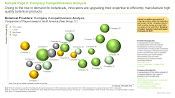
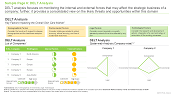
Key market players that are engaged in the botanicals market are (in alphabetical order) AmbePhytoextracts, Berje, DSM, Indesso, Lipoid Kosmetic, Prakruti Sources, Rutland Biodynamics, The Green Labs, The Herbarie at Stoney Hill Farm and Umalaxmi Organics. This market report includes an easily searchable excel database of all the companies supplying botanical ingredients worldwide.
| Aspects | Details | |
| by Sources |
|
|
| by Application |
|
|
| Key Geographical Regions |
|
|
| Key Market Players |
|
|
There has been recent activity in the botanicals industry and some of the key developments have been mentioned below: