
Lowest Price Guaranteed
Pages
262
Last Updated
May 2025
View Count
19527
The global hearing aids market size is estimated to be worth USD 20.66 billion in 2024 and is expected to reach USD 41.62 billion by 2035 at a CAGR of 6.58% during the forecast period.
Hearing aids are medical machines, widely used by patients who suffer from hearing loss issues due to sensorineural or conductive hearing loss conditions. In sensorineural hearing loss conditions, the inner ear gets damaged which causes sudden deafness. In adults, it can occur by aging and continuous exposure to loud sound. Treatment options such as hearing aids, cochlear implants, assertive listening devices, and medical interventions vary based on the severity of the hearing loss. Hearing aids devices are the most common treatment. The device works by sending the sound wave to the brain and making the sound audible to patients. Additionally, the hearing aids industry is supporting the growth in other associated markets, such as medical device coatings, and medical device contract manufacturing.
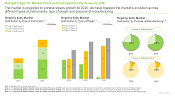
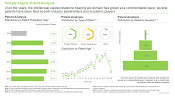
Based on the type of instruments, the global hearing aids market is bifurcated into hearing devices / instruments, hearing implants, and. audiological care. Based on the type of device, in terms of market revenue, the audiological care segment holds 58% of the hearing aids market share in 2024. While hearing devices/instruments capture 33% share in 2024. The key factor behind the growth of this segment is attributed to the rising incidence of hearing loss conditions majorly in the elderly population globally. The prevailing sensorineural or conductive hearing issue among people is expected to enhance the growth of hearing implants with a significant CAGR during this forecast period.
 |
 |
 |
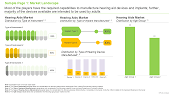
On the basis of the type of player in the value chain, the hearing aids market is fragmented into component suppliers, manufacturers, and retailers/audiologists. In terms of revenue, retailers/audiologists account for 69% of the total market share in 2024, and are anticipated to be a dominant market segment during the forecast period. Whereas, the manufacturer segment holds 26% of the market share and drives the segment growth with the growing production of advanced hearing instruments.
Based on the purpose of manufacturing, the market is segmented into sensorineural hearing loss and conductive hearing loss. The sensorineural hearing loss segment occupies most of the market share and is projected to lead the market during the forecast period. The growing aging population and the surge in sensorineural hearing loss cases is likely to support the growth of this segment during this forecast period.
On the basis of type of product manufactured, the market for hearing aids is categorized into Behind-the-Ear (BTE), In-the-Ear (ITE), Receiver-in the Canal (RIC), Completely in the Canal, and Other Invisible in the Canal. Based on the type of product manufactured, behind-the-ear (BTE) is projected to be a leading segment over the forecast period. Due to being traditional or common hearing aids, BTE hearing aids are anticipated to continue to gain the highest demand in the future as well. In-the-Ear (ITE) and Receiver-in the Canal (RIC) are expected to gain substantial growth in the upcoming years. Apart from hearing devices, cochlear implants are also gaining traction while the growing demand for OTC hearing devices is likely to play a crucial role in boosting the hearing aids device market value.
Based on the target age group, the global hearing aids market is split into child, adult, and old age group. According to our projection, the old age group market segment captures 45% of the hearing aids market share in 2024 and is anticipated to dominate the market over the forecast period. This dominance can be attributed to the growing prevalence of hearing loss conditions among the geriatric population, which falls under the age 70-80 years category. However, children or the pediatric segment are expected to record considerable growth in the future.
 |
 |
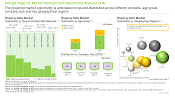 |
Based on the company size, the global hearing aids market value is segmented into small, mid-sized, large, and very large companies. Presently, in terms of market revenue, the market is led by very large and large players. The dominance of large and very large companies in the hearing aids market can be attributed to their strong brand recognition, extensive distribution channels, and robust product portfolio. By leveraging technological advancements, these market leaders offer innovative products with better sound quality. To maintain market dominance, these companies keep investing in research and development activities to enhance their product portfolio.
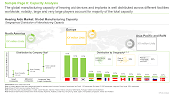
This segment highlights the distribution of the market across North America, Europe, Asia-Pacific, Latin America, Middle East and North Africa. According to market research, North America has been a prominent region with 40% of the hearing aids market share in 2024 and is projected to be the leading region over this projection period. The region’s robust healthcare sector and infrastructure, the prevalence of hearing loss conditions among the aging population, and the presence of major key players in North America are attributed to the region’s leading position.
Additionally, Asia Pacific is one of the fastest-growing regions, holding 15% of the market share in 2024, and is projected to drive market growth with a substantial CAGR in the coming years. The factor behind the growth of the region can be ascribed to the rising aging population, increasing incidence of hearing loss conditions, and rising adoption of advanced technology.
 |
 |
 |
The “Hearing Aids Market: Industry Trends and Global Forecasts, till 2035 - Distribution by Type of product (Hearing Devices and Hearing Implants), Purpose of Manufacturing (Sensorineural Hearing Loss and Conductive Hearing Loss), Type of Product Manufactured ( Behind-the-Ear (BTE), In-the-Ear (ITE), Receiver-in the Canal (RIC), Completely in the Canal, other Invisible in the Canal, Cochlear Implants, Bone-Anchored Implants), Target Population (Adults and Child), Company Size (Small, Mid-Sized, Large and Very Large), and Key Geographical Regions (North America, Europe and Asia Pacific, Latin America, Middle East and North Africa) market report features an extensive study of the current market landscape, market size, market forecast and future opportunities for the companies involved in the hearing aids market. The market report highlights the efforts of several hearing device and hearing implant manufacturers engaged in this rapidly emerging segment of the pharmaceutical industry. Key takeaways of the market report are briefly discussed below.
The market for hearing aids was adversely impacted by the COVID-19 pandemic. Due to implemented lockdown limitations on industrial processes, the pandemic slowed down the growth rate of the market with lower manufacturing production which caused supply chain disruptions across the globe. In addition, the closure of industries, private medical settings, and distribution networks reduced the market demand. In addition, delays in non-critical surgical procedures halted product sales during the peak of the pandemic. However, post-pandemic, the market started to regain revenue and is expected to recover during the forecast period 2024-2035.
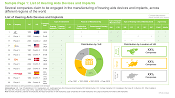
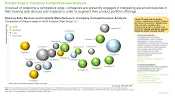
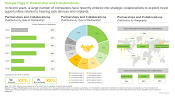
Various prominent manufacturers have been leading the market for hearing aids for years. New entrants are amplifying the competition and making it a highly competitive market. Thus, the companies strive to boost their product portfolio by investing in R&D, developing new technologies, and introducing a new range of hearing aid devices with advanced digital technology, featuring Wi-Fi and Bluetooth connectivity. For instance, in Jan 2024, RCA Accessories announced that soon they would launch three new hearing aid devices with innovative features such as lifetime battery, noise reduction, and voice control. The top five companies occupy the majority of the market share. For instance, in terms of market revenue, the leading retailer Aplifon SpA holds 12% of the market share while Sonova holds 7% of the share in 2024.
The growing adoption of artificial intelligence is the latest trend in the global hearing aids market. The market is highly competitive with numerous companies focusing on enhancing their research and development programs to offer innovative devices with digital connectivity and smart features. Following the latest trend, leading manufacturers emphasize the adoption of advanced technology, the integration of artificial intelligence (AI), and machine learning in manufacturing hearing devices. These integrated technologies aid companies in designing digital hearing aids and bluetooth hearing aids with advanced features, for instance, invisible or seamless design, connectivity, remote control, geotagging for personalized settings, health measurements, and others. Such technological advancements are anticipated to generate lucrative opportunities for market players during the forecast period.
There has been an inflating demand for Over-the-Counter / OTC hearing aids; major companies have launched several innovative OTC hearing aid devices to boost their product sales. OTCs are affordable devices for moderate hearing loss patients and no-purchase prescription quality for OTC, making it a popular choice. Year 2022 was a game-changer with the US FDA allowing hearing aids to be sold over the counter, making the market more accessible as patients save the costs of audiologist visits. Common household brand such as Sony and Sennheiser were amongst the first entrants in this market. In June 2023, Sennheiser launched two OTC hearing aids in the US, named All-Day Slim and All-Day Clear. However, OTC hearing aids are a new concept, with a specific target population (18+ with mild to moderate hearing loss), and is likely to take a few years to generate awareness.
The growing demand for invisible hearing aid devices is one of the latest trends in the hearing aids market. In recent years, the popularity of invisible hearing aid devices has been growing exponentially. The trend of invisible hearing aids involves the development of smaller, more discreet hearing aids that are virtually invisible when worn. Invisible hearing aids are designed to fit deep within the ear canal, making them discreet and cosmetically appealing compared to traditional behind-the-ear (BTE) or in-the-ear (ITE) styles. This trend has been driven by consumer demand for hearing solutions that are both effective and inconspicuous.
Manufacturers are leveraging advancements in miniaturization and custom-fit technology to create invisible hearing aids that provide high-quality sound amplification while remaining virtually undetectable to others. These devices typically offer features such as digital signal processing, noise reduction, and wireless connectivity, allowing users to enjoy improved hearing without compromising aesthetics or comfort. The trend towards invisible hearing aids reflects a growing emphasis on user discretion and lifestyle integration in the design of hearing solutions.
The global market for hearing aids (including hearing devices and hearing implants) is estimated to be worth USD 20.66 billion in 2024 and is expected to reach 41.62 billion by 2035. With a further increase in the adoption of hearing aids, the market growth is expected to increase at a CAGR of ~6.58% over the forecast period. It is worth highlighting that, in terms of type of product, audiological care is expected to occupy the largest share of the hearing aids market during the forecast period. This spike in market growth is anticipated to be fueled by the rising number of hearing loss incidences particularly among the aging population worldwide. Also, an increase in diagnosis of hearing loss is likely to elevate the sale of the hearing device in the coming years.
As per market research, North America region stimulates the market for hearing aids with strong customer demand. Significantly, the United States and Canada contribute to boosting the market growth in the region. In the US alone, according to the National Institute on Deafness and Other Communication Disorders, approximately 28.8 million American adults stand to benefit from a hearing aid. Factors, such as the existence of key players and increased awareness of hearing loss treatment are anticipated to drive market growth. Additionally, in 2022 FDA approved OTC hearing aids for people with mild to moderate hearing loss. Besides this, well-established commercial industries, distribution channels, and extensive adoption of advanced technology are also likely to augment the hearing aids market growth in the region.
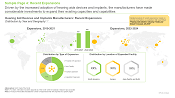
Additionally, the Asia Pacific region is estimated to foster the market with outstanding CAGR over this forecast period. The increasing aging population, expansion of the major companies in the region, and fastest-growing economy of developing countries like China and India, are anticipated to drive the growth of the market in the region during this projection timeframe. In February 2024, Starkey launched Genesis AI hearing aids in India. Its state-of-the -art- solution is engineered to fulfill growing demand for hearing aids in India.
Examples of key companies engaged in hearing aids industry (which have also been profiled in this market report; the complete list of companies is available in the full report) include Demant A/S (Denmark), Starkey Laboratories (U.S.), Cochlear (Australia), RION (Japan), Microson (Spain), GN Store Nord A/S (Denmark), and Sonova Group (Switzerland) This market report includes an easily searchable excel database of all the companies developing hearing aids.
The market research report presents an in-depth analysis of the various companies that are engaged in the global market of hearing aids, across different segments, as defined in the table below:
| Key Report Attribute | Details | |
| Historical Trend | 2018-2022 | |
| Base Year | 2023 | |
| Forecast Period | 2024-2035 | |
| Market Size by 2035 | USD 41.62 Billion | |
| CAGR | 6.58% | |
| Type of Instrument |
|
|
| Type of Player |
|
|
| Purpose of Manufacturing |
|
|
| Type of Product Manufactured |
|
|
| Type of Age Group |
|
|
| Type of Distribution Channel |
|
|
| Company Size |
|
|
| Key Geographical Regions |
|
|
| Key Companies Profiled |
|
|
| PowerPoint Presentation (Complimentary) |
Available | |
| Customization Scope | 15% Free Customization | |
| Excel Data Packs (Complimentary) |
|
|
One of the key objectives of this market report was to estimate the current market size, opportunity and future growth potential of the hearing aids market, over the forecast period. Based on multiple parameters, likely adoption trends and through primary validations, we have provided an informed estimate on the market evolution during the forecast period 2024-2035.
The market report also features the likely distribution of the current and forecasted opportunity within the hearing aids market across various segments, such as type of instrument (hearing devices, hearing implants and audiological care), type of player (component supplier, manufacturer, retailer/audiologist), purpose of manufacturing (sensorineural hearing loss and conductive hearing loss), type of product manufactured ((behind-the-ear (BTE), in-the-ear (ITE), receiver-in the canal (RIC), completely in the canal, and other invisible in the canal)), target population (adult and child), type of distribution channels (audiology and ENT clinics pharmacies, online sales, retail stores, and others), company size (small, mid-sized, large and very large) and key geographical regions (North America, Europe and Asia Pacific, Latin America, Middle East and North Africa).
In the past few years, the market for hearing aids has been blooming. Several ongoing innovations and developments are projected to boost market potential. These developments, even if they took place post the release of our market report, substantiate the overall trends that have been outlined in our hearing aids market analysis.