Regulatory Affairs Management for Medical Devices Market
Regulatory Affairs Management for Medical Devices Market: Industry Trends and Global Forecasts, Till 2030
-
Lowest Price Guaranteed
-
Pages
551 -
Last Updated
July 2026 -
View Count
16682 -
Research Methodology
Overview
Our market forecasting methodology follows a holistic approach (for both top-down and bottom-up techniques), combining statistical models, in-depth market research, demand analysis, and expert insights to deliver accurate predictions of future trends and outcomes. Market size estimation is derived through a mix of secondary and primary research. To ensure accuracy and reliability, all findings are rigorously validated through data triangulation, aligning insights from multiple sources to strengthen the credibility and precision of the overall market and segment-level forecasts.
- Conduct comprehensive industry analysis to assess TAM using validated secondary sources
- Segment market by region or application to determine relevant sub-industry scope / in order to calculate the serviceable addressable market
- Calculate serviceable obtainable market by applying penetration rates or adoption assumptions
- Assess the historical information on growth patterns / CAGR for realistic market opportunity sizing
- Calculate actual market using segmentation and penetration data, and projected its growth during the forecast period
- Validate final estimates via scenario-based analysis and expert opinions gathered through extensive primary and secondary research
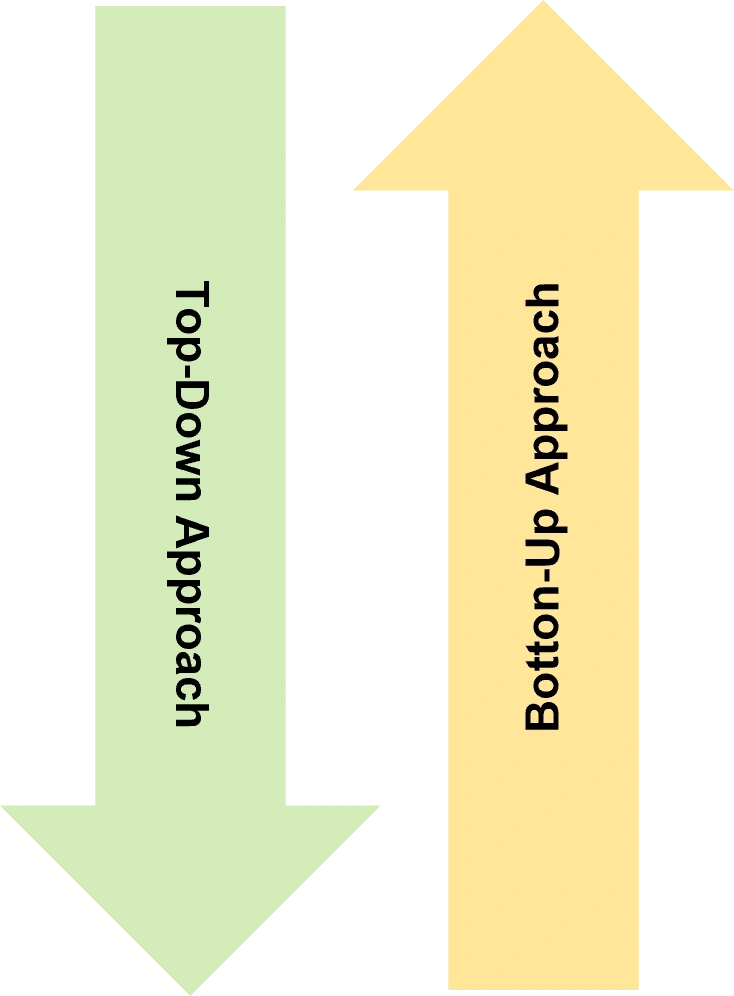
- Identify the key component, such as products / drugs / technologies across the sector that are to be forecasted, using market databases
- Estimate the average units / volumes per component by collecting primary and secondary data by leveraging information on historical industry activity
- Assess the historical information on prices, adoption and penetration data, and growth patterns / CAGR for realistic market opportunity sizing
- Calculate total market size by multiplying volumetric estimates with average costs / prices per component, and projected its growth during the forecast period
- Validate final estimates via scenario-based analysis and expert opinions gathered through extensive primary and secondary research
Data Collection: Source and Methods
Secondary Research
In this research process, various secondary sources are referred to identify and collect information regarding the study. The secondary sources include annual reports, press releases, investor presentations, forums, certified publications, whitepapers, government, and regulatory bodies (like FDA, WHO, WTO, EPA). The secondary research is mainly used to identify reliable publicly available information sources, studying various market trends, key drivers / restraints to generate insightful conclusions, and robust data validation.
Primary Research
In the primary research process, we follow a structured approach to ensure comprehensive stakeholder engagement and actionable insights. We conduct detailed research to identify relevant stakeholders (both demand and supply side) and setup multi-channel interviews, utilizing emails, LinkedIn, direct calls, and other channels to schedule the interviews. We then conduct in-depth interviews, preparing detailed transcripts, and tabulate responses for further analysis. The primary sources included various industry experts, including Chief Executive Officers (CEOs), Vice Presidents (VPs), marketing directors, technology and innovation directors, and related key executives from various key companies and organizations operating in the respective market.

Market Sizing and Analysis
Our market reports provide comprehensive market sizing and analysis, methodologically advancing from Total Addressable Market (TAM) to Serviceable Addressable Market (SAM) and Capturable Addressable Market (CAM). We integrate key growth drivers, including supply-demand dynamics, new market entrants, economic conditions, technological advancements, and capital requirements for deep insights into expansion factors. Our structured TAM, SAM, and CAM framework delivers thorough, actionable market reports to empower strategic decision-making and market potential growth.
Market Assessment Framework: From Total Potential to Achievable Share
.webp)
Total Addressable Market (TAM)
Represents the total potential revenue opportunity if a company captures 100% market share for its product or service.
Serviceable Addressable Market (SAM)
The portion of TAM that a company can reach, considering its geographic limits, products, regulations, and market constraints.
Serviceable Obtainable Market (SOM)
The realistic segment of SAM that a company can capture based on its market presence, competitive position, and capabilities.
Currently Acquired Market (CAM)
The current market share held by a company, used to benchmark performance and guide strategies for growth & expansion.
Example Factors Influencing Market Growth Potential

Competitive Landscape
Assessing key market players, competitor strategies and market positioning.

Technological Advancements
Evaluating impact of new technologies on market evolution and disruption.

Economic Indicators
Assessing influence of metrics, such as GDP, trade dynamics, inflation, and consumer spending.

Market Demand & Supply
Analyzing forces and external factors driving customer needs and product supply.

Market Entry Barriers
Understanding obstacles for new entrants, such as regulations and capital and technical requirements.

Historical Trends & Growth Rates
Considering historical growth rate patterns, product sale revenues and adoption trends.
Regulatory Affairs Management for Medical Devices Market Size Estimation Methodology
Our forecast methodology integrates a rigorous hybrid approach combining top-down market sizing with detailed bottom-up validation. This proven method delivers precise market size estimates, reliable growth rates, and credible CAGR projections that stakeholders can trust for strategic decision-making in pharma and biotech outsourcing. The methodology features extensive primary research through in-depth stakeholder interviews with executives from contract service organizations (CMO/CDMO/CRO), biopharma sponsors, biotechnology firms, and key opinion leaders. These insights are complemented by comprehensive secondary analysis of FDA and EMA regulatory filings, clinical trial pipeline data, historical revenue trends, annual reports, competitive intelligence, and industry benchmarks. Moreover, advanced data triangulation across multiple independent sources validates key trends, including biopharma outsourcing dynamics, rising demand for complex biologics, technology adoption in manufacturing and development, capacity utilization patterns, and evolving service requirements. Sensitivity analysis and scenario modeling further enhance forecast robustness against regulatory changes, technological breakthroughs, and market disruptions. This industry-validated approach ensures high-confidence, actionable insights. It positions expert service partners at the forefront of biopharmaceutical market intelligence, empowering informed investment, capacity planning, and competitive strategies in the rapidly evolving pharma and biotech outsourcing landscape.
Data Validation and Quality Assurance
We deliver verified industry forecasts with 100% accuracy in all market size, CAGR, and growth projections through rigorous market forecast validation processes. We cross-verify data from 100+ trusted sources for precise market size accuracy in our fact-checked market research reports, provide exclusive inputs from 500+ industry experts, ensuring CAGR validation and reliable projections which are backed by 200+ years of sector expertise for benchmarked, future-proof verified industry forecasts.
Market Mapping
via
Secondary Research
Covers credible, high-quality data sources:
- Paid Databases: Bloomberg, Factiva, Dun&Bradstreet (D&B) Hoovers, Thomson Reuters Eikon and Other Prominent Databases
- Literature Search: Annual Reports, Company Websites, Financial Filings, Investor Presentations, White Papers etc
Primary Research
through
Stakeholder Interviews
Includes extensive primary research via:
- KOL Interviews: In-depth conversations with CXOs, Founders, Director, VPs and other Senior Management stakeholders
- Surveys / Polls: Widens reach and reveals insights into unmet needs, customer preferences and emerging market opportunities
Strategic Interpretation
with
Rootsight
Generates a holistic ecosystem view:
- Influencing Factors Analysis
- Competitive Landscape & Key Players
- Drivers and Restraints Mapping
- Opportunities and Challenges Assessment
- Regional & Segment Level Insights
- Historical Market Benchmarking
- Analyst Interpretation & Forecast Refinement
Data Triangulation
and
Validation
Sense-checks and finalization of output / recommendations:
- Multi-angle Forecast
- Scenario Planning / Testing
- Segment-specific Models
- Econometric Models
- Extensive validation via multiple approaches (listed below)
Insight Delivery
& Strategic
Recommendations
Comprehensive set of deliverables:
- Market Size Estimates
- Informed Future Growth Projections
- Actionable Insights Tailored by Region, Segment, and Timeline
- Model Walkthrough via Workshops
- Audio podcasts
- 12-month unrestricted support
- Complimentary upgrade to the next edition
Customization Options
At Roots Analysis, we pride ourselves on offering tailored market research solutions that adapt to your unique business needs. Our extensive customization options ensure that you receive insights that are not only relevant but also actionable. Upon purchase, clients can ask for 10% customization on a variety of modules.
01
Competitive
Intelligence
- Landscape Analysis
- Product / Portfolio Evaluation
- Relative Competitive Assessment
- Company Profiles
02
Strategy and Growth
Assessment
- Value Creation Framework
- Business Model Assessment
- Blue Ocean Strategy
- Go-no-go Framework
03
Market Potential
Assessment
- Opportunity Analysis
- Multivariate Sensitivity Analysis
- Time Series Analysis
- Region / Country wise Analysis
04
Product
Intelligence
- Brand Positioning Analysis
- Product Launch Strategy
- Lifecycle Management
- Success Protocol Analysis
05
Supplier Identification /
Assessment
- Supplier Landscape Analysis
- Peer Benchmarking
- Vendor Selection Framework
- Risk Assessment
06
Opinion Based
Assessment
- Video / Telephonic Interviews
- Online Surveys
- Focused Group Discussions
- Customer Feedback Analysis
07
Trends
Assessment
- Partnerships and Collaborations
- Patent Analysis
- Capability Expansion Analysis
- Clinical Trial Analysis
08
Merger & Acquisition and
Deal Trends
- M&A Evolution
- Financial Analysis
- Start-up Valuation
- Deal Multiple Analysis
09
Cost
Models
- Total Cost of Ownership
- CAPEX and OPEX Analysis
- Make-vs-Buy Framework
- NPV and IRR Analysis
10
Financial and
Investment Analysis
- Assessment of Funding Models
- Funding Life Cycle Analysis
- Due Diligence
- Exits / Profitability Assessment
11
Medtech
Intelligence
- Demand Forecasting
- Licensing Deal Assessment
- Competitive Benchmarking
- Value Chain Analysis
12
IP
Intelligence
- Pockets of Innovation
- White Space Analysis
- CPC Analysis
- Patent Valuation