Oncology Precision Medicine Market by Type of Cancer (Blood Cancer, Lung Cancer, Breast Cancer, Colorectal Cancer, Prostate Cancer, Skin Cancer, Renal Cancer, Cervical and Gastric Cancer, Ovarian Cancer, Pancreatic Cancer, Head and Neck Cancer, Liver Cancer, Brain Tumors, Bladder Cancer and Other Cancers), Type of Molecule (Biologics and Small Molecules), Route of Administration (Intravenous and Oral) and Geographical Regions (North America, Europe, Asia-Pacific, Middle East and North Africa, and Latin America)- Trends and Forecast 2026-2035
Oncology Precision Medicine Market Outlook: USD 382 Billion by 2035, Growing at 9.87% CAGR
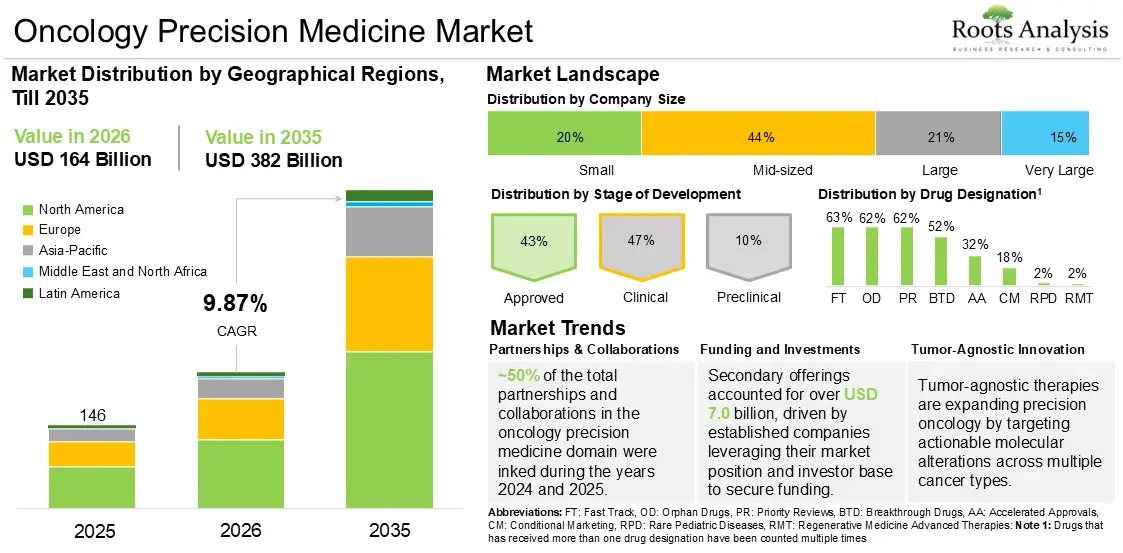
The global oncology precision medicine market, valued at USD 146 billion in 2025, is projected to reach USD 164 billion in 2026 and USD 382 billion by 2035, representing a CAGR of 9.87% during the forecast period 2026 to 2035. This growth is supported by the expanding use of biomarker-driven therapies, broader access to genomic profiling, increasing use of companion diagnostics and the development of targeted treatments for molecularly defined cancer populations.
See What's in the Full Report – Request Your Complimentary Insights!
Market Report: Key Takeaways
Market Size & Trends
- Blood cancer holds the highest share of the current oncology precision medicine market by cancer type.
- Biologics dominate the overall market by molecule type, accounting for the majority of the current market.
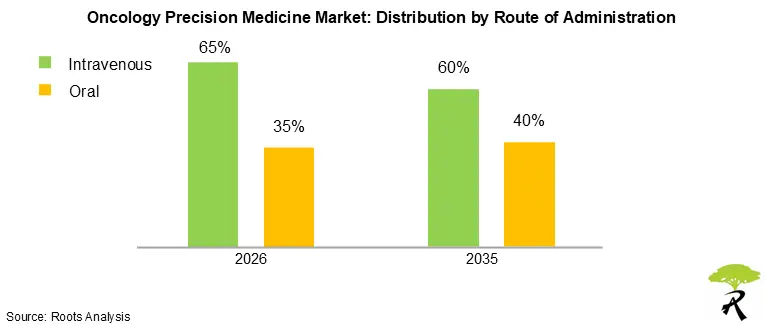
- Intravenous administration accounts for the largest share (more than 60%) of the market by route of administration.
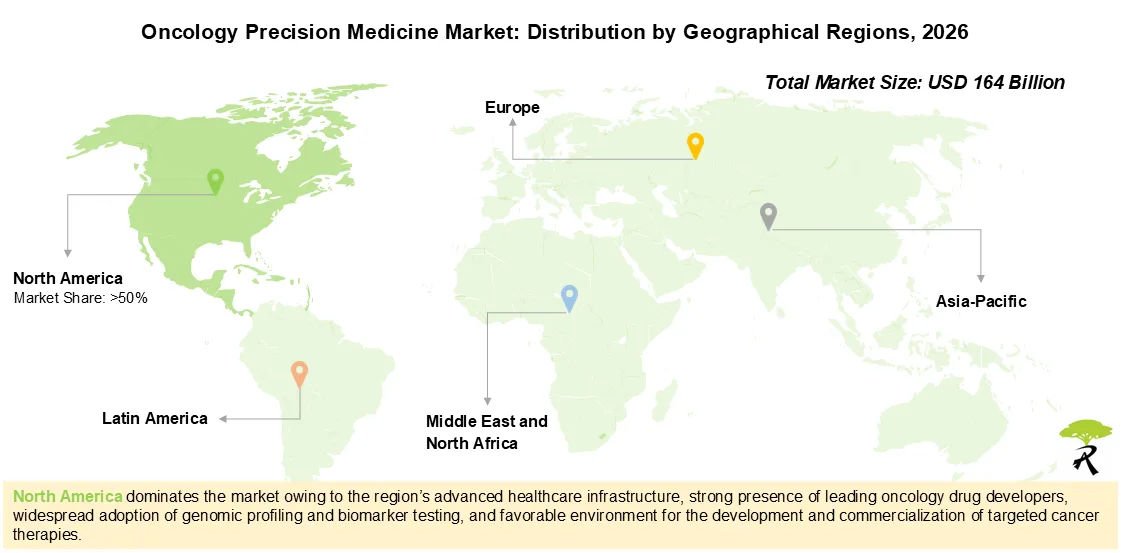
- North America holds the largest regional market share (more than 50%), a trend expected to continue over the forecast period.
Key Market Statistics
- Market Size in 2026: $164 Billion
- Estimated Market Size in 2035: $382 Billion
- CAGR (2026-2035): 9.87%
- North America: Largest market in 2026
Scope, Methodology and Industry Experts Interviews
This report defines oncology precision medicine as a biomarker-driven therapeutic market and focuses on approved and Phase III treatments selected using tumor-specific molecular or protein characteristics. The analysis covers small molecules and biologics across major cancer types and routes of administration. Genomic profiling, companion diagnostics and related medical tests are evaluated for their impact on treatment selection and market adoption but are excluded from therapeutic revenue unless otherwise specified.
The findings were developed through a structured methodology combining secondary research, proprietary databases, company disclosures, regulatory information, clinical trial registries, academic and industry publications, and primary research with industry participants. Findings were triangulated across market sizing, therapy pipelines, biomarker strategies, regulatory events, commercialization, partnerships, funding activity and regional adoption before finalization
The report includes detailed transcripts of interviews conducted with the following industry participants:
- Chief Scientific Officer and Founder, Small-sized pharmaceutical company, US
- Vice President, Mid-sized pharmaceutical company, US
Dave Fredrickson (EVP, Oncology Business Unit, AstraZeneca), stated that, "The future of cancer treatment is likely to involve combinations tailored to the specific driver of an individual patient's cancer. Targeted approaches such as antibody-drug conjugates and PARP inhibitors can be combined with immune-based strategies. These may include cell therapy, T-cell engagers, and other immunotherapies.
Such approaches can expand the precision oncology medicines market by creating opportunities for more targeted treatment combinations. They may also support treatment across different molecularly defined patient populations and potentially improve the depth and durability of treatment response.
In addition, the market report includes transcripts of the following third-party discussions:
- EVP, Oncology Business Unit, Large-sized pharmaceutical company, UK
- Vice President, Global Commercial Precision Medicine, Large Size Company, US and Head of Scientific Affairs, Global Oncology Diagnostics, Large-sized pharmaceutical company, UK
- Professor, Academic Medical Institution, Switzerland
- Director of Translational Medicine, Large-size Pharma Company, US and Senior Director and Head of Translational Biomarker Group, Biopharmaceutical Company, Switzerland
- Associate Professor of Biomedical Data Science, Large-sized educational / Academic institution, US
- Head of Clinical Oncology and Patient Safety, Mid-sized Healthcare Technology Company, US
- President & CEO, Small-sized Oncology Technology / Biotechnology Company, US
- CEO, Small-sized Cancer Therapeutics Company, US
- Chair and CEO, Small-sized Precision Oncology Company, US
- CEO, Mid-sized Precision Oncology Company, US
What are Oncology Precision Medicines?
Oncology precision medicine is a biomarker-driven approach to cancer treatment in which therapy selection is guided by molecular characteristics of a patient's tumor, such as pathogenic variants, gene fusions, gene amplifications, protein expression and other clinically validated biomarkers. This approach can identify treatment opportunities across conventional tumor types when cancers share the same actionable molecular alteration, while also helping physicians avoid therapies that are unlikely to benefit a biomarker-negative patient.
The market covered in this report focuses on approved and Phase III precision oncology therapeutics, including small molecules and biologics. These include monoclonal antibodies, antibody-drug conjugates and other targeted modalities when treatment eligibility is linked to a defined molecular or protein biomarker. Tissue testing, liquid-biopsy approaches, DNA sequencing and companion diagnostics support patient selection, but they are treated as enabling components of the precision-oncology ecosystem rather than as therapeutic revenue.
What is Driving Oncology Precision Medicines Market Growth?
- Growing Adoption of Biomarker-Driven Treatment and Genomic Profiling: The increasing use of biomarker testing and genomic profiling is supporting the adoption of precision oncology by enabling the identification of molecular alterations that can guide treatment selection. The NCI notes that biomarker testing can help identify patients whose tumors contain alterations targeted by specific therapies, while the FDA highlights the routine use of molecular testing in several cancers to support treatment selection. Advances in next-generation sequencing (NGS) and other genomic profiling technologies are further expanding the ability to identify mutations, gene fusions and other clinically relevant alterations, supporting more individualized treatment strategies.
- Increasing Global Cancer Burden and Need for Individualized Treatment: The growing global burden of cancer is expected to increase the demand for advanced and individualized treatment approaches. The International Agency for Research on Cancer (IARC) estimates that 20.6 million new cancer cases occurred worldwide in 2024 and projects that annual cases will reach 34.4 million by 2050, a 67% increase. As more people develop cancer, the number of patients whose tumors carry biomarkers that guide treatment selection may also rise, supporting demand for precision oncology therapies.
Oncology Precision Medicine Market: Key Insights
How Are Genomic Testing and Companion Diagnostics Shaping Precision Oncology?
Companion diagnostics are becoming central to the precision-oncology treatment pathway because they link a validated biomarker to the safe and effective use of a corresponding therapy. In practice, these tests can include in vitro diagnostic assays and, in some settings, imaging tools. NGS panels, PCR-based assays, immunohistochemistry and liquid-biopsy approaches can be used to detect actionable alterations in tissue or blood samples. The growth of these technologies is increasing collaboration between pharmaceutical companies, molecular-diagnostic developers, pathology laboratories and hospitals, while also making analytical validation and regulatory compliance more important.
What Role Are AI, Data Integration and Real-World Evidence Playing?
Artificial intelligence and machine learning are increasingly being used to integrate genomics, digital pathology, medical imaging and longitudinal clinical data, support biomarker discovery, prioritize patients for clinical trials and identify patterns associated with response or resistance. Predictive analytics can strengthen research and decision support, but clinical deployment depends on validated algorithms, representative datasets, data integration, privacy controls and appropriate human oversight. Real-world data from routine care can complement clinical-trial evidence by helping stakeholders evaluate utilization, outcomes and treatment pathways after launch.
How Do Market Access and Reimbursement Affect Commercialization?
Commercial success increasingly depends on more than regulatory approval. Precision therapies often require access to molecular testing, specialist physicians and laboratory infrastructure before a patient can be identified as eligible. Market-access teams therefore need evidence that connects biomarker testing, treatment selection, clinical outcomes and healthcare resource use, while reimbursement policies for both the therapy and associated diagnostic workflow can influence uptake across health systems.
Recent Developments in the Oncology Precision Medicine Market
- In September 2026, FDA expanded the companion-diagnostic indication for the Oncomine Dx Express Test to identify patients with non-small cell lung cancer whose tumors have qualifying HER2 (ERBB2) tyrosine kinase domain alterations: single-nucleotide variants in exons 18–21 or exon 20 insertions and who may benefit from treatment with sevabertinib (Hyrnuo).
- In July 2026, AstraZeneca entered an exclusive global license agreement with Dizal Pharmaceutical for Zegfrovy (sunvozertinib), an oral EGFR inhibitor for EGFR exon 20 insertion-mutated non-small cell lung cancer, expanding AstraZeneca's precision-oncology portfolio.
- In May 2026, the FDA approved Signatera CDx to detect ctDNA molecular residual disease after cystectomy in adults with muscle-invasive bladder cancer and to guide selection for adjuvant Tecentriq or Tecentriq Hybreza.
Oncology Precision Medicine Market Trends
- Partnerships and Collaborations: Strategic partnerships support precision oncology by providing access to therapeutic assets, biomarker technologies, and complementary development capabilities. During July 2025 to August 2026, drug licensing agreements accounted for nearly 30% of the overall partnership activities, followed by clinical trial agreements (~20%) and technology utilization agreements (15%). Cross-regional collaborations represented 15% of partnerships, with North America and Asia-Pacific emerging as key regions.
- Funding Activity: Funding continues to support precision-oncology therapeutics and enabling technologies. During July 2025 to August 2026, nearly 40 funding instances were identified, primarily involving secondary offerings and private placements. Q2 FY 2026 accounted for approximately 30% of funding activity, while large industry players contributed more than 50% of the total funding amount. North America led in funding instances, while Europe-based companies also contributed to the financing landscape.
Get an Instant Quote in 10 Minutes. Lowest Price Guaranteed
How Is the Oncology Precision Medicine Market Segmented?
The oncology precision medicine market is segmented by type of cancer, type of molecule, route of administration, and geography.
- By Type of Cancer: Blood Cancer, Lung Cancer, Breast Cancer, Colorectal Cancer, Prostate Cancer, Skin Cancer, Renal Cancer, Cervical and Gastric Cancer, Ovarian Cancer, Pancreatic Cancer, Head and Neck Cancer, Liver Cancer, Brain Tumors, Bladder Cancer and Other Cancers
- By Type of Molecule: Biologics and Small Molecules
- By Route of Administration: Intravenous and Oral
- By Geography: North America, Europe, Asia-Pacific, Middle East and North Africa and Latin America
Pay Only for What You Need – The Best Way to Optimize
Market Segmentation Analysis
Which Type of Molecule Holds the Largest Share of the Oncology Precision Medicine Market?
Biologics currently account for the largest share of the oncology precision medicine market, supported by the extensive use of monoclonal antibodies, antibody-drug conjugates and other biomarker-selected biologic therapies. Small molecules are likely to grow at a higher CAGR during the forecast period owing to their ability to target intracellular pathways and are often available as oral therapies, supporting convenient administration across multiple molecularly defined cancer indications.
Which Cancer Type Holds the Largest Share of the Oncology Precision Medicine Market?
Blood cancer currently accounts for the largest share of the oncology precision medicine industry, supported by extensive molecular characterization of hematologic malignancies and the availability of therapies directed at defined genetic and molecular alterations. Breast cancer is expected to grow at a comparatively faster CAGR during the forecast period, supported by established molecular classification and the availability of therapies for HER2-positive, hormone receptor-positive and other biomarker-defined subtypes.
Which Route of Administration Holds the Largest Share in the Oncology Precision Medicine Industry?
Intravenously administered oncology precision medicines account for the largest share of the market and are projected to represent approximately 65% by 2035, reflecting the established use of injectable biologics, including monoclonal antibodies and antibody-drug conjugates. Oral precision medicines are expected to expand as targeted small-molecule therapies become available across additional biomarkers and cancer indications, offering greater convenience for eligible patients than hospital-based intravenous administration.
Regional Analysis: Oncology Precision Medicine Market
Why Does North America Lead the Oncology Precision Medicine Market?
North America is projected to account for more than 50% of the oncology precision medicine market in 2026, supported by a strong base of oncology drug developers, advanced molecular-diagnostic and laboratory infrastructure, established precision-oncology programs, high clinical-trial activity and a favorable environment for development and commercialization of targeted therapies. The region also benefits from broad access to genomic testing and substantial investment in oncology research.
Your Business is Unique – Why Shouldn't Your Report Be?
Who Are the Key Players in the Oncology Precision Medicine Market?
Examples of key companies profiled in this market report include AbbVie, Anticancer Bioscience, Astellas Pharma, AstraZeneca, Bayer, Blueprint Medicines, Bristol Myers Squibb, Eli Lilly, Erasca, Genentech, GSK, Hutchmed, IDEAYA Biosciences, Jiangsu Hengrui Pharmaceuticals, Johnson & Johnson Innovative Medicine, Merck, Novartis, Pfizer, Repare Therapeutics, Roche, Seagen, SpringWorks Therapeutics, Takeda Pharmaceutical, VERAXA Biotech and VRise Therapeutics. The complete list of approximately 180 companies is available in the full report, together with a searchable Excel database of companies active across the oncology precision medicine ecosystem. Company mentions reflect independent research and benchmarking and do not imply an endorsement or commercial relationship with Roots Analysis.
Report Deliverables and Customization
Alongside the core market report, clients receive complimentary Excel data packs covering the oncology precision medicine market landscape, company competitiveness analysis, clinical trial analysis, partnerships and collaborations, funding and investments and market forecast and opportunity analysis. A complimentary PowerPoint presentation summarizing the full report is also included, and 15% free customization scope is available on request.
The report is designed to support oncology R&D and clinical-development teams, translational medicine and biomarker teams, business-development and licensing professionals, regulatory and market-access functions, diagnostic and laboratory stakeholders, investors and competitive-intelligence teams as they assess therapy pipelines, biomarker strategies, partnership opportunities, commercialization risk and regional growth.
Report Authorship
This report was authored by Pemba Lahmo, part of Roots Analysis' healthcare and pharmaceutical research practice, with a focus on the oncology precision medicine market, including targeted therapies, biomarker-driven treatment approaches, technological advancements, competitive landscape, and adoption across pharmaceutical and biotechnology companies. All findings are based on proprietary databases of Roots Analysis, executive interviews, and regulatory analysis, and were subject to internal peer review prior to publication.
Independence and Non-Affiliation
Roots Analysis is an independent market research and consulting firm. This report is not affiliated with, sponsored by, endorsed by or produced on behalf of any pharmaceutical company, biotechnology company, diagnostic developer, healthcare provider, regulatory authority or individual named or profiled in the study. Company, product and biomarker references are included solely for factual market analysis and benchmarking.
Market estimates and segment shares are developed through a combination of proprietary analysis, public-source research and primary expert discussions and may differ from other published studies because market definitions and revenue boundaries vary. This report does not constitute medical advice and should not be used to make individual diagnostic or treatment decisions.


