report-pricing-dollar

PFAS Testing Market

PFAS Testing Market: Industry Trends and Global Forecasts, Till 2040: Distribution by Type of Sample Tested (Water, Soil, Food and Beverages, Blood / Serum / Plasma and Air), Type of Testing Service Offered, Type of PFAS Analyte Tested, Method / Testing Standard, Type of Technology, End-user (Pharmaceutical Companies, Environmental Scientists, Research Institutes, Government Agencies, Testing Laboratories and Other End Users), Geographical Regions and Leading Players

  • Lowest Price Guaranteed

  • Pages
    269

  • Last Updated
    July 2026

  • View Count
    15626

Global PFAS Testing Market Size

The global PFAS testing market is estimated to grow from USD 249.1 million in 2025 to reach USD 279.1 million in 2026 and USD 1,209.5 million by 2040, representing a CAGR of 11% during the forecast period 2026 to 2040.

PFAS Testing Market Distribution by Geographical Regions

To learn more about this report, request a free sample copy

Per- and polyfluoroalkyl substances (PFAS), also known as forever chemicals, are a group of synthetically designed chemical compounds comprising of fluorine atoms attached to an alkyl chain.  These PFAS compounds are highly durable, resistant to chemicals and possess considerable strength. As a result of this, these compounds are used in various industries, including automotive, agriculture, construction, electronics, medical and textiles.
PFAS Testing Market List PFAS Testing Market Distribution by Type of Offering PFAS Testing Market Partnerships and Collaborations

PFAS compounds were discovered in the late 1930s and the advancement in this domain was observed in the 1950s in the form of various consumer products. However, the need for PFAS testing emerged in 2000s driven by the rising awareness of harmful effects associated with these compounds.  It is important to note that the prevalence of chronic diseases, such as PCOD (Polycystic Ovarian Disease), elevated cholesterol levels, thyroid, and cancers has significantly increased as a result of volatile PFAS compounds, therefore, raising serious concerns.
PFAS Testing Market Recent Developments PFAS Testing Market Growth Drivers and Restraints PFAS Testing Market Overall Market Evolution

According to the recent report published by USEPA (US Environmental Protection Agency), the accumulation of PFAS in drinking water is a major contributor of more than 6,800 cancer patients each year.  This alarming trend underscores the urgent need for effective PFAS strategies for screening and detecting PFAS levels in various sample matrices. Presently, due to health concerns and stringent regulatory guidelines from agencies, such as USEPA and ISO have spurred the testing of these compounds in order to protect the environment and human health.
PFAS Testing Market Distribution by Type of Technology PFAS Testing Market Geographical Regions PFAS Testing Market Penetration-Growth P-G Matrix

PFAS Testing Market: Report Attributes

Key Report Attributes Details
Historical Trend Since 2022
Forecast Period Till 2040
Market Size 2026 $ 279.1 Million
Market Size 2040 $ 1,209.5 Million
CAGR (Till 2040) 11%

The PFAS testing market analysis also features the likely distribution of the current and forecasted opportunity within the domain across various segments, such as type of sample tested (water testing, soil testing, food and beverages testing, blood / serum / plasma testing and air testing), type of testing service offered (quantification, screening and extraction), type of PFAS analyte tested (perfluorooctanoic acid, perfluorooctane sulfonic acid, perfluorohexane sulfonic acid, perfluorononanoic acid and other analytes), method / testing standard (EPA / USEPA compliant solutions, ISO compliant solutions, ASTM compliant solutions, DIN compliant solutions and other methods / testing standards), type of technology (LC-MS, GC-MS, ELISA, NMR and other technologies), end-user (pharmaceutical companies, environmental scientists, research institutes, government agencies, PFAS laboratories and other end-users), geographical regions (North America, Europe, Asia-Pacific, Middle East and North Africa, and Latin America) and leading players.

We have created three market forecast scenarios, conservative, base and optimistic, to account for future uncertainties in key parameters and enhance the robustness of our model. These scenarios represent different tracks of the industry's evolution.

Rising public awareness, stringent regulatory guidelines and advancements in analytical methods have spurred the need for PFAS testing. Further, growing geriatric population, increased focus on wastewater treatment and water management and increasing research and media coverage have significantly driven the PFAS testing industry.

Recent Developments in PFAS Testing Market

Several recent developments in the field of PFAS testing have occurred, and we outline some of these below. These developments, even if they arose after our market report’s release, support the overall PFAS testing market trends detailed in our analysis.

  • In February 2025, TUV Rheinland announced the expansion of its PFAS testing capabilities by upgrading the testing services for PFAS analytes in plastics, at its facility located in Bentonville, Arkansas.
  • In January 2025, SGS acquired RTI Laboratories with the aim to expand their PFAS lab testing capabilities in North American region.
  • In January 2025, Relentless Health organized a donation campaign in order to provide free PFAS kits to the firefighters of North Carolina and further protect them from serious health effects of PFAS compounds.

PFAS Testing Market Segmentation Insights

The market research report presents an in-depth analysis of the various PFAS testing companies, across different segments, as defined in the table below:

PFAS Testing Market: Market Segmentations

Market Segmentations Details
Type of Sample Tested
  • Water
  • Soil
  • Food and Beverages
  • Blood / Serum / Plasma
  • Air
  • Other Samples Tested
Type of Testing Service Offered
  • Quantification
  • Screening
  • Extraction
Type of PFAS Analyte Tested
  • Perfluorooctanoic Acid
  • Perfluorooctane Sulfonic Acid
  • Perfluorohexane Sulfonate
  • Perfluorononanoic Acid
  • Other Analytes
Method / Testing Standard
  • EPA / USEPA Compliant Solutions
  • ISO Compliant Solutions
  • ASTM Compliant Solutions
  • DIN Compliant Solutions
  • Other Method / Testing Standard Compliant Solutions
Type of Technology
  • LC-MS (Liquid Chromatography-Mass Spectrometry)
  • GC-MS (Gas Chromatography-Mass Spectrometry)
  • ELISA (Enzyme-Linked Immunosorbent Assay)
  • NMR (Nuclear Magnetic Resonance)
  • Other Technologies
End-user
  • Pharmaceutical Companies
  • Environmental Scientists
  • Research Institutes
  • Government Agencies
  • Testing Laboratories
  • Other End-users
Geographical Regions
  • North America
  • Europe
  • Asia-Pacific
  • Middle East and North Africa
  • Latin America
Market in North America
  • US
  • Canada
Market in Europe
  • Germany
  • France
  • Spain
  • Italy
  • UK
Market in Asia-Pacific
  • China
  • Japan
  • South Korea
  • India
  • Australia
Market in Middle East and North Africa
  • Saudi Arabia
  • Qatar
  • UAE
Market in Latin America
  • Brazil
  • Argentina

As the awareness about the bioaccumulation of PFAS compounds increases, the demand and need for testing services is likely to get increased. Additionally, the growing concern for environmental health among consumers underscores the need for effective PFAS testing, as it becomes crucial in navigating regulatory compliances and addressing public health needs.

PFAS Testing Market Share Insights

Market Share by Type of Sample Tested: Water Testing Holds the Largest Share

  • This segment highlights the distribution of market for PFAS testing across different types of samples tested, such as water, soil, food and beverages, blood / serum / plasma, air and other samples. According to our projections, in 2026 water testing is likely to capture the majority (~40%) of the PFAS testing sector, and this trend is unlikely to change in the future.
  • This is due to the rising focus towards water treatment projects and water management. Also, various regulatory bodies have adopted strict guidelines for checking the emergent contaminants in drinking water.

Market Share by Type of Testing Service Offered: Quantification Holds the Largest Share

  • This segment highlights the distribution of market for PFAS testing across various testing services, such as quantification, screening and extraction. According to our PFAS testing market report, in 2026 quantification is likely to capture the majority (~40%) of the market, and this trend is unlikely to change in the future.
  • This is because quantification helps in precise measurement of PFAS levels that can be achieved through various techniques, such as mass spectrometry which plays a major role in detecting and monitoring PFAS contamination in various matrices, including water and soil.

Market Share by Type of PFAS Analyte Tested

  • This segment highlights the distribution of market for PFAS testing across different PFAS analytes tested, such as perfluorooctanoic acid, perfluorooctane sulfonic acid, perfluorohexane sulfonic acid, perfluorononanoic acid and other analytes. According to our projections, in 2026 perfluorooctanoic acid is likely to capture the majority of the PFAS testing market share (~35%), and this trend is unlikely to change in the future.
  • This is due to the widespread usage of these compounds in consumer products and industrial applications.

Market Share by Method / Testing Standard

  • This segment highlights the distribution of market for PFAS testing across different methods / testing standards, such as EPA / USEPA compliant solutions, ISO compliant solutions, ASTM compliant solutions, DIN compliant solutions and other method / testing standard compliant solutions. According to our PFAS testing market analysis, in 2025 EPA / USEPA compliant solutions segment is likely to capture the majority (37%) of the sector, and this trend is unlikely to change in the future.
  • This is due to the fact that EPA methods in PFAS testing is propelled by regulatory guidelines, funding support, technological advancements, and rising awareness of PFAS contamination.

Market Share by Type of Technology

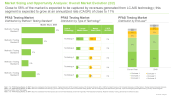
  • This segment highlights the distribution of market for PFAS testing across different types of technology, such as LC-MS, GC-MS, ELISA, NMR and other technologies. According to our projections, in 2026 LC-MS market segment is likely to capture the PFAS testing market size (with 55% share), and this trend is unlikely to change in the future.
  • Further, these technologies have the capability to separate PFAS compounds based on their chemical properties, ensuring rapid and accurate detection limit of PFAS analytes in different sample matrices.  
  • The GC-MS segment will grow at a significantly higher CAGR (~12%) throughout the forecast period. This is due to the effectiveness of GC-MS for detecting and quantifying volatile and semi-volatile PFAS compounds, which are challenging to analyze with other methods.

Market Share by End-user: Industrial / Biopharma Sector Holds the Largest Share

  • This segment highlights the distribution of market for PFAS testing across different end-users, such as pharmaceutical companies, environmental scientists, research institutes, government agencies, testing laboratories and other end-users. According to our PFAS testing market trends, in 2026, pharmaceutical companies are likely to capture the majority (40%) of the sector, and this trend is unlikely to change in the future.
  • This is because PFAS compounds are used at various stages of pharmaceutical manufacturing, due to which their testing is crucial to check their contamination in various end-products. This helps in maintaining strict regulatory compliance.

Market Share by Geographical Regions: Asia-Pacific to Propel in the PFAS Testing Market in the Coming Years

  • This segment highlights the distribution of market for PFAS testing across various geographies, such as North America, Europe, Asia-Pacific Middle East and North Africa, and Latin America. According to our projections, North America is likely to capture the majority (40%) of the PFAS testing market share in 2026. It is important to note that the government agencies have undertaken several initiatives in order to mandate the testing of these compounds, notably the Biden-Harris Administration has implemented significant steps to address the PFAS contamination in North America.  
  • It is worth highlighting that the market in Asia-Pacific is likely to grow at a higher CAGR (~12%), during the forecast period.

PFAS Testing Market: Report Deliverables

Report Deliverables Details
Excel Data Packs
(Complimentary)
  • Market Landscape
  • Company Competitiveness Analysis
  • Partnership and Collaborations
  • Recent Developments
  • Market Forecast and Opportunity Analysis
Key PFAS Testing Companies Profiled
  • Agilent
  • Danaher
  • Envirolab Services
  • Biotage
  • FREDsense
  • GL Sciences
  • LCTech
  • Macherey-Nagel
  • Merck
  • MPL Laboratories
  • PerkinElmer
  • Sartorius
  • Symbio Laboratories
  • Shimadzu
  • Waters Corporation
(Full list of 130+ companies captured is available in the report)
PowerPoint Presentation
(Complimentary)
Available
Customization Scope 15% Free Customization

PFAS Testing Market Major Takeaways

The “PFAS Testing Market: Industry Trends and Global Forecasts, till 2040” market report features an extensive study of the current market landscape, company competitiveness analysis, partnership and collaboration analysis, recent developments and market size and future opportunities within the PFAS testing industry, during the forecast period.

Competitive Landscape of PFAS Testing Providers

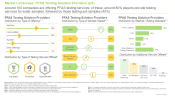
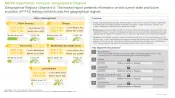
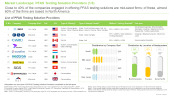
The current market landscape features more than 130 PFAS testing providers including very large, large, mid-sized and small companies. These solution providers have the required expertise to provide PFAS testing solutions, across different key geographical regions.

It is worth highlighting that majority (~40%) of PFAS testing solution providers are offering water sample testing solutions, followed by soil testing (22%). In addition, majority of the PFAS testing solution providers offer testing solutions for industrial / biopharma sectors, followed by around 30% catering to the need of environmental scientists. Further, it is worth highlighting that many companies have been established in the recent past that are engaged in this domain; notable examples include Aprisium (2021), Maine Laboratories (2022), My Water Quality (2021) and Enve Analytical (2020).

Market Size Analysis: What is the Opportunity for PFAS Testing Domain?

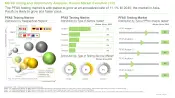
The global PFAS testing market size is likely to be worth $ 279.1 million in 2026 and will reach $ 1,209.5 million by 2040. In terms of the type of sample tested, the water testing segment holds the largest share of the PFAS testing market due to the fact that PFAS analytes are considered as emerging contaminants in drinking water. This trend is likely to remain the same during the forecast period.

The increased public awareness for PFAS testing and its requirement, advancements in technology and strict regulatory compliance are the primary drivers of this market. Further, the rising interest in health consciousness coupled with increased focus towards water management is likely to significantly drive the growth of this market.

Regional Analysis of the PFAS Testing Market: Which Region Holds the Largest Share of the PFAS Testing Market?

North America is Leading the Market

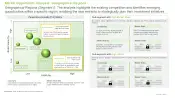
North American companies will likely dominate the global PFAS testing domain in 2040, among that the majority (close to 90%) of PFAS testing companies are headquartered in the US. This is due to the rising adoption of these solutions and the ongoing innovation in PFAS testing domain across this region.

Asia-Pacific: An Emerging Growth Spot

The market in Asia-Pacific is likely to grow at a relatively higher CAGR (12%), during the forecast period till 2040. This is due to several factors, including rising urbanization and increased demand for PFAS testing.

What are the Key Drivers of PFAS Testing Market?

Rising public awareness is driving the adoption of PFAS testing services. It is important to highlight that various environmental organizations are actively undertaking several initiatives to spread guidelines and knowledge about PFAS contamination in water, soil, and air, as well as their harmful impact on human health.  

Moreover, the rising technological advancements in the PFAS testing industry have made PFAS testing solutions more efficient. Other key drivers include the growing geriatric population and the increasing research and media coverage.

Key Market Trends in PFAS Testing Market

Rising Partnerships and Collaborations Amongst the Solution Providers to Foster Progress and Innovation in Expanding their Capabilities

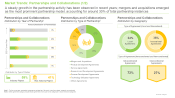
PFAS testing solution providers have forged several partnerships with other stakeholders in order to enhance their solution portfolio. It is worth highlighting that in the last five years, companies based in North America, Europe and Asia-Pacific have inked several partnerships to strengthen their PFAS testing capabilities.

Notably, majority of the deals signed in this domain are instances of mergers and acquisitions and product development agreements. This is most likely due to the persistent efforts of PFAS solution providers to further advance their solution offerings to meet the requirements of their clients. Notably, in December 2024, Relentless Health entered into a service agreement with United Diagnostic Services to provide PFAS testing kits, with an aim of protecting and improving the health of firefighters.

Recent Developments to expand their Geographical Presence

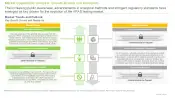
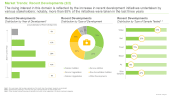
PFAS testing solution providers are actively undertaking several development initiatives in PFAS testing domain, by adding solutions to the existing portfolio (30%), followed by expanding their PFAS testing service offerings (23%). These recent initiatives indicate that the PFAS testing solution providers are upgrading their capabilities and infrastructure to meet the current and anticipated demands.

PFAS testing solution providers are actively developing new solutions in the PFAS testing domain, primarily by adding products to their existing portfolios and expanding their service offerings. Notably, majority (43%) of these recent developments were undertaken in 2024.

PFAS Testing Market Report Coverage

The market report presents an in-depth analysis, highlighting the capabilities of various stakeholders in the PFAS testing domain, across different geographies. Amongst other elements, the market report includes:

  • An Infographic Executive Summary
  • Market Landscape of PFAS Testing Solution Providers
  • Company Competitiveness Analysis
  • Company Profiles
  • Partnerships and Collaborations
  • Recent Developments
  • Market Forecast Analysis

From the Author’s Desk

Author’s View on PFAS Testing Market

Some of the potential market drivers that are propelling growth in this domain include the rising awareness of the potential risks associated with the exposure of PFAS compounds and innovations in testing methodologies and emerging technologies in PFAS detection. It is worth highlighting that the governments are recognizing the potential of PFAS testing and are providing funding support for ensuring PFAS-free product manufacturing. Therefore, with the ongoing technological advancements in this domain, we anticipate a steady growth in the PFAS testing market, till 2040.

Glossary

  • PFAS: Per- and polyfluoroalkyl substances (PFAS) are a group of synthetically designed compounds comprising of fluorine atoms attached to an alkyl chain.
  • Volatile PFAS: Those PFAS compounds that exist in the vapor phase and are often analyzed using GC-MS technology.
  • Detection Limit: The lowest concentration of a PFAS compound which can be easily distinguished from the absence of that compound.
  • Bioaccumulation: The accumulation of PFAS compounds in an organism over time, often leading to higher concentration than in the surrounding environment.

Frequently Asked Questions

What is PFAS testing?

PFAS testing refers to the analytical process used for extraction, screening and quantification of PFAS compounds in different sample matrices.

How big is the PFAS testing market?

The current PFAS testing market size is anticipated to be worth $ 279.1 million and is expected to reach USD 1,209.5 million by 2040.

What is the CAGR of PFAS testing market?

The global market for PFAS testing is expected to grow at a CAGR of 11% till 2040.

What companies test for PFAS?

Notable players involved in PFAS testing include Agilent, Danaher, FREDsense, PerkinElmer, Waters Corporation, Biotage, LCTech, Macherey-Nagel, Merck, Sartorius, Envirolab Services, GL Sciences, MPL Laboratories, Symbio Laboratories and Shimadzu.

Why is PFAS testing so challenging?

There are various challenges pertaining to PFAS testing, such as risk of self- contamination, complexity in analytical testing and stringent regulatory standards.

How much does a PFAS test cost?

Cost of PFAS testing varies based on type of sample being tested, for instance, PFAS water testing ranges from $300 to $600, however, PFAS blood testing labs incur price between $400 to $600.