Currently, there seems to be a mixed adoption trend between bone cement based arthroplasty and cement-less hip / knee implants. However, I believe bone cement based arthroplasty surgeries are likely to decrease in the near future owing to the increasing popularity of cement
-less surgeries
-- Associate Professor, a Sweden-based University
Bone Cement Delivery System Market Size
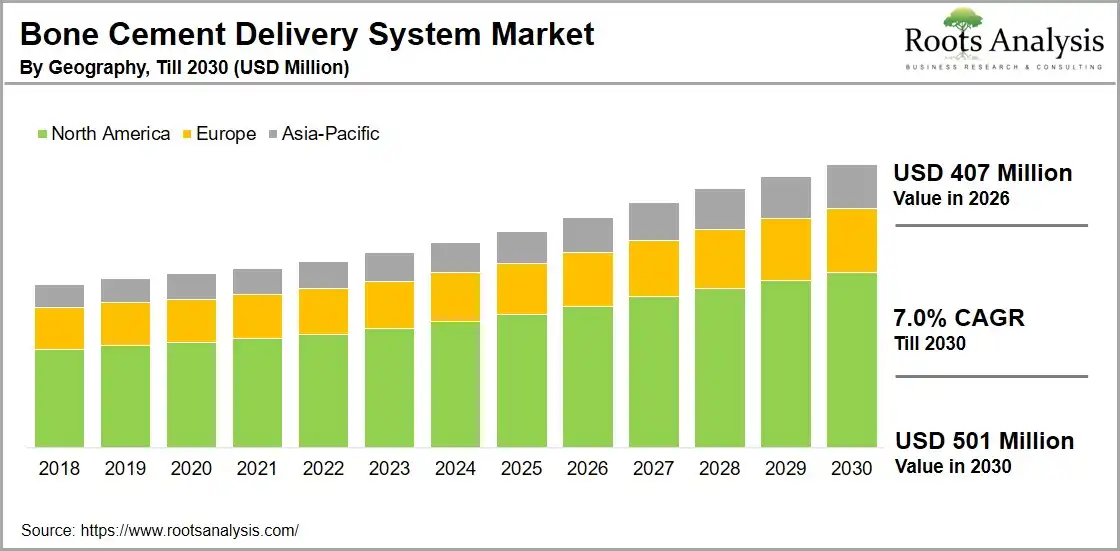
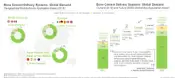
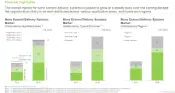
The bone cement delivery system market, valued at USD 383 million in 2025, is projected to reach USD 407 million in 2026 and USD 501 billion by 2030, with a 7.0% CAGR during the forecast period 2026 to 2030. According to a study conducted by the International Osteoporosis Foundation (IOF), more than 200 million individuals around the world suffer from osteoporosis. In fact, a total of 8.9 million fractures per year are attributed to osteoporosis, implying that an osteoporotic fracture (of the hip, knee, spine, shoulder, or wrist) occurs after every three seconds.
To learn more about this report, request a free sample copy
The annual socioeconomic burden associated with this condition is estimated to be around USD 19 billion and EUR 37 billion, in the US and Europe, respectively. Further estimates suggest that, by 2030, nearly 3.5 million knee replacements and 572,000 hip replacements are likely to be performed every year in the US alone. A recent United Nations’ study projected the global elderly population (aged 60 years and above) to rise to 1.3 billion by 2030; given the susceptibility of this population segment to developing osteoporosis, the global burden related to this particular disease is anticipated to increase significantly in the foreseen future.
Over time, bone cement delivery systems have become widely popular in diverse types of orthopedic surgeries / procedures. There are many benefits of using such devices, including ease-of-use, targeted and controlled delivery of bone cements, integrated safety mechanisms, and an almost negligible risk of injury to patients. Companies involved in the development / manufacturing of bone cement delivery systems have also captured the interest of several stakeholders / bone cement developers that are looking for novel ways to deliver various types of bone cements to target sites during surgical procedures. In fact, since 2010, over 6,000 patents have been published in bone cement delivery system market, indicating the rapid pace at which research is being carried out. It is anticipated that such efforts are likely to boost the overall market growth during the forecast period.
Key Companies in Bone Cement Delivery System Market
Examples of key companies engaged in bone cement delivery system market (which have also been profiled in this market report; the complete list of companies is available in the full report) include DePuy Synthes, Medtronic, Merit Medical Systems, Smith & Nephew, Stryker, Zimmer Biomet, Biopsybell, IMEDICOM, IZI Medical Products, Spirit Spine and Synimed. This market report includes an easily searchable excel database of all the companies providing bone cement delivery systems, worldwide.
Recent Developments in Bone Cementing Delivery System Market
- In May 2026, CGBIO entered into clinical development and commercialization agreement with DePuy Synthes for its NOVOSIS bone graft substitute portfolio across the US, Canada, and Australia. The collaboration includes FDA IDE and PMA pathways, expanding market access and strengthening positioning in orthopedic biomaterials often used alongside bone cement delivery technologies.
- In April 2026, UK orthopedic bodies reported ongoing disruption in Heraeus Medical bone cement supply. NHS Supply Chain secured alternative cement brands and implemented allocation measures to maintain continuity of care, highlighting vulnerabilities in cement availability critical for joint replacement procedures and associated delivery systems.
- In February 2026, Biocomposites announced the accelerated UK launch of its SYNICEM bone cement portfolio to address an NHS supply crisis.
Scope of the Bone Cement Delivery System Market Report
The "Bone Cement Delivery System Market: Industry Trends and Global Forecasts, Till 2030" market report features an extensive study of the current market landscape, market size, market share, market growth, market trends, market value, market forecast, market outlook, statistics and future opportunities of the bone cement delivery system market. The market research report features an in-depth analysis, highlighting the capabilities of various stakeholders engaged in bone cement delivery system market, across different global regions.
Amongst other elements, the market research report includes:
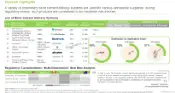
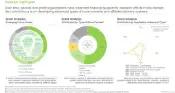
- A detailed assessment of the current landscape of bone cement delivery systems market, highlighting the contributions of industry players engaged in bone cement delivery system market, along with key system specifications. It features information on the type of surgical procedures (arthroplasty, kyphoplasty and vertebroplasty), compatibility with different types of bone cements (polymethyl methacrylate, calcium phosphate and others), viscosity of bone cements delivered (high, medium and low), system functionality (delivery and mixing), approval date of various products, and maximum capacity.
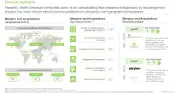
- An elaborate discussion on the various guidelines established by major regulatory bodies for medical device approval, including bone cement delivery systems, across different countries. It also includes an insightful multi-dimensional heat map analysis, featuring a review of the contemporary regulatory scenario in key geographies across the globe.
- Elaborate profiles of large companies offering bone cement delivery systems (shortlisted on the basis of the number of systems), featuring an overview of the company, its financial information (if available), detailed descriptions of their bone cement delivery systems, and a comprehensive future outlook. In addition, the chapter features tabulated profiles of small-sized and mid-sized bone cement delivery system providers (shortlisted on the basis of number of systems), featuring details on company headquarters, year of establishment, number of employees, executive team, recent developments, along with detailed descriptions of their proprietary bone cement delivery systems.
- A detailed analysis of the various mergers and acquisitions that have taken place in bone cement delivery system market, highlighting the trend in the number of companies acquired since 2014, based on parameters, such as year of acquisition, type of acquisition, geographical location of the acquirer and the acquired company, key value drivers, and financial details of the deal (if available). The analysis also features an ownership change matrix, providing insights on the involvement of private and public sector entities in bone cement delivery system market. In addition, the chapter evaluates the deal multiples of acquisitions specifically focused on bone cement delivery systems, analyzing them based on a number of parameters, namely annual revenues, number of employees and the experience of the acquired company. Moreover, it presents a schematic world map representation of the geographical distribution of this activity, highlighting inter- and intracontinental deals.
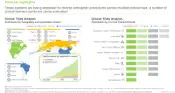
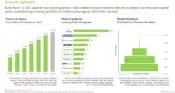
- An in-depth analysis of the various patents that have been filed / granted related to bone cement delivery systems since 1976. The analysis also highlights the key parameters associated with the patents, including information on patent type (granted patents, patent applications and others), publication year, CPC classification, emerging focus areas (in terms of number of patents filed / granted), type of surgical procedures (arthroplasty, kyphoplasty and vertebroplasty), industry type and leading industry / non-industry players (in terms of size of intellectual property portfolio). It also features a valuation analysis taking into consideration older patents, which have expired, highlighting the upcoming opportunity for generic product developers and manufacturers in bone cement delivery system market.
- A comprehensive clinical trial analysis of completed, ongoing and planned studies of different types of bone cements and associated delivery systems for various surgical procedures. For the purpose of this analysis, we considered the clinical studies that started in 1997, and analyzed them on the basis of various parameters, such as trial registration year, current trial status, current trial phase, study design, type of surgical procedure, study focus, leading industry and non-industry players, regional distribution, and enrolled patient population across different geographies. In addition, it features an insightful clinical end-points analysis of ongoing and planned studies.
- A detailed study on the various grants that have been awarded to research institutes conducting projects related to different types of bone cements, between since 2010. The analysis highlights various important parameters associated with grants, such as year of award, support period, amount awarded, type of surgical procedures, grant type, responsible study section, focus area and type of bone cements.
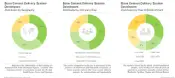
- An analysis to estimate the likely demand for bone cement delivery systems across key surgical procedures, including kyphoplasty, vertebroplasty, hip arthroplasty and knee arthroplasty, in different global regions for the forecast period, till 2030.
The key objective of bone cement delivery system market report is to provide a detailed market analysis in order to estimate the existing market size, market share, market growth, market trends, market value, market forecast, market outlook, statistics and future opportunity for bone cement delivery system market during the forecast period. Based on several parameters, such as prices of systems, surgical procedure / region specific adoption trends, and competitive landscape, we have provided an informed estimate on the likely evolution of the market, over the forecast period, till 2030. The market report provides sales forecasts for the overall bone cement delivery systems market with the current and upcoming opportunity segmented across [A] surgical procedure(s) (hip arthroplasty, knee arthroplasty, kyphoplasty and vertebroplasty), [B] type of end-user(s) (ambulatory surgery centers, hospitals and specialty clinics), and [C] key geographies (North America (the US, Canada and Mexico), Europe (EU5 countries), Asia-Pacific and Rest of the World (Australia, China, India, and Japan)). In order to account for future uncertainties and to add robustness to our model, we have provided three market forecast scenarios, namely conservative, base and optimistic scenarios, representing different tracks of the industry’s growth.
The opinions and insights presented in this market research report were also influenced by discussions conducted with multiple stakeholders in bone cement delivery system market. The market report features detailed transcripts of interviews held with the following individuals (in alphabetical order of organization names):
- Associate Professor, Department of Orthopedics, Lund University
- International Product Manager, Medacta International
- Associate Professor, University of Lisbon
All actual figures have been sourced and analyzed from publicly available information forums and primary research discussions. Financial figures mentioned in this market research report are in USD, unless otherwise specified.
Frequently Asked Questions
What is bone cement?
Bone cement (also known as polymethyl methacrylate) is an adhesive material commonly used in trauma and orthopedic surgeries.How big is the bone cement delivery system market?
The bone cement delivery system market size is estimated to be worth $501 million by 2030.What is the projected market growth of the bone cement delivery system market?
The bone cement delivery system market growth is expected to grow at compounded annual growth rate (CAGR) of over 7.0% during the forecast period.Who are the leading companies in the bone cement delivery system market?
Examples of key companies engaged in bone cement delivery system market (which have also been profiled in this market report; the complete list of companies is available in the full report) include DePuy Synthes, Medtronic, Merit Medical Systems, Smith & Nephew, Stryker, Zimmer Biomet, Biopsybell, IMEDICOM, IZI Medical Products, Spirit Spine and Synimed.How many patents related to the bone cement delivery system have been filed till date?
Till date, over 13,000 patents related to the bone cement delivery system have been filed / granted, indicating the heightened pace of innovation in the industry.How many delivery systems are presently being offered by players engaged in the bone cement delivery system market?
Presently, more than 70 delivery systems are being offered by players engaged in the bone cement delivery system market, for various types of orthopedic procedures.Which region emerged as the hub for companies engaged in the bone cement delivery system market?
Europe emerged as the hub for players engaged in the bone cement delivery system market, with close to 45% of companies established in the region.