Companion Diagnostics (CDx) Development Market Overview
The companion diagnostics (CDx) development market, valued at USD 892 million in 2025, is projected to reach USD 779 million in 2026 and USD 1,796 million by 2035, with a 9.7% CAGR during the forecast period 2026 to 2035.
To learn more about this report, request a free sample copy
The new research study consists of industry trends, detailed market analysis, market landscape of companion diagnostic products, company competitiveness analysis, partnerships and collaborations analysis, likely partner analysis, stakeholder needs analysis, value chain analysis, big pharma perspective, case study on precision medicine software solutions, market impact analysis, and market forecast and opportunity analysis. The growth in the opportunity for companion diagnostics (CDx) development industry over the next decade is likely to be the result of the anticipated rise in the demand for personalized treatment. Companion diagnostic refers to an in vitro diagnostics (IVD) test that offers crucial information for the secure and efficient use of a corresponding medication or biological product.
Over the years, these tests have become increasingly important as it serve multiple functions, such as identifying individuals most likely to profit from a specific therapeutic product, detecting those at elevated risk for severe side effects caused by treatment and tracking treatment responses to optimize safety and effectiveness. Prenatal Testing and Newborn Screening applies genetic and biochemical assays to identify inherited or congenital conditions before or shortly after birth. The introduction of companion diagnostics has revolutionized healthcare practices and led to a paradigm shift from the conventional, one-drug-for-all treatment to patient-centric personalized treatment. Additionally, the USFDA has provided guidelines to streamline the co-development of CDx and therapeutic products, aiming to expedite access to innovative treatments for patients suffering from serious and life-threatening illnesses. It is worth highlighting that CDx-guided drug development can lead to a reduction in clinical trial costs by nearly 60%.
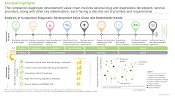
Tap or click on the images for smart insights on Companion Diagnostics (CDx) Development Market
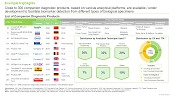
Till date, close to 170 companion diagnostics have been approved by the USFDA; recent approvals include FoundationOne CDx for TRUQAP in combination with FASLODEX (November 2023), Abbott RealTime IDH1 for Tibsovo (October 2023), CRCDx RAS Mutation Detection Assay Kit for Vectibix (September 2023), LeukoStrat CDx FLT3 Mutation Assay for VANFLYTA (July 2023), AAV5 DetectCDx for ROCTAVIAN (June 2023), FoundationOne Liquid CDx for Exkivity (May 2023) and Guardant360 CDx for Orserdu (January 2023). Some of the approved companion diagnostics are liquid biopsy tests, that allow the patients to avoid the invasive biopsy procedures.
The stringent regulatory guidelines for drug approval, resulting in rising demand for companion diagnostics has prompted the drug developers to either expand their capabilities or outsource the companion diagnostics (cdx) development to contract service providers. In fact, several pharmaceutical companies are actively collaborating with service providers that offer end-to-end CDx development services. Further, given the various benefits and rising interest of stakeholders in this field, the companion diagnostics (cdx) development market value is poised to grow significantly in the foreseen future.
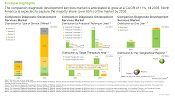
Tap or click on the images for smart insights on Companion Diagnostics (CDx) Development Market
Companion Diagnostics (CDx) Development Market Share Insights
The market report presents an in-depth analysis of the various service providers that are involved in the companion diagnostics development, across different segments, as defined in the table below:
Companion Diagnostics (CDx) Development Market: Report Attributes / Market Segmentations
| Key Report Attributes |
Details |
| Historical Trend |
Since 2019 |
| Base Year |
2025 |
| Forecast Period |
Till 2035 |
| Current Market Size |
USD 779 Million |
| Market Size in 2035 |
USD 1,796 Million |
| Growth Rate |
~9.7% |
| Type of Service Offered |
- Feasibility Studies
- Assay Development
- Analytical Validation
- Clinical Validation
- Manufacturing
|
| Analytical Technique Used |
- NGS
- PCR
- IHC
- Flow Cytometry
- Other Analytical Techniques
|
| Target Therapeutic Area |
- Oncological Disorders
- Non-oncological Disorders
|
| End User |
- Industry Players
- Non- Industry Players
|
| Key Geographical Region |
- North America
- Europe
- Asia-Pacific
|
| Leading Market Players |
- Almac Diagnostics
- BGI Genomics
- Eurofins
- Geneuity Clinical Research Services
- Labcorp
- MEDICAL & BIOLOGICAL LABORATORIES
- Q2 Solutions
- QIAGEN
- Quest Diagnostics
- ResearchDx
|
PowerPoint Presentation
(Complimentary) |
Available |
| Customization Scope |
15% Free Customization |
Excel Data Packs
(Complimentary) |
- Market Landscape Analysis (Service Providers)
- Market Landscape Analysis (Companion Diagnostic Products)
- Company Competitiveness Analysis
- Partnership and Collaborations Analysis
- Likely Partner Analysis
- Big Pharma Initiatives
- Market Size and Opportunity Analysis
|
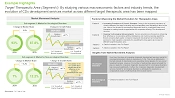
Tap or click on the images for smart insights on Companion Diagnostics (CDx) Development Market
One of the key objectives of this market report was to estimate the current market size, opportunity and the future market growth potential of the service providers in the companion diagnostics (CDx) development market, over the forecast period. Based on multiple parameters, likely adoption trends and through primary validations, we have provided an informed estimate on the market evolution till 2035.
The market report also features the likely distribution of the current and forecasted opportunity for service providers in the global market across various segments, such as type of services offered (feasibility studies, assay development, analytical validation, clinical validation and manufacturing), analytical techniques used (NGS, PCR, IHC, flow cytometry and others), target therapeutic area (oncological disorders and non-oncological disorders), end user (industry players and non-industry players) and key geographical regions (North America, Europe and Asia-Pacific). In order to account for future uncertainties associated with some of the key parameters and to add robustness to our model, we have provided three companion diagnostics (CDx) development market forecast scenarios, namely conservative, base, and optimistic scenarios, representing different tracks of the industry’s evolution.
The opinions and insights presented in the market report were influenced by discussions held with stakeholders in the industry. The report features detailed transcripts of interviews held with the following industry stakeholders:
- Founder, Small Company, India
- Manager (Sales and Marketing) and Manager (Companion Diagnostic Services), Mid-sized company, Japan
- Chief Executive Officer, Chief Scientific Officer and Vice President of Marketing, Small Company, US
- Chief Executive Officer, Small Company, Spain
- President and Chief Technology Officer, Small Company, US
- Former Senior Vice President, Small Company, US
- Former Chief Scientific Officer, Large Company, US
Further, all actual figures have been sourced and analyzed from publicly available information forums and primary research discussions. Financial figures mentioned in this market report are in USD, unless otherwise specified.
Companion Diagnostics (CDx) Development Market Key Segments
Market Share by Type of Services Offered
The global companion diagnostics (CDx) development market is segmented into different types of services offered, namely feasibility studies, assay development, analytical validation, clinical validation and manufacturing. The clinical validation service segment is likely to occupy the highest share in the current year and is expected to remain dominant during the forecast period. This can be attributed to the fact that this step is time consuming and cost-intensive due to a variety of reasons, such as the need to recruit sufficient number of trial participants with specific biomarker, long-term storage of clinical specimens, extensive patient follow-up and potential patient dropouts. Consequently, this step is outsourced to service providers because of its complexity and resource-intensive nature.
Market Share by Analytical Techniques Used
This segment highlights the distribution of the companion diagnostics (CDx) development market across different type of analytical techniques used for CDx device development, namely NGS, PCR, IHC, flow cytometry and others. Owing to the fact that there is a high demand for NGS based tests due to various benefits associated with it, such as lower sample input, higher throughput and greater sensitivity, NGS technique used in companion diagnostics (CDx) development holds the largest market share in the current year. However, companion diagnostics based on polymerase chain reaction (PCR) are economical, simple to execute and have witnessed an increased adoption among companion diagnostic service providers, following which, companion diagnostic development based on PCR will grow at a relatively higher growth rate.
Market Share by Target Therapeutic Area
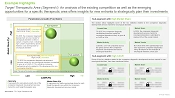
The global companion diagnostics (CDx) development market growth is dependent on the companion diagnostics developed / under development for oncological and non-oncological disorders. It is worth highlighting that, presently, majority of the market value is occupied by companion diagnostics developed for oncological disorders and are expected to remain dominant during the forecast period. Whereas companion diagnostics developed for non-oncological disorders are likely to grow at a higher CAGR in the coming years within the companion diagnostics (CDx) development market.
Market Share by End User
The global companion diagnostic (CDx) development services market caters to a variety of end-users, including industry players (pharmaceutical companies) and non-industry players (hospitals / medical centres and research institutes). Industry players capture the highest share currently and are expected to dominate the market during the forecast period. This can be attributed to the initiatives driven by strict regulations and the growing number of drugs under investigation. This has fostered partnerships and collaborations between companion diagnostic development service providers and industry players, enhancing market growth opportunities.
Market Share by Key Geographical Regions
This segment highlights the distribution of the market opportunity across various geographies, namely North America, Europe and Asia-Pacific. According to our projections, North America is likely to capture majority (66%) of the global market share, and this trend is unlikely to change in the future as well. In South America, the market is still in its emerging stage. It is worth highlighting that the companion diagnostics (CDx) development market in Asia-Pacific is expected to grow at a relatively higher CAGR (11.3%), during the forecast period.
Companion Diagnostics (CDx) Development Market Key Insights
The “Companion Diagnostics (CDx) Development Market (3rd Edition): Industry Trends and Global Forecasts, till 2035” report features an extensive study of the current market landscape, market size and future opportunities associated with service providers within the companion diagnostics (CDx) development industry, during the given forecast period. The market report highlights the efforts of several stakeholders involved in this rapidly emerging segment of the service providers industry. Key takeaways of the companion diagnostics (CDx) development market report are briefly discussed below.
Advantages of Outsourcing Companion Diagnostics (CDx) Development
The service providers in the companion diagnostics (CDx) development market have a well-established service portfolio, experienced tech-support team, access to expertise and capabilities related to different technology platforms. In addition, the service providers in the companion diagnostics (CDx) development market adhere to distinct processes tailored for various drug classes and biomarkers, ensuring specialized development approaches. Several companies have also integrated artificial intelligence and machine learning algorithms in order to ensure the development of high-quality companion diagnostics for efficient drug approval and usage. Additionally, the services provided by these companies follow stringent regulatory guidelines, saving time of the drug developer for approval of their drugs.
Further, one of the primary benefits of outsourcing companion diagnostics (CDx) development is its cost-saving potential. Drug developers that partner with contract service providers need not invest in establishing new facilities, employing, training and maintaining workforce, and insurance policies for diagnostic development. Since contract service providers in the companion diagnostic (CDx) development market have well-equipped facilities and they provide services to multiple consumers, they are able to offer affordable costs for different steps of CDx development.
Competitive Landscape of Service Providers in the Companion Diagnostics (CDx) Development Market
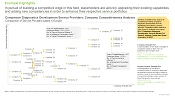
The current market landscape features the presence of over 155 contract service providers offering a variety of services related to companion diagnostics (CDx) development; these include biomarker identification / discovery, biomarker selection / development, assay development, analytical validation, clinical validation, regulatory assistance, manufacturing and commercialization. It is worth highlighting that more than 90% of these service providers have received regulatory accreditations / certifications, namely ISO, CLIA, CAP, GLP and GCP.
Further, the companion diagnostics (CDx) development market features the presence of small, mid-sized and large companies having the required expertise to offer contract manufacturing services across the globe. In addition, they have undertaken several initiatives, such as entering into partnerships, and expanding their existing capabilities and capacities, with the aim to actively cater to the increasing demand for companion diagnostics.
Companion Diagnostics (CDx) Development Market Trends: Increasing Partnerships and Collaborations with and Amongst the Service Providers to Foster Progress and Innovation
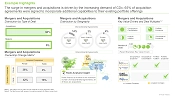
Companion diagnostic service providers have forged several partnerships with other stakeholders in order to develop companion diagnostics and enhance their service portfolios. It is worth highlighting that a significant rise in partnership activity was reported in the recent year.Notably, the majority of the deals signed in this domain are instances of mergers and acquisitions of other companies involved in the global market, followed by product development and commercialization agreements. This can be attributed to the incessant efforts of service providers to further advance the development of their service offerings for different applications and therapeutic areas within the companion diagnostics (CDx) development market.
In January 2024, Agilent Technologies entered into a partnership with Incyte to develop companion diagnostics in order to support the development and approval of Incyte’s pipeline for hematological and oncological disorders. In September 2023, Exact Sciences announced the acquisition of Resolution Bioscience to enhance its next-generation sequencing (NGS)-based companion diagnostics capabilities. Such partnerships are expected to drive companion diagnostics (CDx) development market growth during the forecast period.
Key Drivers of the Companion Diagnostics (CDx) Development Market
The companion diagnostics (CDx) development market growth is primarily attributed to the significant increase in the demand for personalized medicine. Moreover, the progress in genomics and molecular biology has enabled a deeper understanding of the genetic and molecular basis of diseases, resulting in the identification of specific biomarkers that can be targeted for therapeutic interventions and diagnosed using companion diagnostics. Further, regulatory bodies, such as the USFDA and the European Medicines Agency (EMA), have been actively supporting the development and approval of companion diagnostics. The inclusion of companion diagnostics in drug development programs is often encouraged to ensure the right patients receive the right treatments. As a result, service providers are constantly looking out for opportunities to enhance their service offerings in order to cater to the rising demand for personalized therapies.
Companion Diagnostics (CDx) Development Market Size
The current global market opportunity for companion diagnostics (CDx) development services is estimated to be $779 million. In terms of the type of services offered, the market size for feasibility studies is anticipated to grow at a relatively higher CAGR of 9.7% during the forecast period, till 2035. The market growth is primarily fueled by the increasing need for identification and development of the correct biomarker as it determines the success of all the subsequent steps, namely assay development, analytical validation, clinical validation and manufacturing in the companion diagnostic development process.
Regional Analysis: North America Holds the Largest Companion Diagnostics (CDx) Development Market Share
Presently, 65% of the companion diagnostic (CDx) development market is captured by North America. This can be attributed to the stringent regulatory guidelines and partnerships and collaborations established by various stakeholders involved in the development of companion diagnostics. Further, the market value for companion diagnostics (CDx) development in Asia-Pacific is expected to grow at a relatively higher CAGR of 11.3% during the forecast period.
Leading Service Providers in the Companion Diagnostics (CDx) Development Market
Examples of key service providers involved in the companion diagnostics (CDx) development industry (which have also been captured in this market report, arranged in alphabetical order) include Almac Diagnostics, BGI Genomics, Eurofins, Geneuity Clinical Research Services, Labcorp, MEDICAL & BIOLOGICAL LABORATORIES, Q2 Solutions, QIAGEN, Quest Diagnostics and ResearchDx. This market report includes an easily searchable excel database of all the service providers offering companion diagnostics (CDx) development services for different therapeutic areas.
Companion Diagnostics (CDx) Development Market Report Coverage
The market report presents an in-depth companion diagnostics (CDx) development market analysis, highlighting the capabilities of various service providers in this global market, across different segments. Amongst other elements, the market report includes:
- A preface providing an introduction to the full report, Companion Diagnostics (CDx) Development Market (3rd edition), till 2035.
- An outline of the systematic research methodology adopted to conduct the study on companion diagnostics (CDx) development industry, providing insights on the various assumptions, methodologies, and quality control measures employed to ensure accuracy and reliability of our findings.
- An overview of economic factors that impact the overall service providers in the companion diagnostic (CDx) development market, including historical trends, currency fluctuation, foreign exchange impact, recession, and inflation measurement.
- An executive summary of the insights captured during our research. It offers a high-level view on the current state of services offered by service providers for companion diagnostics (CDx) development and its likely evolution in the mid-long term.
- A general overview of companion diagnostics (CDx) development industry, highlighting details on analytical techniques used in companion diagnostic tests, their advantages and applications across different therapeutic areas. It also features the regulatory approval process for companion diagnostic tests. Further, it provides information on the different challenges associated with CDx development, along with the need for outsourcing the development of these diagnostics to service providers and basic guidelines for selecting a contract diagnostic organization (CDO) partner, as well as the opportunities and future perspectives associated with companion diagnostics (CDx) development.
- A detailed overview of the current market landscape of the companion diagnostics (CDx) development market, highlighting the contributions of industry players, along with information on their year of establishment, company size (in terms of employee count), ownership, geographical location of headquarters (North America, Europe and Asia-Pacific), types of services offered (biomarker identification / discovery / testing, biomarker selection / development / assessment, assay development, analytical validation, clinical validation, regulatory assistance, manufacturing and commercialization), affiliated services (laboratory development test (LDT) development, complementary diagnostic development and reagents / assays / kits development), AI support, analytical techniques used (next generation sequencing (NGS), polymerase chain reaction (PCR), immunohistochemistry (IHC), immunoassay, in situ hybridization (ISH), microarray, flow cytometry, sanger sequencing and spectroscopy), therapeutic areas (oncological / immuno-oncological disorders, infectious diseases, inflammatory / autoimmune disorders, neurological disorders, cardiovascular disorders and other disorders) and regulatory certifications / accreditations (International Organization for Standardization (ISO), Clinical Laboratory Improvement Amendments (CLIA), College of American Pathologists (CAP), Good Laboratory Practice (GLP) and Good Clinical Practice (GCP)).
- An insightful company competitiveness analysis of service providers in the companion diagnostics (CDx) development industry, based on several relevant parameters, such as developer strength (in terms of number of years of experience of a company and company size) and product portfolio strength (in terms of number of services offered, number of analytical techniques used, and therapeutic areas assessed).
- Elaborate profiles of key service providers (shortlisted based on their service portfolio strength) in the companion diagnostics (CDx) development market. Each profile features a brief overview of the companion diagnostic development service provider, along with information on location of headquarters, year of establishment, number of employees, leadership team, service portfolio, financial information (if available), recent developments, and an informed future outlook.
- Tabulated profiles of key service providers engaged in the companion diagnostics (CDx) development market. Each profile features a brief overview of the companion diagnostic development service provider, along with information on location of headquarters, year of establishment, number of employees, leadership team and service portfolio.
- A in-depth analysis of the current market landscape of companion diagnostics products offered by various stakeholders that are either marketed / under development, providing information on the analytical techniques used (next generation sequencing (NGS), polymerase chain reaction (PCR), immunohistochemistry (IHC), in situ hybridization (ISH), immunoassay, sanger sequencing, flow cytometry, spectroscopy, microarray and others), target disease indication (oncological disorder (non-small cell lung cancer, breast cancer, cancer undefined, colorectal cancer, undisclosed solid tumor, ovarian cancer, prostate cancer, gastric cancer and pancreatic cancer) and non-oncological disorders (HIV infection, HCV infection, depression, hemophilia, undisclosed psychiatric disorders, thalassemia, non-alcoholic steatohepatitis, Alzheimer's disease and amyotrophic lateral sclerosis)), therapeutic areas (oncological disorders, infectious diseases, neurological disorders, hematological disorders, cardiovascular disorders, respiratory disorders, autoimmune disorders and other disorders), type of biomarker detected (gene and protein), type of sample used (tumor tissue, blood, bone marrow, saliva and others), regulatory authority involved (FDA PMA, CE Mark, MHLW, NMPA and others), expediated review designation (for marketed products), leading companion diagnostic developers (in terms of number of commercially available CDx products) and most popular companion drugs (in terms of number of CDx products). It also provides details on the diagnostic developers, highlighting their year of establishment, company size (in terms of employee count), ownership, geographical location of headquarters (North America, Europe, and Asia-Pacific and rest of the world).
- A detailed analysis of the partnerships established between various companion diagnostics (CDx) development companies in this market, since 2021, covering mergers and acquisitions, product development and commercialization agreements, product development agreements, technology / product utilization agreements, research and development agreements, service agreements, technology / platform integration agreements, clinical trial agreements, licensing agreements and other agreements.
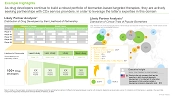
- An insightful analysis of companies segregated on the basis of their likelihood to enter into collaborations with companion diagnostics service providers. The chapter features a list of 300+ drug developers sponsoring clinical trials of therapies targeting several disease-specific biomarkers. The players have been shortlisted based on relevant parameters, namely the number of biomarker-focused clinical trials sponsored and the time to market their proprietary personalized medicine products.
- A detailed analysis of various mergers and acquisitions of companies in this domain, highlighting the trend in the number of companies acquired since 2017, based on several relevant parameters, such as year of agreement, type of deal, geographical location of headquarters, company size, key value drivers and acquisition deal multiples (based on revenues). In addition, it presents an ownership change matrix, providing a summary of the involvement of private and public sector entities in this domain.
- A qualitative assessment of the current and long-term needs of different stakeholders (drug developers, diagnostic developers, testing laboratories, physicians, payers and patients) involved in this domain. In addition, it highlights key areas of concerns associated with this industry, along with our opinion (based on past and prevalent trends) on how the industry is anticipated to address them over the coming years.
- A value chain analysis featuring a discussion on various steps of development operations, namely R&D, clinical assessment of the product, manufacturing and assembly, payer negotiation and marketing activities, of a companion diagnostic, as well as the cost requirements across each of the aforementioned stages.
- An assessment of the completed, ongoing and planned biomarker-driven oncology clinical trials sponsored by prominent big pharmaceutical companies, in the last five years. The chapter highlights the key trends associated with these clinical studies across various parameters, such as trial registration year, phase of development, trial sponsors, recruitment status, therapy design, enrolled patient population, popularity of biomarkers, and popularity of target indications.
- A case study on the current market landscape of precision medicine software solutions that offer intelligent insights to diagnostic developers, service providers, patients and healthcare experts, for making informed decisions. The chapter features information on the type of platform utilized, purpose of software solution, type of data processed, therapeutic area, and types of end users. In addition, it presents a list of developers of the software solutions, along with analysis of their year of establishment, company size, ownership and geographical location of headquarters.
- An in-depth analysis of the factors that can impact the growth of the companion diagnostics (CDx) development market. It also features identification and analysis of key drivers, potential restraints, emerging opportunities, and existing challenges.
- A detailed estimate of the current market size and the future market growth potential of the companion diagnostics (CDx) development market over the next decade. Based on multiple parameters, such as likely adoption trends and through reliable secondary and primary validations, we have provided an informed estimate on the market evolution during the forecast period till 2035. The report also features the likely distribution of the current and forecasted opportunity within the companion diagnostics (CDx) development industry. Further, in order to account for future uncertainties and to add robustness to our model, we have provided three market forecast scenarios, namely conservative, base, and optimistic scenarios, representing different tracks of the market growth.
- Detailed projections of the current and future opportunity for service providers in the companion diagnostics (CDx) development market across various type of services offered, namely Feasibility Studies, Assay Development, Analytical Validation, Clinical Validation and Manufacturing.
- Detailed projections of the current and future opportunity for service providers in the companion diagnostic (CDx) development market across various analytical techniques used, namely NGS, PCR, IHC, flow cytometry and others.
- Detailed projections of the current and future opportunity for service providers in the companion diagnostics (CDx) development market across various therapeutic areas, namely oncological disorders and non-oncological disorders.
- Detailed projections of the current and future opportunity for service providers in the companion diagnostics (CDx) development market across various end users, namely industry players and non-industry players.
- Detailed projections of the current and future opportunity for service providers in the companion diagnostic (CDx) development market across different key geographical regions, namely North America, Europe and Asia-Pacific.
Recent Developments In The Companion Diagnostics (CDx) Development Market
Several recent developments have taken place in the field of companion diagnostics (CDx) development. We have outlined some of these recent initiatives below. These developments, even if they took place post the release of our market report, substantiate the overall market trends that have been outlined in our analysis.
- In May 2026, Foundation Medicine received US FDA approval for FoundationOne CDx as a companion diagnostic for Tepmetko (tepotinib) in non-small cell lung cancer patients with MET exon 14 skipping alterations. The approval enabled broader patient identification using both tissue and liquid biopsy approaches, supported by the integration of real-world data evidence.
- In May 2026, Guardant Health announced FDA approval of its Guardant360 CDx liquid biopsy as a companion diagnostic for Veppanu (vepdegestrant), co-developed by Arvinas and Pfizer. The test identified ESR1 mutations in ER+/HER2- advanced breast cancer patients, supporting targeted therapy selection after progression on endocrine treatment.
- In April 2026, Labcorp announced the nationwide availability of Agilent’s FDA-approved PD-L1 IHC 22C3 pharmDx companion diagnostic. The test helped identify platinum-resistant ovarian cancer patients eligible for Merck’s Keytruda therapy, improving access to immunotherapy and enabling faster clinical decision-making across US oncology practices.
- In March 2026, the US FDA approved Myriad Genetics’ MyChoice CDx as a companion diagnostic for GSK's Zejula (niraparib) in advanced ovarian cancer. The test determined homologous recombination deficiency status using next-generation sequencing and genomic instability scoring, with validation from the Phase 3 PRIMA clinical trial.
- In February 2026, Agilent Technologies received FDA approval for PD-L1 IHC 22C3 pharmDx as a companion diagnostic for epithelial ovarian, fallopian tube, and primary peritoneal carcinoma. The approval expanded its indications to support Keytruda treatment decisions, marking the seventh FDA-approved use of this widely adopted PD-L1 diagnostic assay.
Author(s): Ronit Sharma and Manoti Vyas
Frequently Asked Questions
What is companion diagnostics (CDx) development and commercialization?
Companion diagnostics (CDx) development and commercialization refers to the process of biomarker identification / discovery, biomarker selection / development, assay development, analytical validation, clinical validation, regulatory assistance, manufacturing and commercialization.What is the global companion diagnostics (CDx) development market size?
The current market opportunity for companion diagnostics (CDx) development service providers is estimated to be worth $779 million.What is the growth rate (CAGR) of the companion diagnostics (CDx) development market?
The companion diagnostics (CDx) development industry is expected to grow at compounded annual growth rate (CAGR) of 9.7% during the forecast period till 2035.How many companion diagnostic tests are currently available / under development?
Presently, close to 300 companion diagnostics are available / under development globally; of these, around 50% of the tests are under development.Which region has the highest companion diagnostics (CDx) development market share?
Currently, North America capture 65% of the market share, followed by Europe.Who are the leading service providers in the companion diagnostics (CDx) development market?
Examples of key service providers engaged in the companion diagnostics (CDx) development industry (which have also been profiled in this market report; the complete list of companies is available in the full report) include Almac Diagnostics, BGI Genomics, Biocartis, Cerba Research, Eurofins, Geneuity Clinical Research Services, Labcorp, MEDICAL & BIOLOGICAL LABORATORIES, Novogene, Q2 Solutions, QIAGEN, Quest Diagnostics and ResearchDx.What are the recent companion diagnostics (CDx) development market trends?
The companion diagnostic service providers have entered into several partnerships in order to cater to the demand of its global clientele and become one-stop-shops for companion diagnostics (CDx) development.