


 Download Free Sample
 Buy Now
Market Size
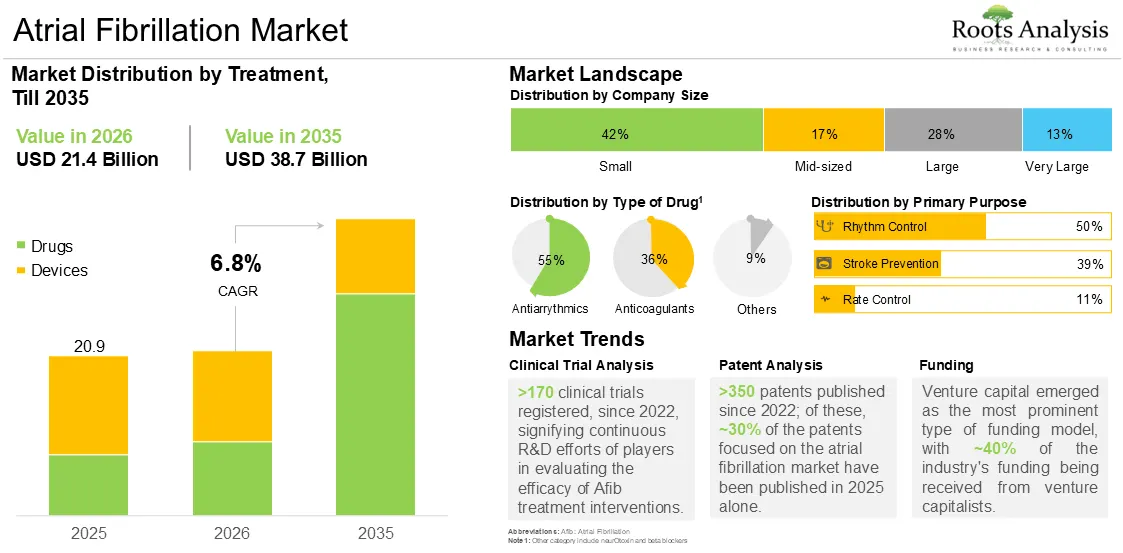
The global atrial fibrillation market, valued at USD 20.9 billion in 2025, is projected to reach USD 21.4 billion in 2026 and USD 38.7 billion by 2035, representing a CAGR of 6.8% during the forecast period 2026 to 2035. The market includes both treatment drugs and devices for atrial fibrillation (AFib).
See What’s in the Full Report – Request Your Complimentary Insights!
Market Report: Key Takeaways
- The surging prevalence of atrial fibrillation driven by demographic aging and lifestyle-related risk factors, coupled with breakthroughs in technologies, will drive the market growth at a decent pace during the forecast period.
- In terms of treatment, atrial fibrillation drugs capture the majority market share; however, the market for devices is expected to grow at a higher CAGR during the forecast period.
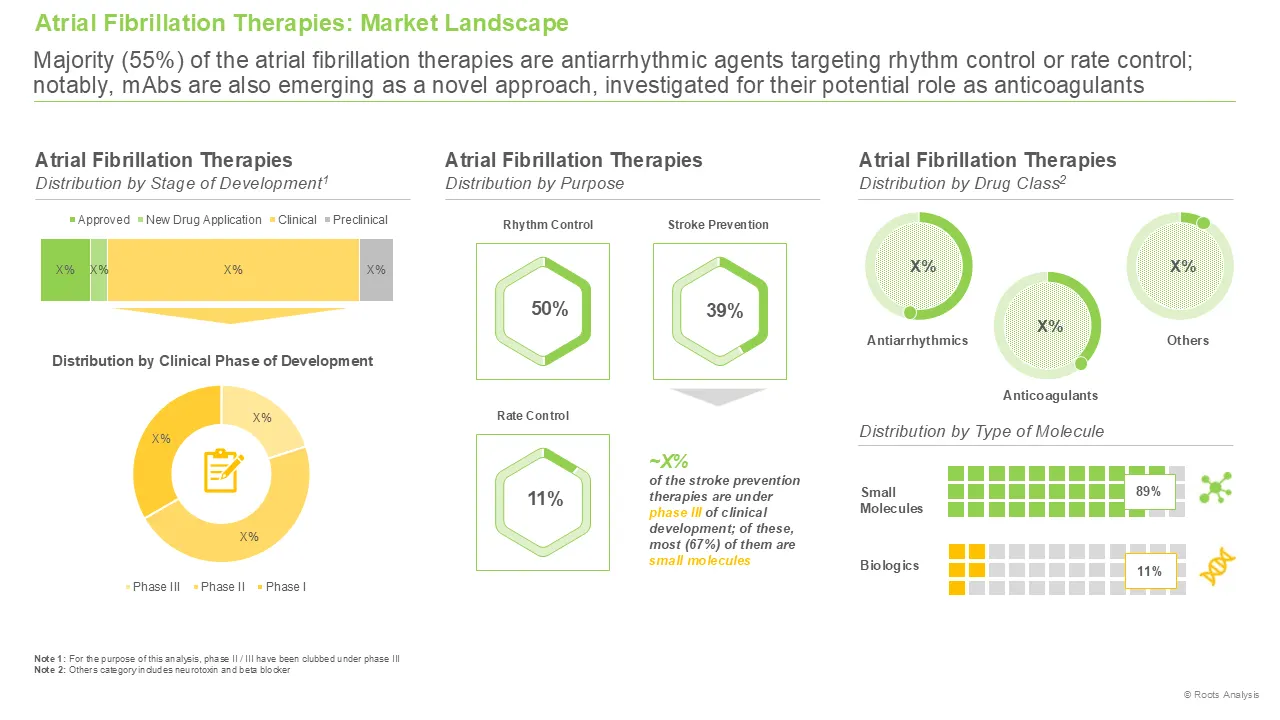
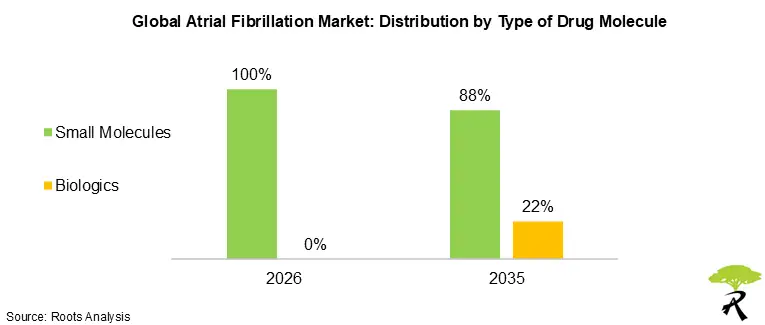
- In terms of type of drug molecule, small molecules dominate the overall market owing to their convenience in oral administration for chronic management, precise targeting of critical pathways, such as ion channels and coagulation factors, and superior tissue penetration for rapid action.
- Given the rising stroke risk awareness, expanding left atrial appendage occlusion beyond warfarin failures, and increasing procedural adoption, the left atrial appendage closure market is likely to grow at a decent pace during the forecast period.
- In terms of type of technology, currently, pulse field ablation dominates the market due to its ability to use short, highvoltage electrical pulses to selectively destroy atrial tissue via irreversible electroporation.
- Growing emphasis on tailored therapies, including hybrid surgical-non-surgical strategies and next-generation anticoagulants (like factor XIa inhibitors), is enhancing efficacy and safety profiles for diverse patient cohorts.
- In terms of geographical regions, North America holds the majority atrial fibrillation market share, driven by high prevalence, advanced infrastructure, favorable regulations, and rapid adoption of innovative technologies.
Market Overview
Atrial fibrillation (AFib) is the most common sustained cardiac arrhythmia, characterized by irregular and often rapid heart rhythm that disrupts normal atrial contraction. This condition significantly elevates the risk of stroke, heart failure, and other cardiovascular complications, making effective diagnosis and management a critical priority in contemporary cardiology.
The prevalence of AFib rises sharply with age, typically affecting 1-2% of the general adult population and increasing to 5% or more in individuals over 65 years, with lifetime risk estimated at approximately one in 3-5 individuals after 45 years of age. In addition, prevalence is higher in specific subgroups, including men and individuals with comorbidities like hypertension, diabetes, and obesity, which further elevates AFib risk.
In 2024, the CDC identified AFib as the most common heart arrhythmia treated in the US. The number of Americans affected is projected to reach 12.1 million by 2030, with AFib contributing to roughly 158,000 deaths annually and about one in seven stroke cases. Improved detection through wearable medical devices and routine screening has further highlighted the substantial burden of both diagnosed and undiagnosed cases.
Historically, atrial fibrillation treatment focused on drugs for rate / rhythm control and anticoagulants like warfarin to prevent stroke. However, these approaches relied heavily on chronic medication, with limited options for curative approaches and challenges related to bleeding risks, drug interactions, and variable patient adherence.
Over the years, the treatment landscape has evolved considerably with the advent of direct oral anticoagulants (DOACs), advanced catheter ablation techniques, left atrial appendage closure devices, and integrated digital monitoring solutions. These innovations offer improved efficacy, safety profiles, and minimally invasive alternatives, shifting the paradigm towards personalized, rhythm-control strategies and proactive prevention of complications. With the rise in the aging population, increasing comorbidity burden, and ongoing technological advancements, the atrial fibrillation market is well poised for sustained expansion as stakeholders prioritize innovative therapies and comprehensive care pathways.
Top Companies and Key Drugs in Atrial Fibrillation Market
The atrial fibrillation market landscape is highly competitive and dynamic, driven by the rapid innovation in this domain.
| Company | Year of Establishment | Headquarters (Region) | Drug Name | Generic Name | Drug Class | Approval Status | Route of Administration |
| Bristol-Myers Squibb (with Pfizer) | 1989 | US | Eliquis | Apixaban | Factor Xa Inhibitor (DOAC) | Approved | Oral |
| Bristol-Myers Squibb | 1989 | US | Coumadin / Jantoven | Warfarin | Vitamin K Antagonist | Approved | Oral |
| Boehringer Ingelheim | 1885 | Germany | Pradaxa | Dabigatran | Direct Thrombin Inhibitor (DOAC) | Approved | Oral |
| Daiichi Sankyo | 2005 | Japan | Savaysa / Lixiana | Edoxaban | Factor Xa Inhibitor (DOAC) | Approved | Oral |
| Sanofi | 1973 | France | Multaq | Dronedarone | Class III Antiarrhythmic | Approved | Oral |
| Pfizer | 1849 | US | Corvert | Ibutilide | Class III Antiarrhythmic | Approved | Subcutaneous |
Recent Developments
- In April 2026, Medtronic presented new clinical data at a conference showing 65.5% freedom from ventricular tachycardia recurrence at six months using the Affera system with Sphere-9 catheter for ablation.
- In February 2026, the European Society of Cardiology (ESC) and its partners introduced AF-B-STEP, a four-year project to improve how atrial fibrillation is detected, measured (AF burden), and treated worldwide.
- In February 2026, W. L. Gore & Associates, a global materials science company, acquired Conformal Medical, developer of the investigational CLAAS® AcuFORM™ System, a next-generation left atrial appendage occlusion (LAAO) technology.
Your Business is Unique – Why Shouldn’t Your Report Be?
Atrial Fibrillation Market Trends
- Growing Adoption of Pulsed Field Ablation (PFA): Emerging pulsed field ablation systems offer a safer, more efficient therapeutic alternative to traditional thermal ablation, avoiding risks like esophageal injury and pulmonary vein stenosis. These innovations expand patient eligibility, especially for those with challenging anatomies, and seamlessly integrate with existing antiarrhythmic regimens. As a result, PFA is poised to drive widespread adoption in high-volume cardiac centers, revolutionizing atrial fibrillation treatment. Moreover, it is important to highlight that Medtronic's Sphere-360 PFA catheter achieved 88% arrhythmia-free outcomes at one year with zero serious safety events in April 2025 trials, prompting plans for a US pivotal study. In addition, Boston Scientific's FARAPULSE™ system, FDA-cleared in October 2024, is already in active clinical use.
- Expansion of Left Atrial Appendage Closure (LAAC): LAAC is transforming stroke in non-valvular atrial fibrillation patients. The FDA approvals for advanced devices, particularly Boston Scientific’s WATCHMAN FLX and the newer WATCHMAN FLX Pro (with polymer coating and enhanced visualization markers), have significantly improved procedural safety, sealing efficacy, and anatomical compatibility. This drives adoption of combined catheter ablation and LAAC in one session. Moreover, the clinical evidence from the OPTION trial demonstrates that WATCHMAN FLX offers comparable stroke protection to oral anticoagulants while delivering superior bleeding risk reduction post-ablation. As a result, LAAC is evolving from an alternative for patient’s intolerant to long-term anticoagulation into a comprehensive, one-time solution that addresses both rhythm management and stroke risk, reducing lifetime medication burden and improving patient outcomes.
- Increasing Healthcare Investments in Emerging Economies: The rising healthcare investments in emerging economies are expanding access to atrial fibrillation diagnostics, electrophysiology services, and advanced therapies. The growing chronic disease burdens, urbanization, and aging populations drive demand, with governments and private payers upgrading infrastructures. For instance, in India, an emerging market with a high cardiovasculardisease burden, global medtech companies are making targeted investments to expand AIpowered cardiaccare infrastructure; in 2025 OMRON Healthcare announced a second investment in the Indian AImedtech startup Tricog Health to advance AIdriven cardiaccare solutions and remotemonitoring services, such as KeeboHealth, underscoring the growing privatesector commitment to scaling cardiac diagnostics and earlydetection platforms in the country.
Industry Experts on Atrial Fibrillation Market
The market for atrial fibrillation treatment devices and drugs has a transformative future and is likely to remain progressive in the future.
James Halle (Chief Medical Officer of Abbott), stated that,In Europe, where pulsed field ablation (PFA) is already commercially available, many physicians are transitioning from cryoablation to PFA due to its faster pulmonary vein isolation times. With significant waiting lists, hospitals and physicians seek tools that enhance procedural efficiency and enable faster patient treatment. The situation with radiofrequency (RF) ablation differs. RF remains valuable for targeting lesions beyond the pulmonary veins. While future shifts are hard to predict precisely, we expect both energy modalities to coexist. For instance, PFA has been associated with coronary artery spasms in certain anatomies; near coronary arteries, RF may be preferred for its safety profile. In regions without such proximity, PFA offers clear advantages. Ultimately, optimal outcomes will depend on selecting the right energy source for each clinical scenario.”
Discussions with multiple stakeholders in this domain influenced the opinions and insights presented in this study. The market report includes transcripts of the following third-party discussions:
- Cardiologist, Very Large Organization, US
- Senior Vice President and President, Cardiac Rhythm Management & Diagnostics, Very Large Organization, US
- Chief Medical Officer, Very Large Organization, US
- Chief of Cardiac Surgery and Co-Director, Very Large Organization, US
- President, and Vice President of Preclinical and Clinical Research & Medical Affairs, Very Large Organization, New Zealand
- Co-Founder and Chief Executive Officer, Small Company, Switzerland
Market Drivers
- Rising Global Prevalence of AFib: Approximately 50-60 million people worldwide currently live with atrial fibrillation. The prevalence is projected to rise sharply due to aging populations and the growing burden of hypertension, obesity, and diabetes. This escalating disease burden is creating sustained demand for advanced diagnostics, stroke prevention therapies, and rhythm control solutions across both developed and emerging markets.
- Expanding Geriatric Population: The risk of atrial fibrillation increases with age, affecting over 9-10% of individuals aged 80 and above, compared to less than 1% in those under 50. As global life expectancy continues to rise and the proportion of elderly populations grows, healthcare systems face increasing demand for long-term AFib management, catheter ablation, and stroke prevention strategies to reduce hospitalizations and improve quality of life.
- Growing Awareness and Early Diagnosis: The increasing awareness among clinicians and patients regarding atrial fibrillation’s strong association with ischemic stroke has led to widespread adoption of early screening and rhythm control strategies. This shift has enabled timely intervention, slowed disease progression, and reduced long-term complications, thereby creating favorable conditions for sustained market expansion in both diagnostic and therapeutic segments. Moreover, AI is transforming atrial fibrillation diagnostics by enabling high-accuracy detection through advanced machine learning and deep learning models. These innovations extend beyond traditional clinical settings, as AI-powered algorithms are increasingly integrated into wearable devices to facilitate large-scale, continuous screening. This evolution allows for more precise risk stratification and timely therapeutic interventions that help mitigate the risk of stroke and other complications.
Pay Only for What You Need – The Best Way to Optimize
Market Segmentation Analysis
Which Type of Drug Molecule will Dominate the Atrial Fibrillation Market?
- According to our market analysis, the small molecules dominate the current market, and this trend is unlikely to change during the forecast period.
- This is owing to their established efficacy, oral administration convenience, lower manufacturing costs, and better patient compliance.
Market Regional Insights
North America Dominates the Market
In 2035, North America’s atrial fibrillation market will likely dominate, capturing majority of the market share. Key factors that contribute to the region’s dominance in this industry include rapidly growing prevalence of AFib, with approximately 5 million Americans currently affected and projections exceeding 12 million cases by 2030; advanced healthcare infrastructure and widespread adoption of cutting-edge technologies, such as PFA and left atrial appendage closure devices.
Asia-Pacific: An Emerging Growth Spot
In Asia-Pacific, the market will likely grow at a higher CAGR, during the forecast period. Rising geriatric populations, increasing cardiovascular disease prevalence, and improved healthcare infrastructure propel this growth.
In terms of End Users, Which Segment Accounts for the Largest Share?
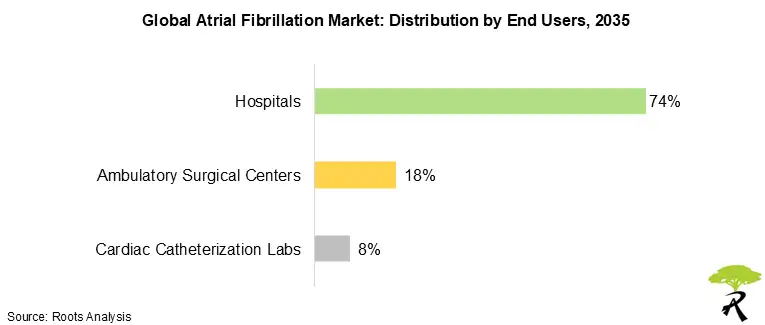
- Based on our estimates, the hospitals’ sub-segment accounts for over 80% of the current market share.
- This is due to the presence of advanced electrophysiology labs, specialized cardiac infrastructure, and skilled electrophysiologists essential for complex procedures like catheter ablation. Patient preference for comprehensive hospital-based treatment further reinforces this dominance.
Get an Instant Quote in 10 Minutes. Lowest Price Guaranteed
Atrial Fibrillation Market: Scope of the Report
| Key Report Attributes | Details | |
| Historical Trend | Since 2023 | |
| Forecast Period | Till 2035 | |
| Market Size 2026 | USD 21.4 Billion | |
| Market Size 2035 | USD 38.7 Billion | |
| CAGR (Till 2035) | 6.8% | |
| Key Players Profiled |
|
|
| Segments Covered |
|
|
| Excel Data Packs (Complimentary) |
|
|
| PowerPoint Presentation (Complimentary) |
|
|
| Customization Scope |
|
|
Market Segments
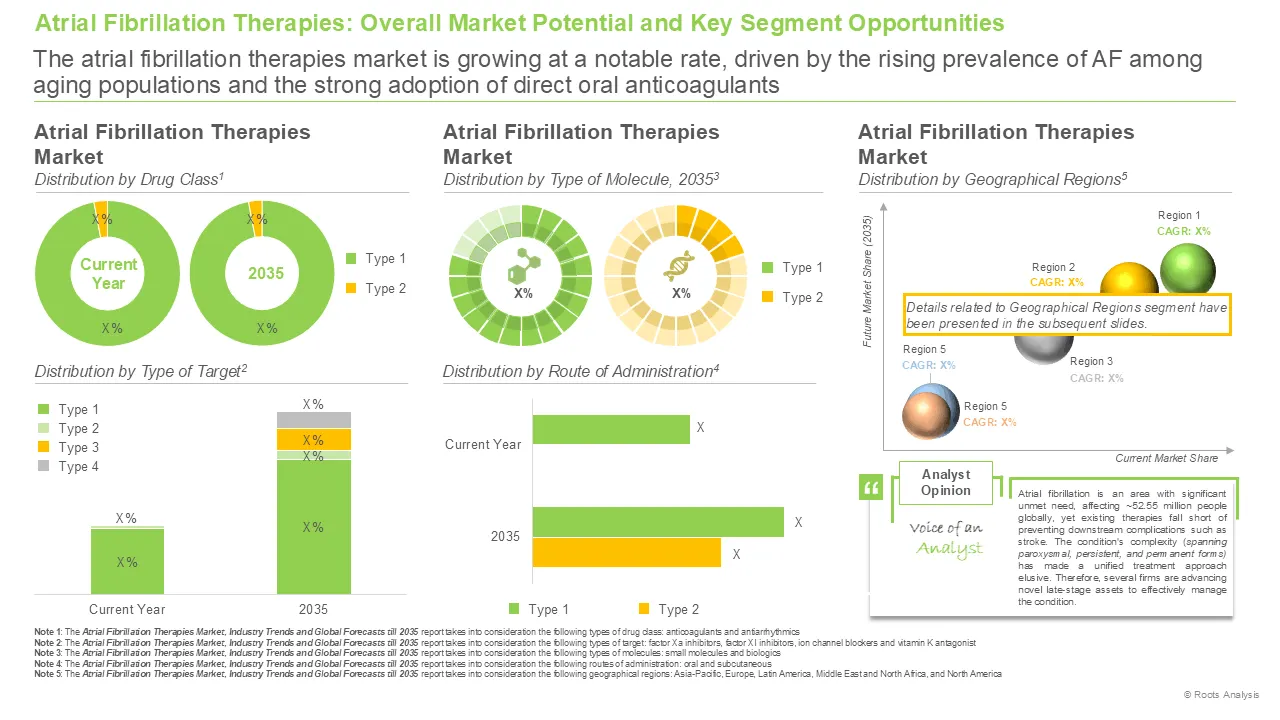
Based on the research, we have segmented the Atrial Fibrillation Market Report into treatment, type of drug, type of drug molecule, type of target, route of administration, type of device, type of technology, end user, and geographical regions.
By Treatment
- Drugs
- Devices
By Type of Drug
- Antiarrhythmics
- Anticoagulants
By Type of Drug Molecule
- Biologics
- Small Molecules
By Type of Target
- Factor Xa Inhibitors
- Factor XI Inhibitors
- Ion Channel Blockers
- Vitamin K Antagonist
By Route of Administration
- Oral
- Subcutaneous
By Type of Device
- Catheter Ablation
- Left Atrial Appendage Closure Devices
By Type of Technology
- Cryoablation
- Pulse Field Ablation
- Radiofrequency
- Others
By End User
- Ambulatory Surgical Centers
- Cardiac Catheterization Labs
- Hospitals
By Geographical Regions
- North America
- US
- Canada
- Europe
- UK
- Germany
- France
- Italy
- Spain
- Rest of Europe
- Asia-Pacific
- China
- Japan
- South Korea
- Australia
- Middle East and North Africa
- Saudi Arabia
- UAE
- Latin America
- Brazil
- Argentina


