DNA Read Write and Edit Market
Global DNA Read, Write and Edit Market, till 2035 - Distribution by Type (Kits and Reagents, Cell Line Engineering, Animal Models and Services), Type of Technology (CRISPR-Cas Systems, TALEN’s, ZFNs, and Base Editors), Type of Delivery Mode (Viral Vectors, Non-Viral Vectors, Electroporation, and Microinjection), Type of Targeted Organism (Humans, Animals and Plants), Type of Application (Gene Therapy, Diagnostics, Biotechnology, Agricultural And Synthetic Biology), End User (Pharmaceutical and Biotechnology Companies, Academic and Research Institutes, Clinical Research Organizations, and Other End Users), Geographical Region (North America, Europe, Asia-Pacific, Middle East and North Africa, and Latin America), and Leading Players: Industry Trends and Global Forecast
-
Lowest Price Guaranteed
-
Slides
203 -
Last Updated
December 2025 -
View Count
11139 -
DNA Read, Write and Edit Market Overview
The global DNA read, write and edit market is expected to increase from USD 8.33 billion in 2025 to USD 29.78 billion by 2035, representing a CAGR of 13.6% during the forecast period.
 |
To learn more about this report, request a free sample copy
DNA reading, writing and editing refers to the advanced technologies that set the core foundation for synthetic biology. With availability of advanced technologies such as CRISPR-Cas9, next generation DNA sequencing, and molecular technologies, researchers can create an engineered version of DNA that can be metamorphosed into different applications. Currently, the redesigned or modified DNA holds excellent potential in diagnosis and treatment of a wide range of diseases. Several industry players are currently exploring the potential of DNA reading, writing and editing technologies for the development of drugs, research and biotechnological applications.
However, the primary focus is on leveraging these technologies for the development of tailored cell therapies and gene therapies. It is important to highlight here that in December 2023, the USFDA approved two cell-based gene therapies, namely CASGEVY® (co-developed by CRISPR Therapeutics and Vertex Pharmaceuticals) and LYFGENIA™ (developed by bluebird bio). These two milestone approvals represent the first cell-based gene therapies to treat patients (12 years and older) suffering from sickle cell disease.
 |
 |
 |
Notably, Casgevy is the first-of-its-kind treatment approved by the USFDA that utilize CRISPR-Cas9 genome editing technique, a significant advancement in genome editing field. Furthermore, the recent trend of DNA read, write and edit reflects synthetic biology, which enables researchers to edit and construct modified DNA sequences to be utilized for various applications including drug research, agriculture and biotechnology. Additionally, the key players of the industry are focusing on the integration of big data, artificial intelligence and machine learning technologies to enhance the efficiency and accuracy of DNA editing tools, so as to develop genome editing therapies.
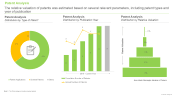
Furthermore, significant investments in life sciences research and biotechnology for the development of advanced drugs and other applications is an important driver for this emerging market. For instance, in September 2024, Pairwise (a gene editing company focused on plant breeding) raised USD 40 million in Series C funding round, in order to advance Fulcrum™ platform, a proprietary CRISPR-based platform to conduct plant genetics for the development of CRISPR products. Similarly, several companies are continually striving to make more efficient genetic editing tools and expanding their product portfolio, which is anticipated to be a key reason for the steady growth of DNA read, write and edit market during the forecast period.
 |
 |
 |
DNA Read, Write and Edit Market Segmentation Insights
The market research report presents an in-depth analysis of companies that are involved in this industry across different segments, as defined in the table below:
DNA Read, Write and Edit Market: Report Attributes / Market Segmentation
| Key Report Attributes | Details | |
| Historical Trend | Since 2019 | |
| Forecast Period | Till 2035 | |
| Market Size 2035 | $29.78 Billion | |
| CAGR (Till 2035) | 13.6% | |
| Type of Product |
|
|
| Type of Technology |
|
|
| Type of Delivery Mode |
|
|
| Type of Targeted Organism |
|
|
| Type of Application |
|
|
| End Users |
|
|
| Geographical Regions |
|
|
| Key Companies Profiled |
|
|
| PowerPoint Presentation (Complimentary) |
Available | |
| Customization Scope | 15% Free Customization | |
| Excel Data Packs (Complimentary) |
Available | |
 |
 |
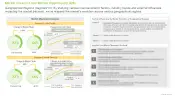 |
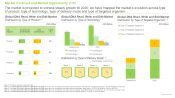
One of the key objectives of the DNA read, write and edit market report was to estimate the current size, opportunity and the market growth potential, over the forecast period, till 2035. We have provided informed estimates on the likely evolution of the market for the forecast period.
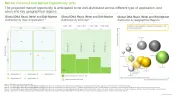
The market analysis also features the likely distribution of the current and forecasted opportunity distributed across various segments such type (kits and reagents, cell line engineering, animal models and services), type of technology (CRISPR-Cas systems, TALEN’s, ZFNs, and base editors), type of delivery mode (viral vectors, non-viral vectors, electroporation, and microinjection), type of targeted organism (humans, animals and plants), type of application (gene therapy, diagnostics, biotechnology, agricultural and synthetic biology), end user (pharmaceutical and biotechnology companies, academic and research institutes, clinical research organizations, and other end users), and geographical region (North America, Europe, Asia-Pacific, Middle East and North Africa, and Latin America) and leading players.
In order to account for future uncertainties associated with some of the key parameters and to add robustness to our model, we have provided three market forecast scenarios, namely conservative, base, and optimistic scenarios, representing different tracks of industry’s evolution. All actual figures have been sourced and analyzed from publicly available information forums and primary research discussions. The financial figures mentioned in this market report are in USD, unless otherwise specified.
DNA Read, Write and Edit Market Share Analysis
Market Share by Type of Product
Based on the type of product, the global DNA read, write and edit market is segmented into kits and reagents, cell line engineering, animal models and services. Among these, currently kits and reagents segment accounts for the highest share of the market. This is primarily due to the high demand for kits and reagents in laboratories for DNA or gene editing. However, cell line engineering is likely to grow at a higher CAGR during the forecast period. Cell lines engineering holds a significant potential in the development of specialized drugs including biologics and monoclonal antibodies-based drugs.
Market Share by Type of Technology
The global market is segmented across various types of technologies, such as CRISPR-Cas systems, TALEN’s, ZFNs, and base editors. According to our analysis, presently CRISPR-Cas systems occupies the largest DNA read, write and edit market share (nearly 35%). CRISPR-Cas system has been widely adopted in research and drug development applications. Further, CRISPR-Cas gene editing technology helps in the development of more efficient and precise variants of DNA, expected to further drive this segment during the forecast period. However, in the future, TALEN’s and ZFNs are likely to grow at a higher CAGR during the forecast period driven by the higher specificity and efficiency offered by these technologies during gene editing. Moreover, these technologies also helps to make specific DNA base changes without creating double-strand breaks.
Market Share by Type of Delivery Mode
The global DNA read, write and edit market is further bifurcated based on delivery mode into viral vectors, non-viral vectors, electroporation, and microinjection. It is worth mentioning that viral vectors accounts for the significant proportion of market share. This dominance is due to the viral vectors are widely used for delivering genetic material inside the targeted cells. Additionally, the viral vectors offer lower immunogenicity and toxicity, which is expected to be a robust reason for highest share of the market. Various viral vector manufacturers also are extensively engaged in development of technologically-advanced viral vectors.
However, in the future, microinjections segment is likely to grow at a substantial CAGR during the forecast period driven by the ease of usage. With the ongoing advancements to automate the microinjection process, the healthcare sector is actively conducting research on robotics systems. In April 2024, researchers from University of Minnesota, developed a robot which utilizes metaverse in healthcare technology (machine learning) for the complete automation of microinjection process used in genetic research.
Market Share by Type of Targeted Organisms
The global DNA read, write and edit market is segmented based on targeted organisms into humans, plants and animals. According to our projection, humans segment accounts for the highest share of the market. This can be attributed to the increasing demand for personalized drugs to treat wide range of genetic diseases and oncological disorders. However, in the long run, animal models segment is likely to grow at a higher CAGR driven by the increasing usage in drug discovery and research for testing efficacy and safety of therapeutic candidates.
Market Share by Type of Application
This segment highlights the distribution of global DNA read, write and edit market across different type of application, such as gene therapy, diagnostics, biotechnology, agricultural and synthetic biology. Currently, gene therapy holds the largest share of the market. This can be attributed to the increasing demand for customized gene therapies to treat genetic disorders. Further, the growing advancements in gene editing technologies has contributed to the highest share of the market. However, the synthetic biology and agriculture biotechnology segments are likely to grow at a higher CAGR during the projected period driven by the growing application in the development of bio-based products and crop improvement.
Market Share by End User
Based on the end user, the global DNA read, write and edit market is segmented into pharmaceutical and biotechnology companies, academic and research institutes, clinical research organizations, and other end users. According to our analysis, the pharmaceutical and biotechnology companies segment holds the largest share of the market. This dominance is due to the fact that pharmaceutical and biotechnology companies are consistently making efforts for the development of therapeutic drugs and advanced gene editing technologies. Furthermore, the growing focus on the targeted therapeutics has further contributed to the highest share of this segment.
However, it is important to highlight here that the academic and research institutes segment holds the second largest share of the market and is poised to grow at a higher CAGR during the forecast period. This can be attributed to the academic and research institutes remaining at the front step for scientific research and advancements. These DNA read, write and edit technologies allow researchers to design gene therapies and act as disease study model.
Market Share by Geographical Regions
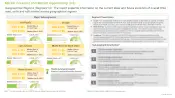
The global DNA read, write and edit market is distributed across geographical regions, such as North America, Europe, Asia-Pacific, Middle East and North Africa, and Latin America. According to our analysis, currently North America holds the highest share of the market. This can be attributed to the presence of well-established industrial leaders, increasing technological advances and ongoing research on therapeutic drugs. However, in Asia-Pacific, the market for DNA read, write and edit is anticipated to register highest CAGR during the forecast period. This lucrative growth is driven by the ongoing expenditures by government organizations for healthcare advancements and rising awareness about genetic disorders.
DNA Read, Write and Edit Market Dynamics Insights
The “Global DNA Read, Write and Edit Market: Industry Trends and Global Forecast, till 2035” report features an extensive study of the focus on competitive landscape of strategic initiatives, emerging mega trends, big pharma initiatives, company profiles and key drivers and restraints. The market report highlights the efforts of several stakeholders engaged in this rapidly evolving segment of the biotechnology market. Key takeaways of the market report are briefly discussed below.
DNA Read, Write and Edit Market Competitive Landscape
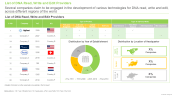
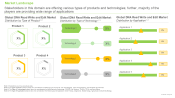
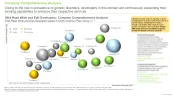
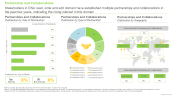
Currently, the market landscape features a wide array of industrial players including well-established and new entrants. Notably, the leading players of the market are continually striving for technological innovations to develop affordable and efficient genetic editing tools. Overall, the market for DNA read, write and edit seems highly competitive and features the presence of several small, mid-size and large companies who are presently focusing on technological innovations. These companies are extensively forging alliances with drug developers in order to expedite the drug development process.
In December 2024, Base Therapeutics received the IND approval of NK510 therapy, which utilizes GenScript Biotech’ cGMP sgRNA (for gene editing), along with CytoSinct™ Cell Isolation Nanobeads (GMP) and CytoSinct™ 1000 instruments (for performing cell isolation). As stated by Dr. Tianhong Xu (Founder, Base Therapeutics), “We are grateful to GenScript for providing services and products (sgRNA & instruments) that meet the regulatory requirements of both countries. This achievement not only marks a significant breakthrough in base editing technology, but also underscores our unwavering commitment to innovation, safety, and efficacy”.
Market Drivers: Increasing Prevalence of Genetic Disorders
Several factors that are propelling the DNA read, write and edit market including rising demand for tailored drugs and growing prevalence of genetic disorders. Genetic diseases typically occur due to mutations in the genes, gene deletion or non-functional genes. Genetic editing tools enable the modification of the genes to restore the normal functioning. Moreover, gene editing technologies also helps in the development of targeted gene therapies to treat patients. In addition to increasing genetic disorders, the rising shift towards tailored treatment is expected to be a key driver of the market.
Market Challenges: Regulatory Hurdles and High Initial Investment
Despite significant growth opportunities, currently the market witnesses several challenges. Some of the potential challenges includes complex regulatory guidelines and high initial investment. It is worth noting here that gene editing technologies require high initial investment and installation charges, which may impact the adoption rate. Furthermore, the complex regulatory guidelines associated with the approval of advanced technologies may hinder market progress. In addition, some of the recent challenges that may hinder market progress included off-target DNA editing, deamination effects in both RNA and DNA and generation of bystander mutations. These off-target DNA editing may arise during DNA base-editor constituents, as a Cas nuclease variant which further create difficulty in designing desired DNA base.
DNA Read, Write and Edit Market Trends: Personalized Medicines and Technological Innovations
Some of the major trends that are shaping the DNA read, write and edit industry includes increasing shift towards personalized medicines and technological advancements. Presently, the key players of the industry are focusing on the development of next generation genome sequencing technologies that aid in editing genes precisely with higher accuracy rate. For instance, in October 2024, Illumina launched the MiSeq™ i100 Series, the simplest benchtop sequencer that delivers unparallel speed and accuracy to advance next-generation sequencing for laboratories. Moreover, several companies are aiming to integrate artificial intelligence and machine learning to enhance accuracy in DNA editing, which is expected to be a significant growth factor of the market.
The utilization of artificial intelligence opens more possibilities for researchers to control genes expression in the body. The ability of control gene expression can help in designing drugs for the diseases that occur due to gene defects. For instance, in October 2024, The Jackson Laboratory, the Broad Institute of MIT and Harvard, and Yale University’ researchers utilized artificial intelligence for designing thousands of new DNA switches that can accurately control the expression of specific gene in a particular type of cells.
DNA Read, Write and Edit Market Size Analysis
The global DNA read, write and edit market is currently valued at USD 8.33 billion. Driven by the growing preferences for personalized therapeutic drugs to target several diseases including cancer and neurological diseases, the market is poised to reach at USD 29.78 billion by 2035, representing a CAGR of 13.6% during the forecast period. It is important to highlight here that currently, North America holds the dominating position in the market with a share of close to 25%. This dominance is likely to be the result of ongoing research and investments by industrial players for the development of advanced technologies. For instance, in September 2024, GenEditBio successfully raised strategic investment from Gobi Partners GBA to increase the development of innovation genome editing technologies. GenEditBio will also use these funds to improve editing technologies aiming to accelerate in vivo programs and clinical studies for understanding drug safety and efficacy.
Leading Companies in DNA Read, Write and Edit Market
Examples of the key players (which have also been profiled in this report) involved DNA read, write and edit industry include Agilent Technologies, Bio-Rad Laboratories, Bluebird Bio, Beam Therapeutics, Cellectis, CRISPR Therapeutics, Danaher, Editas Medicine, GenScript Biotech, Illumina, Intellia Therapeutics, Oxford Nanopore Technologies, Pacific Biosciences, PerkinElmer, QIAGEN, Roche, Sangamo Therapeutics, Thermo Fisher Scientific and Twist Bioscience. This market report includes an easily searchable excel database of all the companies focusing on the development of DNA read, write and edit solutions.
Recent Development in DNA Read, Write and Edit Market
Several recent developments have taken place in the DNA read, write and edit industry. We have outlined some of these recent initiatives below.
- In December 2024, QIAGEN launched AI and natural language processing based Ingenuity Pathway Analysis (IPA) Interpret, that can support the researchers to interpret the complex gene expression data.
- In September 2024, Hongene and ReciPharm signed a partnership agreement to improve gene editing based drug manufacturing capabilities.
- In June 2024, NovoCrops Biotechnology and HuidaGene Therapeutics announced licensing agreement to discover CRIPSR gene editing tools and advancing CRISPR-based genomic medicines. The agreement also focuses on the development of gene-editing crops by exploring the applications of novel DNA editor hfCas12Max®.
- In May 2024, Editas Medicine (clinical stage gene editing company) announced two-year extension of its collaboration with Bristol Myer Squibb for the research, development and commercialization of autologous and allogeneic alpha-beta T cell medicine to treat autoimmune diseases and cancer.