report-pricing-dollar

Nutraceutical Product Testing Market

Nutraceutical Product Testing Market: Industry Trends and Global Forecasts, Till 2035: Distribution by Type of Service Offered (Analytical Testing, Microbiological Testing, Stability Testing and Other Services), Type of Nutraceutical Product (Dietary Supplements, Functional Foods, Functional Beverages and Other Nutraceutical Products), Type of Ingredient (Vitamins, Herbals, Probiotics, Minerals, Enzymes and Amino Acids), End Users (Nutraceutical Developers, Contract Manufacturers, and Regulatory Bodies and Other End Users), Key Geographical Regions (North America, Europe and Asia-Pacific) and Leading Players

  • Lowest Price Guaranteed

  • Pages
    266

  • Last Updated
    July 2026

  • View Count
    13269

Global Nutraceutical Product Testing Market Size

The nutraceutical product testing market size is estimated to be USD 2.93 billion in 2025 and is projected to reach USD 7.33 billion by 2035. The market is anticipated to grow at a CAGR of 9.6%, during the forecast period, till 2035.
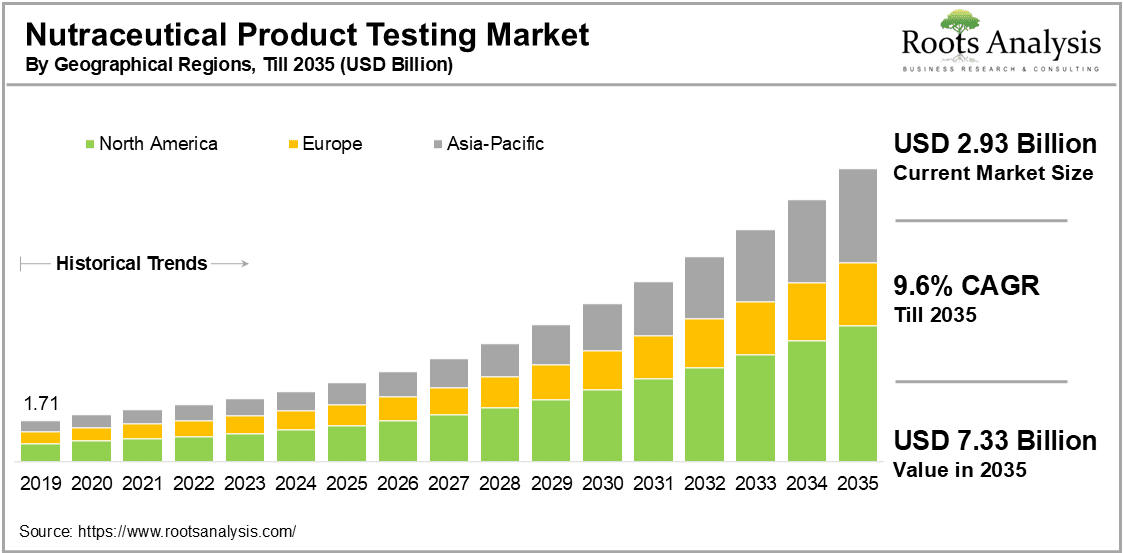
Nutraceutical Product Testing Market by Geographical Regions

To learn more about this report, request a free sample copy

Nutraceuticals are the substances that are sourced from whole foods, plants or animal origins that deliver therapeutic as well as nutritional benefits. The term nutraceutical is derived by combining two words, “nutrition” and “pharmaceutical”. Nutraceuticals provide a combination of nutritional support as well as medicinal properties, making them valuable for enhancing overall well-being and addressing specific health issues.

The prevalence of chronic diseases has significantly increased over the years, raising serious concerns. According to the National Center for Health Statistics, in 2024, around 2 million new cancer cases and 611,720 deaths due to cancer have been reported in the US, with a significant rise in cancer rate predicted in the coming years. This alarming trend underscores the urgent need for effective cancer prevention strategies. Therefore, adopting a healthy lifestyle and diet can play a crucial role in the prevention of cancer. It is worth mentioning that carotenoids and other nutraceuticals possess antioxidant properties and have been linked to the prevention of cancer, diabetes and various other diseases.
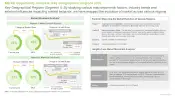
Nutraceutical Product Testing Market List of Service Providers Nutraceutical Product Testing Market Distribution by Type of Ingredient Nutraceutical Product Testing Market Company Competitiveness Analysis

Tap or click on the images for smart insights on Nutraceutical Product Testing Market

Presently, due to safety concerns, stringent regulatory guidelines and the requirement for scientific validations have spurred the need for nutraceutical testing in order to uphold product quality as well as consumer trust. Nutraceutical testing is referred to as the detection and analysis of nutraceuticals in order to ensure their safety, high quality and effectiveness.

This testing involves a range of methodologies including (designed to detect and analyze various components within these products) stability and microbiological testing that requires specialized expertise as it is a complex, cost intensive, and time-consuming process. Therefore, innovators are actively exploring avenues that would enable them to overcome the existing challenges. Among other alternatives, outsourcing these studies to nutraceutical testing labs has emerged as a preferred option.

Nutraceutical testing labs actively explore approaches that enable researchers and scientists to overcome existing challenges in the nutraceutical testing domain. These labs focus on enhancing quality control through raw material testing and adherence to good manufacturing practices. Additionally, advanced nutraceuticals have been found to be effective in the treatment of a variety of ailments. Therefore, by conducting rigorous testing, manufacturers can substantiate health claims and enhance consumer faith in nutraceuticals.
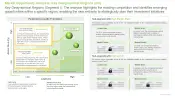
Nutraceutical Product Testing Market Recent Developments Nutraceutical Product Testing Market Vendor Selection Framework Nutraceutical Product Testing Market Overall Market Evolution

Tap or click on the images for smart insights on Nutraceutical Product Testing Market

Advancements in technologies like nanotechnology significantly improve the bioavailability and absorption of active nutraceutical ingredients, thereby maximizing their therapeutic effects. As the global market for nutraceuticals increases, the testing services are anticipated to increase as well. Additionally, due to growing consumer preference for natural health solutions, effective testing becomes crucial in navigating regulatory compliances and addressing public health needs.

Nutraceutical Product Testing Market Segmentation Insights

The market research report presents an in-depth analysis of the various nutraceutical testing services companies, across different segments, as defined in the table below:

Nutraceutical Product Testing Market: Report Attributes / Market Segmentations

Key Report Attributes  Details
Historical Trend Since 2019
Forecast Period Till 2035
Market Size 2035 $ 7.33 Billion
CAGR 9.6%
Type of Service Offered
  • Analytical Testing
  • Microbiological Testing
  • Stability Testing
  • Other Services
Type of Nutraceutical Product
  • Dietary Supplements
  • Functional Foods
  • Functional Beverages
  • Other Nutraceutical Products
Type of Ingredient
  • Vitamins
  • Herbals
  • Probiotics
  • Minerals
  • Enzymes
  • Amino Acids
End Users
  • Nutraceutical Developers
  • Contract Manufacturers
  • Regulatory Bodies and Other End Users
Key Geographical Regions
  • North America
  • Europe
  • Asia-Pacific
Market in North America
  • US
  • Canada
Market in Europe
  • Germany
  • France
  • Switzerland
  • Luxembourg
  • UK
  • Rest of Europe
Market in Asia-Pacific
  • China
  • India
Key Nutraceutical Testing Services 
Companies Profiled
  • Auriga Research
  • Beaconpoint Labs
  • Certified Laboratories
  • Charles River Laboratories
  • Doctors Analytical Laboratories
  • Dyad Labs
  • Element Materials Technology
  • Eurofins Scientific
  • FARE Labs
  • Mérieux NutriSciences
  • RSSL
  • SGS
  • Sigma Test and Research Center
  • SIMA LABS
  • Thermo Fisher Scientific
  • Vimta Labs
(Full list of 80+ companies captured is available in the report)
PowerPoint Presentation
(Complimentary)
Available
Customization Scope 15% Free Customization
Excel Data Packs
(Complimentary)
  • Market Landscape
  • Company Competitiveness Analysis
  • Start-up Ecosystem Analysis
  • Recent Developments Analysis
  • Vendor Selection Framework
  • Market Forecast and Opportunity Analysis
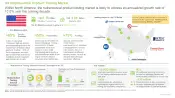
Nutraceutical Product Testing Market Landscape in The US Nutraceutical Product Testing Market Market Movement Analysis Nutraceutical Product Testing Market Penetration Growth

Tap or click on the images for smart insights on Nutraceutical Product Testing Market

One of the key objectives of this market report was to estimate the current market size, opportunity and the future growth potential of the market, over the forecast period. We have provided informed estimates on the likely evolution of the market for the forecast period.

The nutraceutical product testing market analysis also features the likely distribution of the current and forecasted opportunity within the nutraceutical testing services domain across various segments, such as type of service offered (analytical testing, microbiological testing, stability testing and other services), type of nutraceutical product (dietary supplements, functional foods, functional beverages and other nutraceutical products), type of ingredient (vitamins, herbals, probiotics, minerals, enzymes and amino acids), end users (nutraceutical developers, contract manufacturers, regulatory bodies and other end users), key geographical regions (North America, Europe and Asia-Pacific) and leading players.

In order to account for future uncertainties associated with some of the key parameters and to add robustness to our model, we have provided three market forecast scenarios, namely conservative, base, and optimistic scenarios, representing different tracks of industry’s evolution.

The opinions and insights presented in this study were influenced by discussions conducted with multiple stakeholders in this domain. The market report features detailed transcripts of interviews held with the following individuals:

  • Chief Executive Officer, Small Company in the US
  • Chief Executive Officer, Small Company in the US
  • Researcher, Associate Professor, Head of Department (PharmD), University in India
  • Founder, Small Company in India
  • Managing Director, Small Company in India

Notably, all the actual figures have been sourced and analyzed from publicly available information forums and primary research discussions. Financial figures mentioned in this market report are in USD, unless otherwise specified.

Nutraceutical Product Testing Market Share Insights

Market Share by Type of Service Offered

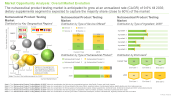
This market report highlights the segmentation of the global nutraceutical product testing market into analytical testing, microbiological testing, stability testing and other services, based on the type of service offered. Currently, the analytical testing segment captures the maximum share (32%) in the overall market and is likely to dominate the market in the future as well, followed by microbiological testing (27%), stability testing (25%) and other services (15%).

Market Share by Type of Nutraceutical Product

The global nutraceutical product testing market is categorized into dietary supplements, functional foods, functional beverages and other nutraceutical products, based on type of nutraceutical product. Currently, the market is driven by the dietary supplements segment (58%). It is worth highlighting that the market for functional foods segment is expected to grow at a relatively high CAGR (10.0%), during the forecast period, till 2035.

Market Share by Type of Ingredient

The global dietary supplements market is further divided into various sub-segments based on the type of ingredient, such as vitamins, herbals, probiotics, minerals, enzymes and amino acids. Currently, the vitamins segment dominates the market, and this trend is unlikely to change in the future as well. This can be attributed to widespread consumer awareness about the importance of vitamin intake, rising demand for preventive healthcare and the relative ease of testing vitamin levels compared to other nutraceutical components.

Market Share by End Users

The global market is segmented into different end users, including nutraceutical developers, contract manufacturers, and regulatory bodies and other end users. Currently, the nutraceutical developers segment captures the maximum (45%) nutraceutical product testing market share and is likely to dominate the market in the future as well. This is due to the critical need of developers to guarantee the quality, safety, and effectiveness of their products prior to market launch. Therefore, nutraceutical developers must conduct regular testing to confirm ingredient integrity, potency, purity, and regulatory compliance. This necessity creates a strong demand for testing services from specialized laboratories.

Market Share by Key Geographical Regions

This segment highlights the distribution of the market for nutraceutical testing services across various geographies, such as North America, Europe and Asia-Pacific. According to our projections, North America is likely to capture the majority (45%) of the current nutraceutical product testing market share, and this trend is unlikely to change in the future. It is worth highlighting that the market in Asia-Pacific is expected to grow at a relatively higher CAGR (11.3%), during the forecast period. This can be attributed to the growing ageing population, rise in awareness of health and wellness and a significant demand for dietary supplements in this region.

Nutraceutical Product Testing Market Key Insights

The “Nutraceutical Product Testing Market: Industry Trends and Global Forecasts, till 2035” market report features an extensive study of the current market landscape, company competitiveness analysis, start-up analysis, recent developments analysis, vendor selection framework and market size and future opportunities within the nutraceutical testing services industry, during the forecast period. The market report highlights the efforts of several stakeholders engaged in this rapidly emerging market segmentation of the pharmaceutical industry. Key takeaways of the market report have been briefly discussed below.

Benefits and Growing Interest in Nutraceutical Product Testing

Nutraceutical testing offers numerous benefits and is therefore experiencing a growing demand in the overall nutraceuticals domain. One of the key advantages of nutraceutical testing is ensuring safety by checking for harmful substances and allergens, validating the efficacy of health claims through scientific evidence and maintaining quality control to guarantee the correct potency of active ingredients. By adhering to established safety and efficacy standards, nutraceutical developers can significantly enhance their likelihood of achieving regulatory compliance, which is critical in the nutraceutical industry. This compliance not only ensures consumer safety but also enhances the marketability and credibility of nutraceutical products.

Key Drivers of Nutraceutical Product Testing Market: Increase in Consumer Awareness and Demand for Preventive Healthcare

One of the key drivers of nutraceutical testing services industry is the rising geriatric population which has spurred the need for advanced nutraceuticals in order to maintain their health. Further, the increasing consumer awareness and demand for preventive healthcare has led to an increase in nutraceutical testing. It is worth mentioning that nutraceutical testing service companies are using various methods, such as chromatography, spectroscopy and immunoassay in order to test nutraceuticals more precisely. Additionally, technological advancements like organs-on-chips (promising alternative to conventional testing procedures) in the nutraceutical testing domain have resulted in the development of targeted and effective nutraceutical products.

Competitive Landscape of Nutraceutical Product Testing Service Providers

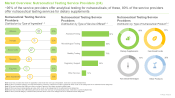
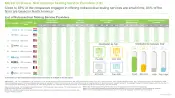
The current market landscape features close to 85 service providers including very large, large, mid-sized and small companies, that claim to have the required expertise to provide services for nutraceutical testing, across different key geographical regions. Notably, 94% of the nutraceutical testing service providers offer analytical testing services, followed by microbiological testing services (80%). In addition to this, close to 95% of the nutraceutical testing service providers claim to use chromatography as a suitable technique for the testing of nutraceuticals.

Market Trends: Increasing Partnerships and Collaborations with and Amongst the Service Providers to Foster Progress and Innovation; Companies Expanding Capabilities

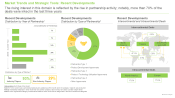
Nutraceutical testing service providers have forged several partnerships with other stakeholders in order to enhance their service portfolios. It is worth highlighting that in the last five years, close to 80% of the partnerships were inked between the companies based in North America and Europe in order to strengthen their nutraceutical testing capabilities. Notably, the majority of the deals signed in this domain are instances of acquisitions of other companies involved in the global market, followed by product development agreements. This can be attributed to the persistent efforts of service providers to further advance the development of their service offerings for different dietary supplements and other nutraceutical products.

Further, nutraceutical testing service providers have expanded their testing facilities in order to support the growing demand for nutraceuticals. In October 2024, SGS has expanded its food and nutraceutical testing capacity to serve the client’s needs and meet the increasing demand. Moreover, in the past five years, this domain has witnessed several investments amounting to USD 2,327 million. Such recent developments in this segment indicate that the service providers are upgrading their capabilities and infrastructure to accommodate the current and anticipated testing demand.

Market Size: Dietary Supplements Segment to Hold the Largest Share of the Nutraceutical Product Testing Market due to Rising Health Consciousness

The global nutraceutical product testing market size is estimated to be worth USD 2.93 billion in the current year. In terms of the type of nutraceutical product, the market size for functional foods is anticipated to grow at a relatively higher CAGR of 10.0% during the forecast period. The market growth is primarily driven by the increase in need for testing due to safety concerns and the necessity for product quality assurance. Further, the rising interest in health consciousness coupled with lifestyle changes is expected to significantly drive the growth of this market.

Regional Analysis: North America Emerged as the Hub of Nutraceutical Product Testing Services

Majority of the nutraceutical testing services companies are headquartered in North America, followed by Asia-Pacific. Notably, the global nutraceutical product testing market in 2035 is anticipated to be dominated by the players based in North America (45%) owing to the fact that various stakeholders in this region are enhancing their service offerings. Further, 27% market share is anticipated to be captured by the players based in Europe. However, market in Asia-Pacific is expected to grow at a relatively high CAGR (11.3%), during the forecast period till 2035.

Key Players in the Nutraceutical Product Testing Market

Examples of key players in nutraceutical testing services industry (which have also been profiled in this market report; the complete list of companies is available in the full report) include Auriga Research, Beaconpoint Labs, Certified Laboratories, Charles River Laboratories, Doctors’ Analytical Laboratories, Dyad Labs, Element Materials Technology, Eurofins Scientific, FARE Labs, Mérieux NutriSciences, RSSL, SGS, Sigma Test and Research Center, SIMA LABS, Thermo Fisher Scientific and Vimta Labs.

Nutraceutical Product Testing Market Report Coverage

  • The market report presents an in-depth analysis, highlighting the capabilities of various stakeholders in the nutraceutical industry, across different geographies. Amongst other elements, the market report includes:
  • A preface providing an introduction to the full market report, Nutraceutical Product Testing Market, till 2035.
  • An outline of the systematic research methodology adopted to conduct this study, covering research assumptions, project and forecast methodologies, primary and secondary research approaches, along with the various analytical frameworks utilized / considered in the report.
  • An overview of various comprehensive methodologies and frameworks used to forecast and analyze nutraceutical product testing market trends. Further, this section discusses the key factors influencing market dynamics and emphasizes the robust quality control framework adopted to ensure transparency and credibility in the insights presented throughout the report.
  • A brief context of the economic factors that impact the overall market for nutraceutical product testing, including currency fluctuations, foreign exchange rates, and known trade barriers. In addition, it evaluates the effects of global recession and inflation on the growth of the market, drawing insights from key historical events to inform decision making in the future.
  • An infographic executive summary of the key insights captured during our research, offering a high-level view of the current state of the nutraceutical product testing market and its likely evolution in the short to mid and long term.
  • A general overview of nutraceuticals, highlighting what nutraceuticals are and their potential benefits. Further, the report highlights the classification of nutraceuticals and their testing processes. Moreover, it includes regulatory guidelines related to nutraceutical testing and its importance. In addition, this section also provides a brief discussion on the likely future trends and the potential of nutraceutical industry.
  • A detailed assessment of market landscape of nutraceutical testing service providers offering testing services for nutraceuticals, based on several relevant parameters, including regulatory accreditations clinical laboratory improvement amendments (CLIA), national sanitation foundation (NSF), good laboratory practice (GLP), good manufacturing practice (GMP) / current good manufacturing practice (cGMP), international organization for standardization (ISO) and national accreditation board for testing and calibration laboratories (NABL)), type of ingredient (herbal, vitamin, mineral, amino acid, enzymes and other ingredients), type of services offered (stability testing, analytical testing, microbiological testing, regulatory support and other services), type of testing method used (chromatography, spectroscopy, immunoassay and other testing methods) and type of nutraceutical products (dietary supplements, functional foods, functional beverages and other products). In addition, this section provides a detailed list of nutraceutical testing service providers, along with analysis based on various parameters, such as year of establishment, company size (in terms of number of employees), location of headquarters (North America, Europe and Asia-Pacific).
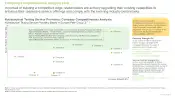
  • An in-depth company competitiveness analysis of the nutraceutical testing service providers, based on several relevant parameters, such as the company strength (in terms of years of experience and company size) and service portfolio strength (in terms of type of ingredient, type of service offered, type of testing method used and type of nutraceutical products).
  • An insightful start-up ecosystem analysis of the leading start-ups in the nutraceutical testing domain, based on several relevant parameters, such as the company strength (in terms of years of experience and company size) and service portfolio strength (in terms of type of ingredient, type of service offered, type of testing method used and type of nutraceutical products). It also provides benchmarking analysis and a heat map representation of these start-ups.
  • Elaborate profiles of prominent players based in North America that are engaged in offering nutraceutical testing services, featuring information on their year of establishment, location of headquarters, company size (in terms of number of employees), leadership team, financial information (if available), nutraceutical service portfolio, recent developments and an informed future outlook.
  • Elaborate profiles of prominent players based in Europe that are engaged in offering nutraceutical testing services, featuring information on their year of establishment, location of headquarters, company size (in terms of number of employees), leadership team, financial information (if available), nutraceutical service portfolio, recent developments and an informed future outlook.
  • Elaborate profiles of prominent players based in Asia-Pacific that are engaged in offering nutraceutical testing services, featuring information on their year of establishment, location of headquarters, company size (in terms of number of employees), leadership team, financial information (if available), nutraceutical service portfolio, recent developments and an informed future outlook.
  • A detailed analysis of recent developments in the nutraceutical industry, providing information on partnerships inked between stakeholders in the nutraceutical testing services industry, along with analysis based on several parameters, such as year of partnership, type of partnership, type of partner and most active players (in terms of the number of partnerships signed) and regional distribution of partnership activity, since 2019. In addition, this section also includes a detailed assessment of the funding and investments undertaken by various service providers to enhance nutraceutical testing capabilities, since 2019, including venture capital financing, capital raised from IPOs and subsequent offerings, at various stages of development in companies that are engaged in this field.
  • A case-study on nutraceutical contract manufacturers featuring insightful analysis based on several relevant parameters, including year of establishment, location of headquarters, number of manufacturing facility, type of product manufactured (dietary supplements, functional foods and beverages), type of dosage form (tablets, capsules, powders, liquids, energy bars and other forms) and type of primary packaging (glass / plastic bottles, sachets / pouches, blister packs, vials and other packaging).
  • An in-depth analysis of the factors that can impact nutraceutical product testing market growth. It also features identification and analysis of key drivers, potential restraints, emerging opportunities, and existing challenges.
  • A detailed market forecast analysis in order to estimate the existing market size and future opportunity in the nutraceutical testing services industry. Based on multiple parameters, such as likely adoption trends and thorough primary validations, we have provided an informed estimate on the market evolution during the forecast period, till 2035. Further, in order to account for future uncertainties and to add robustness to our model, we have provided three forecast scenarios, namely conservative, base, and optimistic scenarios, representing different tracks of the industry’s growth.
  • Detailed projections of the current and future nutraceutical product testing market across various types of services offered, such as analytical testing, microbiological testing, stability testing and other services.
  • Detailed projections of the current and future nutraceutical product testing market across different types of nutraceutical products, such as dietary supplements, functional foods, functional beverages and other nutraceutical products.
  • Detailed projections of the current and future market for nutraceutical product testing across different types of ingredients, such as vitamins, herbals, probiotics, minerals, enzymes and amino acids.
  • Detailed projections of the current and future nutraceutical product testing market across various end users, such as nutraceutical developers, contract manufacturers, and regulatory bodies and end users.
  • Detailed projections of the current and future market for nutraceutical product testing across geographies, such as North America, Europe and Asia-Pacific.
  • Detailed discussion on the key nutraceutical testing service providers in nutraceutical industry, highlighting their service portfolio and annual revenues of companies.
  • Detailed discussion on the adjacent market analysis, highlighting key markets that companies can target, to expand their offerings beyond nutraceuticals, by taking into consideration several relevant parameters.
  • A qualitative porter’s five forces analysis, highlighting the five competitive forces prevalent in the nutraceutical product testing market, including threats for new entrants, bargaining power of buyers, bargaining power of suppliers, threats of substitute products and rivalry among existing competitors.
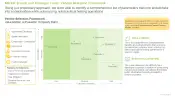
  • An insightful vendor selection framework highlighting the parameters that should be considered when outsourcing nutraceutical testing service operations. The analysis is designed to enable the companies to evaluate a vendor for outsourcing nutraceutical testing service operations.

Recent Developments In Nutraceutical Product Testing Market

Several recent developments have taken place in the field of nutraceutical testing services, some of which have been outlined below. These developments, even if they took place post the release of our market report, substantiate the overall nutraceutical product testing market trends that we have outlined in our analysis.

  • In April 2026, The Future Nutra Foundation launched a nonprofit initiative to provide independent testing of dietary supplements, starting with electrolyte products. The organization tested 15 brands using ISO 17025-accredited labs, publishing free results to improve transparency, label accuracy, and quality standards across the $250 billion nutraceutical industry.
  • In March 2026, Prenetics entered into a collaboration with Superpower with an aim to integrate clinical-grade blood diagnostics with personalized supplementation. The collaboration creates a testing-driven feedback loop enabling consumers to measure supplement efficacy through biomarker testing, reflecting growing convergence between nutraceutical products and diagnostic testing technologies for precision health and validation.
  • In February 2026, SGS announced the acquisition of Murray-Brown Laboratories with an aim of expanding food safety and nutraceutical testing capabilities in North America. The deal enhances microbial and analytical chemistry testing, including pesticide and mycotoxin detection.
  • In January 2026, Certified Laboratories was approved as an Amazon Testing, Inspection, and Certification provider for dietary supplements. The designation enables laboratory testing and cGMP verification required under Amazon’s updated supplement compliance policy, mandating third-party testing for products sold on the platform, thereby increasing demand for accredited nutraceutical testing services.

Author(s): Parneet Kaur, Manoti Vyas and Aashima Bhalla

Frequently Asked Questions

What are nutraceuticals?

Nutraceuticals are foods or food components designed to offer health benefits, including the prevention or treatment of diseases.

What is the market potential for nutraceuticals?

The nutraceutical product testing market size is currently estimated to be USD 2.93 billion and is projected to reach USD 7.33 billion in 2035.

What is the CAGR of nutraceutical product testing market?

The global market for nutraceutical product testing is expected to grow at a CAGR of 9.6% till 2035.

Which key geographical segment is likely to capture majority share in the nutraceutical product testing market, by 2035?

North America is likely to capture more than 45% of the market share in the next decade.

How big is the nutraceutical product testing market in the US?

The market size in the US is currently estimated to be USD 1.16 billion in 2025.

Which are the leading companies offering nutraceutical testing services?

Auriga Research, Beaconpoint Labs, Certified Laboratories, Charles River Laboratories, Doctors Analytical Laboratories, Dyad Labs, Element Materials Technology, Eurofins Scientific, FARE Labs, Mérieux NutriSciences, RSSL, SGS, Sigma Test and Research Center, SIMA LABS, Thermo Fisher Scientific and Vimta Labs.

What are the factors driving the nutraceutical product testing market?

The nutraceutical product testing industry is driven by increasing health consciousness among consumers, stricter regulatory compliance requirements and advancements in testing technologies.