
Lowest Price Guaranteed
Pages
257
Last Updated
September 2026
View Count
18440
The global super generics market, valued at USD 90.9 billion in 2025, is projected to reach USD 98.8 billion in 2026 and USD 199.5 billion by 2035, with a 8.12% CAGR during the forecast period 2026 to 2035.
 |
To learn more about this report, request a free sample copy
The new research study consists of super generics market trends, detailed super generic drugs market landscape, technology landscape, likely drug analysis, SWOT analysis, and market forecast and opportunity analysis. The super generics market growth over the next decade is likely to be the result of anticipated increase in regulatory support, patent expirations, healthcare costs, therapeutic innovation, and ongoing technological advancements.
In the pharmaceutical industry, super generic drugs represent improved versions of an original pharmaceutical drug that have lost their patent exclusivity. These modified pharmacological interventions are commonly referred to as complex generics / value added generics. These enhanced versions are readily available in the market as generic alternatives to their branded drugs. Interestingly, in 2022, the US FDA approved more than 32,000 generic drug products, 91% of all prescriptions in the United States are filled as generic drugs.
The improved super generics may enable enhancements in drug delivery, manufacturing processes and reformulation techniques. This value-added segment operates within a framework of continuous innovation, presenting lucrative opportunities in the pharmaceutical market landscape. Super generic drugs are granted a form of marketing exclusivity (for a period of 3-7 years), enabling their developers to generate relatively high profit margins, compared to conventional generics. Regulatory agencies such as the FDA in the United States or the EMA in Europe review these studies and grant approval for drugs to enter the super generics market.
The development of super generic drugs involves rigorous research and development processes to ensure their safety, efficacy, and quality. Industry players invest in extensive preclinical and clinical studies to demonstrate bioequivalence or therapeutic equivalence to the reference brand-name drug. As more generic drugs get approved by regulators across the globe, the competition in the industry is likely to increase.
The most evident impact of this competition is deflation of the cost of generics, resulting in diminished profit margins for the developers of such products. Therefore, to ensure sustainable growth within the off-patent drug products market, companies are gradually adopting innovative drug alteration techniques to develop value added medicinal products, which offer better commercial benefits. Retail pharmacies offer a diverse selection of generic options, providing consumers with opportunities to reduce healthcare expenses.
Furthermore, in numerous European countries, pharmacists have the authority to substitute brand-name prescriptions with generic equivalents unless otherwise specified by a healthcare provider. Retail pharmacies and online pharmacies serve as key resources for patients seeking information about their medications, offering guidance on the benefits and distinctions between super generics and standard generics.
 |
 |
 |
The super generics market report presents an in-depth analysis of the various companies that are involved in the super generics market, across different segments, as defined in the table below:
| Key Report Attribute | Details | |
| Historical Trend | Since 2018 | |
| Forecast Period | Till 2035 | |
| Market Size 2026 | USD 98.8 billion | |
| Market Size 2035 | USD 199.5 billion | |
| Growth Rate | 8.12% | |
| Therapeutic Area |
|
|
| Route of Administration |
|
|
| Type of Molecule |
|
|
| Type of Small Molecule |
|
|
| Type of Product |
|
|
| Geography |
|
|
| Leading Market Players |
|
|
| PowerPoint Presentation (Complimentary) |
Available | |
| Customization Scope | 15% Free Customization | |
| Excel Data Packs (Complimentary) |
|
|
 |
 |
 |
One of the key objectives of this market report was to estimate the super generic drugs market trends, current market size, opportunity and the future growth potential for the super generics market, over the forecast period. Based on multiple parameters, likely adoption trends and through primary validations, we have provided an informed estimate on the market evolution during the forecast period, till 2035.
The super generic drugs market analysis also features the likely distribution of the current and forecasted opportunity within this market across various segments, such as therapeutic area (cardiovascular disorders, metabolic disorders, neurological disorders, oncological disorders, respiratory disorders and other disorders), route of administration (intravenous, oral, subcutaneous and others), type of molecule (small and other molecules) type of small molecule (generics and other small molecules), type of product (aerosols, capsules, prefilled syringes, tablets, vials and other products) and key geographical regions (North America, Europe, Asia-Pacific and Rest of the World). In order to account for future uncertainties and to add robustness to our model, we have provided three market forecast scenarios, namely conservative, base and optimistic scenarios, representing different tracks of the industry’s growth.
Further, all actual figures have been sourced and analyzed from publicly available information forums and primary research discussions. Financial figures mentioned in this market report are in USD, unless otherwise specified.
The global super generics market is segmented into cardiovascular disorders, metabolic disorders, neurological disorders, oncological disorders, respiratory disorders and other disorders. The oncological disorders currently capture the highest share and is expected to remain dominant during the forecast period. This can be attributed to increasing cancer prevalence, patent expiration of oncology drugs and advancements in drug delivery technologies driving the adoption of super generic drugs in cancer treatment.
Based on the route of administration, the global super generics market is categorized into intravenous, oral, subcutaneous and others. The market for super generics offering treatment by oral route of administration currently holds the maximum share and this trend is expected to remain same during the forecast period. This can be primarily due to the convenience, patient preference and availability of oral formulations for a wide range of therapeutic indications.
Based on the type of molecule, the global super generics market is segmented into small and other molecules. The market for small molecules is anticipated to occupy the largest market share in the overall super generics market. This can be attributed to the favourable characteristics of small molecules, versatility in targeting various diseases and established regulatory pathways for approval, facilitating their widespread adoption across therapeutic areas.
Based on the type of small molecule, the super generics market is segmented into complex generics and other small molecules. Presently, the market is dominated by sales revenues generated from complex generics. This can be attributed to their advanced formulations or delivery systems, which often offer improved efficacy or safety compared to traditional generics. Additionally, complex generics may have longer periods of market exclusivity due to the complexity associated with their development, providing manufacturers with greater sales revenue opportunities. Overall, the dominance of complex generics in the super generics market underscores their importance in addressing unmet medical needs and driving super generic drugs market growth. This trend is unlikely to change in the near future.
Based on the type of product, the super generics market is segmented into aerosols, capsules, prefilled syringes, tablets, vials and others. Presently, the super generics market is dominated by sales revenues generated from tablets, followed by capsules. This can be attributed to the widespread acceptance, convenience, and versatility of tablets and capsules as dosage forms, offering ease of administration, precise dosing, and longer shelf lives compared to other dosage forms.
This segment highlights the distribution of global super generics market across various geographies, namely North America, Europe, Asia-Pacific, and Rest of the World. According to our projections, the super generics market in North America is likely to capture the majority (55%) of the share. It is worth highlighting that the market in Rest of the World is expected to grow at a relatively higher CAGR (14%), during the period, till 2035.
The “Super Generics Market, Till 2035: Distribution by Therapeutic Area (Cardiovascular Disorders, Metabolic Disorders, Neurological Disorders, Oncological Disorders, Respiratory Disorders and Other Disorders), Route of Administration (Intravenous, Oral, Subcutaneous and Others), Type of Molecule (Small and Other Molecules), Type of Small Molecule (Generics and Other Small Molecules), Type of Product (Aerosols, Capsules, Prefilled Syringes, Tablets, Vials and Other Products) and Key Geographical Regions (North America, Europe, Asia-Pacific and Rest of the World), and Leading Players: Industry Trends and Global Forecasts” report features an extensive study of the current market landscape, market size and future opportunities associated with super generic drugs market size, during the given forecast period. Further, the market report highlights the efforts of several stakeholders engaged in this rapidly emerging segment of the pharmaceutical industry. Key takeaways of the super generics market report are briefly discussed below.
Super generics / value added drugs offer numerous advantages over traditional generic drugs. By incorporating advanced drug delivery systems, novel formulations, and therapeutic modifications they enhance efficacy, safety, and patient compliance. These advanced formulations also improve the bioavailability of active pharmaceutical ingredients, ensuring better absorption and distribution in the body, thereby potentially enhancing treatment outcomes. Moreover, super generics have longer periods of market exclusivity due to their enhanced formulations or delivery systems, providing manufacturers with a competitive advantage and the potential for higher sales revenues. Additionally, super generics offers unique features such as extended-release formulations, combination therapies, or alternative routes of administration. This allows them to cater to specific patient needs and preferences more effectively.
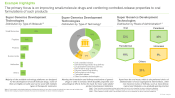
The market landscape of super generic drugs is dynamic and diverse, with close to 270 super generic drugs developed by various industry players across different regions. These drugs are designed to provide therapeutic alternatives to branded drugs that have lost patent protection. Super generic drugs can be administered through various routes of administration, such as oral (tablets, capsules), intravenous (IV infusions), intranasal (nasal sprays), ophthalmic (eye drops), subcutaneous (injections), topical (creams, gels).
This diversity allows healthcare providers to tailor treatment regimens to individual patient needs, enhancing patient adherence and treatment outcomes. Overall, the market landscape of super generic drugs is characterized by innovation, competition, and affordability, providing patients with access to high-quality and cost-effective treatment options for a wide range of disease indications.
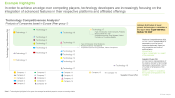
In addition to the aforementioned super generic drugs, close to 70 super generic technologies have also been developed. These technologies play a crucial role in the development and manufacturing of super generic drugs, contributing to their efficacy, safety, and affordability. Super generic technologies encompass a range of innovations and advancements in drug delivery systems, formulation techniques, manufacturing processes, and quality control methods, ultimately enhancing the overall quality and accessibility of generic pharmaceutical products.
Driven by patent expirations, advancements in technology and manufacturing processes, and increasing demand for affordable healthcare, the super generics market is anticipated to grow at a CAGR of 8.12% during the forecast period. Super generics offer therapeutic alternatives to branded drugs at lower costs, making them attractive options for patients and healthcare systems. This growth trajectory highlights the rising importance of super generics in addressing global healthcare needs and providing accessible treatment options for patients which plays a crucial role in driving the growth of the super generics market.
Presently, North America captures 55% of the overall super generics market size, with a growing preference for super generic drugs due to regulatory guidance and early FDA approvals. Additionally, the presence of major pharmaceutical companies and research institutions in North America drives innovation and facilitates the introduction of new super generic products to the market. It is worth highlighting that, in the coming years, countries based in rest of the world are expected to experience higher growth in super generics adoption. This higher growth rate can be attributed to the changing demographic trends and healthcare needs owing to the aging population and rise in chronic diseases that create a growing demand for affordable treatment options. This region is likely to grow at a higher CAGR (14%) as compared to other regions.
Examples of key players involved in super generics market (which have also been profiled in this market report; the complete list of companies is available in the full report) include Accord Healthcare Alcon Laboratories, Ascendia Pharmaceuticals, Azurity Pharmaceuticals, Baxter, CritiTech, Crossject, DelSiTech, Dr. Reddy’s Laboratories, Exela Pharma Sciences, Harrow Health, Heron Therapeutics, Hikma Pharmaceuticals, Intellipharmaceutics International, Kashiv BioSciences, Latitude Pharmaceuticals, Mayne Pharma, meda pharmaceuticals, Neurelis, Rubicon Research, Sun Pharmaceutical Industries, Taiwan Liposome Company and Tesa Labtec and Teva Pharmaceutical. This market report includes an easily searchable excel database of all the companies engaged in the super generics market worldwide.
The super generics market report presents an in-depth analysis, highlighting the capabilities of various stakeholders engaged in this industry, across different geographies. Amongst other elements, the market research report includes:
 |
 |
 |
Several recent developments have taken place in the field of super generics. We have outlined some of these recent initiatives below. These developments, even if they took place post the release of our market report, substantiate the overall market trends that have been outlined in our analysis.