AI in Drug Discovery Market (3rd Edition) by Application (Target Identification / Validation, Hit Generation / Lead Identification and Lead Optimization), Type of AI Technology, Drug Type (Small Molecules and Biologics), Deployment Mode (Cloud-based, On-premises and SaaS-based), Therapeutic Area, End User (Pharma and Biotech Companies, Contract Research Organizations, and Research and Academic Institutions), and Geographical Regions - Trends and Forecast, 2026-2035
Market Outlook
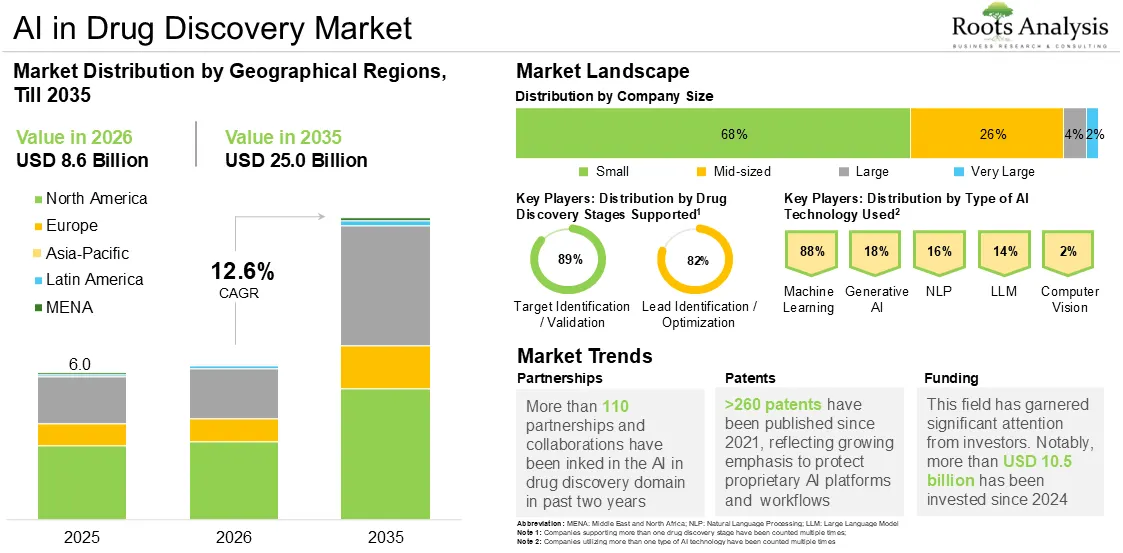
The global AI in drug discovery market, valued at USD 6.0 billion in 2025, is projected to reach USD 8.6 billion in 2026 and USD 25.0 billion by 2035, representing a CAGR of 12.6% during the forecast period 2026 to 2035.
See What’s in the Full Report – Request Your Complimentary Insights!
Market Report: Key Takeaways
Market Size & Trends
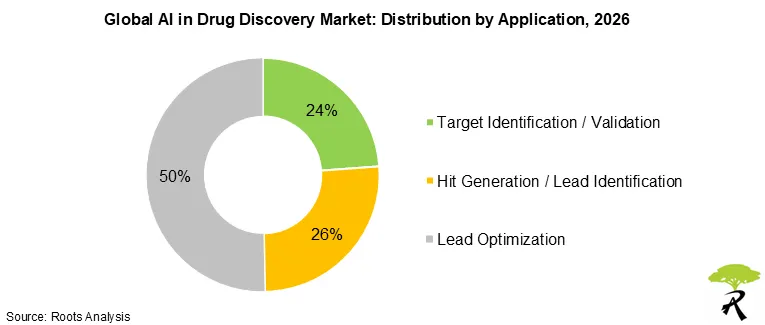
In terms of application, lead optimization holds the largest share (around 50%) of the current market.
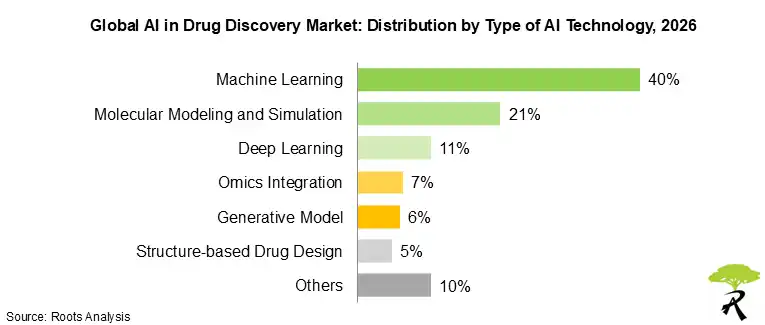
With respect to the type of AI technology, machine learning dominates the current market, accounting for 40% revenue share.
In terms of drug type, small molecules hold the largest share within the current AI in drug discovery market.
Based on the deployment mode, cloud-based deployment dominates the current market.
Based on the therapeutic area, oncological disorders capture the largest share of the current market, and the trend is unlikely to change in the future.
Among end users, pharma and biotech companies are likely to sustain their dominance through 2035 in the AI in drug discovery industry.
In terms of geographical regions, North America dominates the global AI in drug discovery market by securing the largest market share in the current year.
Key Market Statistics
Market Size in 2026: $8.6 Billion
Estimated Market Size in 2035: $25.0 Billion
CAGR (2026-2035): 12.6%
North America: Largest market in 2026
Asia-Pacific: Fastest growing region
Market Introduction
The use of AI tools and platforms in drug discovery is witnessing rapid growth, primarily driven by escalating R&D expenditures and the growing need for innovative therapeutic solutions. The increasing prevalence of chronic conditions, such as cancer, neurological disorders, cardiovascular diseases, and infectious diseases, presents substantial clinical and economic burdens. These challenges are putting pressure on healthcare providers worldwide to develop faster, more effective, and cost-efficient treatment options. Moreover, demographic transition towards an aging population further amplifies these concerns, compelling pharmaceutical and biotechnology companies to integrate artificial intelligence in healthcare and leverage AI-driven drug development platforms in their R&D frameworks.
These AI-driven platforms enhance efficiency across target identification, lead generation, and optimization processes, thereby overcoming key limitations of conventional drug discovery methods, including lengthy development cycles and high attrition rates. Moreover, AI platforms are increasingly being used to analyze vast multi-omics datasets and support applications such as virtual screening, de novo molecule design, and predictive toxicology. The increasing focus towards such capabilities is enabling researchers to identify drug candidates with improved efficacy and safety profiles at an early stage of discovery.
As these platforms become more integrated across discovery workflows, the market is progressing from AI-assisted screening toward AI-native drug design, where AI systems play a central role in creating novel molecules, antibodies, proteins, and therapeutic candidates from the earliest stages of discovery. Companies such as Isomorphic Labs, Insilico Medicine, and Generate are increasingly using AI as a core discovery engine rather than an analytical support tool. For instance, Insilico Medicine announced the recent advancement of ISM001-055 (drug candidate developed using generative AI) into Phase II trials for idiopathic pulmonary fibrosis, demonstrating growing industry confidence in these technologies for reducing drug development timelines.
Consequently, AI-driven solutions are becoming the preferred choice for early-stage discovery among biotech firms and major pharmaceutical companies. Moreover, platform providers are integrating advanced features like multimodal large language models (LLMs) for data extraction, cloud-based workflows, and precision analytics for patient stratification. Sustained investments and strategic collaborations underscore robust market momentum, driving the growth of the AI in drug discovery market size over the foreseen future.
Your Business is Unique – Why Shouldn’t Your Report Be?
Leading Companies in AI in Drug Discovery Market
Company
YoE
HQ (Region)
Type of AI Technology Used
Application
Type of Molecule Analyzed
BenevolentAI
2013
Europe
ML (Deep Learning) and LLM
Target Identification/Validation, Lead ID/Optimization
Small Molecules and Biologics
Collaborations Pharmaceuticals
2015
North America
ML (Deep Learning, Supervised Learning, Reinforcement Learning)
Target Identification/Validation, Lead ID/Optimization
Small Molecules
Genialis
2015
North America
ML
Target Identification/Validation, Lead ID/Optimization
Small Molecules
Healx
2014
Europe
ML (Deep Learning) and NLP
Target Identification/Validation, Lead ID/Optimization
Small Molecules
Insilico Medicine
2014
North America
ML (Deep Learning, Reinforcement Learning) and Generative AI
Target Identification/Validation, Lead ID/Optimization
Small Molecules
Optibrium
2009
Europe
ML (Deep Learning)
Lead Identification / Optimization
Small Molecules
XtalPi
2015
Asia-Pacific
ML (Deep Learning), and LLM
Lead Identification / Optimization
Small Molecules and Biologics
Abbreviations: YoE: Year of Establishment; HQ: Headquarters; ML: Machine Learning; LLM: Large Language Model, NLP: Natural Language Processing
Market Segmentation
Based on market research, we have segmented the AI in Drug Discovery Market into application, type of AI technology, drug type, deployment mode, therapeutic area, end user, and geographical regions.
By Application
Target Identification / Validation
Hit Generation / Lead Identification
Lead Optimization
By Type of AI Technology
Machine Learning
Molecular Modelling and Simulation
Deep Learning
Omics Integration
Generative Model
Structure-based Drug Design
Others
By Drug Type
Small Molecules
Biologics
By Deployment Mode
Cloud-based
On-premises
SaaS-based
By Therapeutic Area
Oncological Disorders
Cardiovascular Diseases
Musculoskeletal Diseases
Neurological Disorder
Respiratory Disorders
Immunological Disorders
Gastrointestinal Disorders
Endocrine Disorders
Blood Disorders
Ophthalmological Disorders
Dermatological Disorders
Infectious Diseases
Urinary Disorders
By End User
Pharma and Biotech Companies
Contract Research Organizations
Research and Academic Institutions
By Geographical Regions
North America
US
Canada
Europe
UK
Germany
France
Spain
Italy
Rest of Europe
Asia-Pacific
China
Japan
South Korea
Australia
India
Middle East and North Africa
Saudi Arabia
UAE
Egypt
Latin America
Brazil
Mexico
Argentina
Pay Only for What You Need – The Best Way to Optimize
AI in Drug Discovery Market Key Insights
What Factors are Driving Market Expansion?
Escalating R&D Investments: AI in pharmaceuticals discovery has attracted substantial venture capital investments in recent years, particularly for platforms demonstrating enhanced target identification, molecular interaction prediction, and lead compound optimization. This robust investment trajectory is likely to act as a pivotal driver for sustained market expansion throughout the forecast period.
Expanding Biomedical Datasets: The growing volume of biomedical data from genomics, proteomics, and real-world evidence creates substantial opportunities for machine learning drug discovery. AI platforms excel in pattern recognition across these datasets, uncovering novel targets and enabling drug repurposing, thereby accelerating adoption among biotech firms seeking data-driven efficiency.
What are the Main Challenges for AI in Drug Discovery Market Growth?
Data Integration Complexities: Severalcompanies in the pharmaceutical industry are facing data integration challenges from diverse sources like genomics databases, proteomics repositories, and preclinical assays stored in different formats. This fragmentation complicates AI-driven analysis across discovery pipelines, hindering multi-omics processing and actionable insights for target identification and lead optimization. Standardization initiatives and unified data frameworks are essential to fully harness AI platforms for drug discovery.
Lack of Standardized Regulatory Frameworks: The lack of consistent regulatory guidelines is restricting AI adoption across drug discovery pipelines. The concerns associated with data security, privacy, and intellectual property protection for proprietary biomedical and chemical data demand clearer frameworks. As a result, companies restrict access to critical datasets, such as compound libraries and clinical testing outcomes, thereby limiting collaborative model refinement and reducing insights for lead generation.
What are the Technological Advancements in AI in Drug Discovery Domain?
As per our AI in drug discovery market analysis, platform providers are increasingly deploying generative AI and deep learning-based platforms with reinforcement learning to design novel molecules. These tools evaluate billions of candidates within days against complex CNS and immunology targets, signaling a transition from conventional trial-and-error approaches to data-driven drug development.
Notable examples of platforms validating the ongoing technological shift in this industry include PandaOmics (Insilico Medicine), ASCEND (BenchSci) and Recursion OS, which offer integrated multimodal LLMs to extract insights from patents and clinical trials alongside hybrid quantum models for enhanced protein simulations. These advancements accelerate target validation and predictive modeling, enabling more precise molecule optimization and reduced discovery timelines through seamless integration of diverse data modalities.
Big Pharma is Moving from Pilots to Billion-Dollar Partnerships
Pharmaceutical companies are increasingly moving beyond small-scale AI pilots toward large strategic collaborations that embed AI platforms into core drug discovery programs. For instance, in February 2026, Takeda entered into a multi-year partnership worth over USD 1.7 billion with Iambic to use AI for designing small-molecule drugs targeting cancer and gastrointestinal diseases. Similarly, in March 2026, Eli Lilly expanded its collaboration with Insilico Medicine in a deal worth up to USD 2.75 billion to leverage Insilico’s AI engine for preclinical oral therapies. These high-value agreements reflect growing confidence among large pharmaceutical companies in AI-enabled discovery platforms and are likely to accelerate the adoption of AI-native drug development models across the industry.
Recent Developments in AI in Drug Discovery Market
In June 2026, Nxera Pharma joined OpenFold, an AI research consortium focused on open-source tools for biology and drug discovery. Through the consortium, Nxera aims to strengthen its AI-enabled GPCR drug discovery capabilities, benchmark structural prediction models and improve progression from target validation to clinical development.
In June 2026, Owkin entered into a multi-year collaboration with Sanofi to co-develop AI-driven biopharma agents through K Pro, Owkin’s AI Scientist platform. The collaboration builds on the companies’ existing oncology and immunology work and aims to help Sanofi accelerate decision-making across drug discovery and development workflows.
In June 2026, DaltonTx launched Dalton, an agentic AI-enabled drug discovery platform, and entered into a collaboration with Sygnature Discovery. As part of the collaboration, Sygnature will evaluate the platform across a legacy oncology program to assess whether AI-supported decision-making can reduce synthesis burden and improve candidate selection efficiency.
In May 2026, Quotient Sciences initiated a Phase I clinical study of an AI-designed oral formulation. The study aims to validate the use of AI in formulation design and highlights the growing role of machine learning in accelerating drug product development and improving early clinical decision-making.
Industry Experts on AI in Drug Discovery Market
The market for AI in drug discovery has a transformative future and is likely to remain progressive in the future. Reflecting this shift, James Halle (Chief Commercial Officer of Optibrium),stated that, “Nearly every biotech and biopharma company is exploring or deploying AI in some capacity. However, very few can quantify the value they are generating from these initiatives. At Optibrium, we prioritize proving measurable impact; for example, recent projects using Cerella demonstrated a 70–80% reduction in synthetic and experimental effort. Alternatively, companies could evaluate two to four times more compounds with the same budget”
Discussions with multiple stakeholders in this domain influenced the opinions and insights presented in this study. The market report includes transcripts of the following discussions:
Co-founder, Chairman and Chief Executive Officer, Small Company, US
Chief Executive Officer and Co-Founder, Small Company, Israel
Chief Commercial Officer and Chief Product Officer, Small Company, UK
Chief Executive Officer, Small Company, UK
Chief Commercial Officer, Mid-sized Company, UK
Chairman, Small Company, US
Head Researcher, Mid-sized Company, South Korea
In addition, the market report includes transcripts of the following other third-party discussions:
Founder, Chief Executive Officer, Small Company, India
Chief Executive Officer, Mid-sized Company, US
Chief Executive Officer, Small Company, US
Chief Executive Officer and Chief AI and Innovation Officer, Small Company, US
Chief R&D Officer and Chief Commercial Officer, Large Company, US
Chief Corporate Development and Strategy Officer, Mid-sized Company, UK
Co-founder and Chair of the Scientific Advisory Board, Small Company, US
Former Non-Executive Director, Mid-sized Company, UK
Principal Consultant, Data and AI, Large Company, US
Technical and Sales Manager, Mid-sized Company, UK
Market Share Insights
Which Application accounts for the Largest Share?
Based on application, the global AI in drug discovery market is segmented into target identification / validation, hit generation / lead identification, and lead optimization. Across related applications, fragment based drug discovery screens low-molecular-weight fragments to establish efficient starting points for lead optimization.
Currently, lead optimization accounts for around 50% of the overall AI in drug discovery market size. This dominance is primarily driven by the highly iterative nature of the lead optimization process, where researchers must evaluate and refine large numbers of candidate molecules before selecting a clinical development candidate. AI-driven platforms enable predictive modeling, virtual screening, and rapid evaluation of molecular properties, allowing researchers to prioritize the most promising candidates while reducing experimental burden. As pharmaceutical companies continue to focus on reducing development timelines and lowering experimental costs, adoption of AI-enabled lead optimization platforms is expected to accelerate.
It is worth highlighting that the market for target identification / validation is expected to witness significant growth during the forecast period. Advances in data analytics and the growing availability of biological and genetic datasets are enabling AI platforms to identify novel disease targets more efficiently than traditional approaches. As pharmaceutical companies increasingly focus on identifying high-potential therapeutic targets earlier in the drug discovery process, the demand for AI-driven target identification / validation platforms is expected to increase substantially.
Which AI Technology captures the Largest Share of AI in Drug Discovery Market?
Based on the type of AI technology, the global AI in drug discovery market is segmented into machine learning, molecular modeling and simulation, deep learning, omics integration, generative models, structure-based drug design, and others.
Machine learning currently accounts for 40% of the current market share. Its leadership can be attributed to its broad applicability across multiple stages of the drug discovery process, ranging from target identification and compound screening to lead optimization and candidate selection. Unlike several emerging AI technologies that are often deployed for specific use cases, machine learning platforms can analyze large and diverse datasets to identify patterns, predict molecular properties, and support decision-making throughout the drug development lifecycle. Further, the availability of established algorithms, growing computational capabilities, and increasing access to biological and chemical datasets have accelerated the adoption of machine learning across the pharmaceutical industry.
The deep learning segment is expected to witness the highest growth during the forecast period. This growth is driven by industry’s increasing focus on complex drug discovery programs involving novel targets, biologics, and precision medicine approaches. Unlike traditional analytical models, deep learning models can analyze intricate biological relationships and support the development of sophisticated predictive and generative drug discovery tools. Further, advancements in computing infrastructure and AI model architecture are enabling broader adoption of deep learning across applications such as protein structure prediction, molecular design, and biological pathway analysis, creating significant opportunities for future market expansion.
Amongst Small Molecules and Biologics, Which Segment holds the Largest Share in the AI in Drug Discovery Market?
Based on the drug type, the AI in drug discovery market is segmented into small molecules and biologics.
Small molecules currently hold the majority share of the market. This dominance is due to the long-established role of small molecules within the pharmaceutical industry and the vast volume of historical chemical, biological, and clinical data available for AI model development. Unlike biologics, small molecules typically involve well-defined molecular structures and established drug discovery workflows, making them the ideal choice for computational modeling and virtual screening approaches.
Further, pharmaceutical companies continue to prioritize small molecule programs due to their scalability, manufacturing feasibility, and broad applicability across multiple therapeutic areas. As a result, AI technologies have been widely integrated into small molecule discovery workflows to improve candidate selection, optimize molecular properties, and accelerate early-stage drug development.
Biologics are expected to witness faster growth during the forecast period. This growth is driven by increasing industry interest in complex therapeutic modalities, including monoclonal antibodies, engineered proteins, and other advanced biologic products. As researchers seek to address disease targets that are often difficult to modulate using conventional small molecules, AI platforms are increasingly being utilized to support biologics design, protein engineering, and candidate optimization.
Which Deployment Mode Holds the Largest Share within the AI in Drug Discovery Market?
Based on deployment mode, the AI in drug discovery market is segmented into cloud-based, on-premises, and SaaS-based deployment.
Currently, cloud-based deployment accounts for the largest share of the market. This dominance is primarily driven by the significant computational resources required to process large-scale biological, chemical, and clinical datasets used in modern drug discovery. Cloud-based platforms enable organizations to access scalable computing infrastructure without substantial upfront investments in hardware and IT resources. Further, these platforms facilitate data sharing, collaborative research, and seamless integration of AI tools across geographically dispersed teams, making them particularly suitable for pharmaceutical and biotechnology companies seeking flexibility and operational efficiency.
It is worth highlighting that SaaS-based deployment is expected to witness the highest growth during the forecast period. This growth is driven by the increasing demand for AI solutions that can be implemented without substantial upfront investments in computational infrastructure, software licensing, or dedicated IT resources. By offering subscription-based access to advanced AI capabilities, SaaS platforms enable organizations of varying sizes to adopt AI-driven drug discovery tools while reducing implementation complexity. Further, these platforms simplify software maintenance, upgrades, and scalability, allowing users to access the latest AI technologies without managing extensive in-house infrastructure.
Which Therapeutic Area Holds the Largest Share of the AI in Drug Discovery Market?
Based on therapeutic area, the AI in drug discovery market is segmented into oncological disorders, cardiovascular disorders, musculoskeletal disorders, neurological disorders, respiratory disorders, immunological disorders, gastrointestinal disorders, endocrine disorders, blood disorders, ophthalmological disorders, dermatological disorders, infectious diseases, and urinary disorders.
Currently, oncological disorders account for the largest share of the market, and this trend is expected to continue throughout the forecast period. This dominance can be attributed to the complexity and heterogeneity of cancer biology, which requires the analysis of vast volumes of genomic, proteomic, clinical, and molecular data during the drug discovery process. AI technologies have emerged as valuable tools for identifying novel drug targets, predicting biomarker responses, optimizing candidate selection, and supporting precision oncology initiatives. Further, oncological disorders continue to attract a significant proportion of global pharmaceutical research investment, resulting in a large and diverse pipeline of drug development programs where AI can be applied to improve discovery efficiency and decision-making.
It is worth highlighting that the oncological disorders segment is also expected to witness the highest growth during the forecast period. This growth is driven by the increasing adoption of data-driven drug discovery approaches aimed at addressing highly complex cancer pathways and improving the probability of clinical success.
What is the Market Opportunity across Different End Users in the AI in Drug Discovery Market?
Based on end user, the AI in drug discovery market is segmented into pharma and biotech companies, contract research organizations, and research and academic institutions.
Currently, pharma and biotech companies account for the largest share of the market. This dominance can be attributed to their large-scale drug discovery and development programs, where reducing development timelines, improving candidate quality, and optimizing research productivity remain strategic priorities. Further, these organizations possess the financial resources, proprietary datasets, and technical infrastructure required to deploy AI technologies across multiple stages of drug discovery workflow. As competition among leading pharma and biotech companies increases across therapeutic areas, firms are expected to increase investments in AI-driven platforms to enhance decision-making and improve the efficiency of their drug discovery programs.
It is worth highlighting that the contract research organizations (CRO) segment is expected to witness the highest growth during the forecast period. This growth is driven by the increasing outsourcing of drug discovery activities by pharmaceutical and biotechnology companies seeking to access specialized expertise while improving operational flexibility. As clients increasingly demand faster and more cost-efficient discovery services, CROs are integrating AI technologies into their service offerings to support target identification, hit discovery, lead optimization, and data analysis.
Regional Analysis: Which Regions are Showing the Fastest AI in Drug Discovery Market Growth?
North America: Dominating the Market by Securing Highest Share
North America accounts for more than 50% of the current market share of the AI in drug discovery industry. Several factors, such as substantial R&D investments, advanced healthcare IT infrastructure, and favorable FDA regulatory frameworks supporting the application of AI / ML technologies are fueling the market growth in this region. Further, North America has been at the forefront of integrating artificial intelligence into drug discovery workflows, supported by substantial investments in computational infrastructure, advanced data analytics capabilities, and biomedical research. The presence of several leading AI-driven drug discovery companies and strategic collaborations between technology providers and pharmaceutical developers has further strengthened the region's position within the global market. Across related applications, DNA encoded library enables high-throughput affinity screening of chemically diverse, barcoded small-molecule libraries.
Asia-Pacific: An Emerging Growth Spot of AI in Drug Discovery Market
This growth is propelled by accelerated AI infrastructure development, bolstered by national strategies including China's "Made in China 2025" initiative and India's National Strategy for Artificial Intelligence. Moreover, substantial public and private sector investments in big data in healthcare, and availability of extensive and heterogeneous patient datasets, are fueling the adoption of AI drug discovery platforms in the region. As regional stakeholders expand research and development efforts, Asia-Pacific is expected to play an increasingly important role in the AI in drug discovery market.
What are the Mega Trends in AI in Drug Discovery Industry?
Expanding Applications of Generative AI: Generative AI models, such as GANs (Generative Adversarial Networks), transformer-based architecture, and reinforcement learning, enable the creation of novel chemical structures optimized for binding affinity, ADMET properties, and synthesizability. This shifts drug discovery from screening existing libraries to exploring inaccessible chemical spaces, compressing hit-to-lead timelines from years to months, particularly for cancer treatment and neurodegeneration targets. For instance, Merck KGaA has developed AIDDISON™, a generative AI-powered platform that integrates deep learning with computer-aided drug design to accelerate the identification and optimization of novel drug candidates.
Emergence of Autonomous AI Labs: Self-operating laboratories, powered by AI-driven robotics, execute continuous design-build-test-learn (DBTL) cycles, autonomously conducting thousands of experiments continuously. These systems integrate with generative AI workflows to accelerate hit identification and optimization. They further support preclinical development by shifting from traditional human-led approaches to hybrid human-AI models that enhance laboratory productivity and scalability in drug discovery.
Get an Instant Quote in 10 Minutes. Lowest Price Guaranteed
Scope of AI in Drug Discovery Market Report
Key Report Attribute
Details
Historical Trend
Since 2023
Forecast Period
Till 2035
Market Size 2026
USD 8.6 Billion
Market Size 2035
USD 25.0 Billion
CAGR (Till 2035)
12.6%
Segments Covered
Application
Type of AI Technology
Drug Type
Deployment Mode
Therapeutic Area
End User
Geographical Regions
Key Players Profiled
BenevolentAI
Collaborations Pharmaceuticals
CytoReason
Deargen
Deep Genomics
Genialis
Healx
Insilico Medicine
Iktos
Optibrium
XtalPi
(A complete list of companies captured is available in the report)
PowerPoint Presentation
Complimentary)
Available
Customization Scope
15% Free Customization
Excel Data Packs
(Complimentary)
Available
Methodology
Research Methodology
Overview
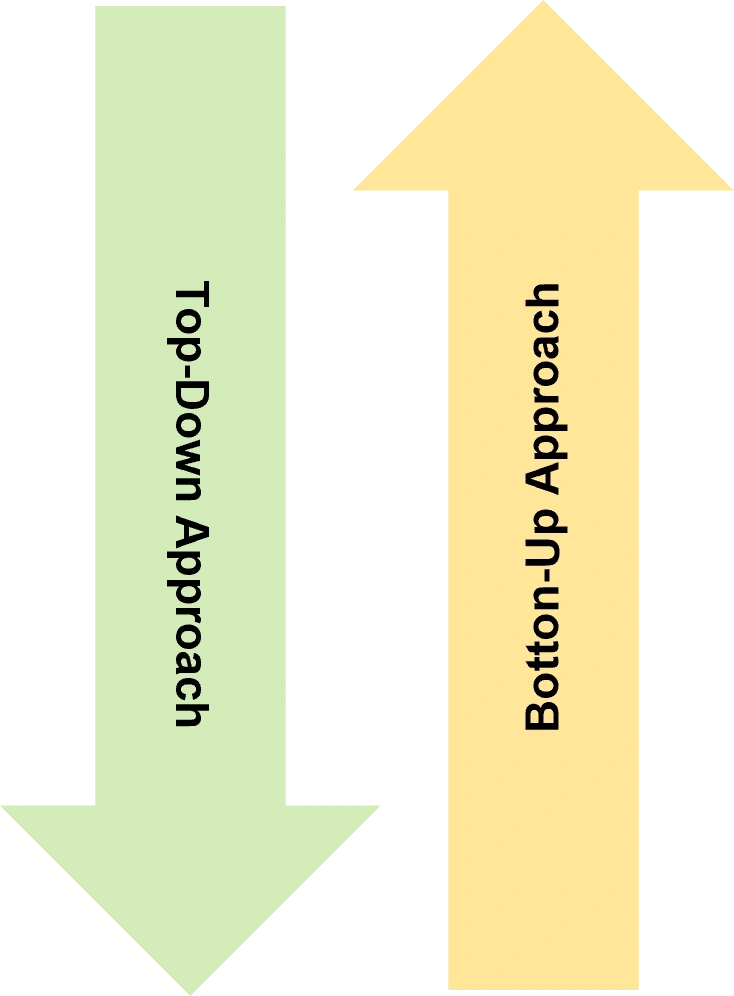
Our market forecasting methodology follows a holistic approach (for both top-down and bottom-up techniques), combining statistical models, in-depth market research, demand analysis, and expert insights to deliver accurate predictions of future trends and outcomes. Market size estimation is derived through a mix of secondary and primary research. To ensure accuracy and reliability, all findings are rigorously validated through data triangulation, aligning insights from multiple sources to strengthen the credibility and precision of the overall market and segment-level forecasts.
Conduct comprehensive industry analysis to assess TAM using validated secondary sources
Segment market by region or application to determine relevant sub-industry scope / in order to calculate the serviceable addressable market
Calculate serviceable obtainable market by applying penetration rates or adoption assumptions
Assess the historical information on growth patterns / CAGR for realistic market opportunity sizing
Calculate actual market using segmentation and penetration data, and projected its growth during the forecast period
Validate final estimates via scenario-based analysis and expert opinions gathered through extensive primary and secondary research
Identify the key component, such as products / drugs / technologies across the sector that are to be forecasted, using market databases
Estimate the average units / volumes per component by collecting primary and secondary data by leveraging information on historical industry activity
Assess the historical information on prices, adoption and penetration data, and growth patterns / CAGR for realistic market opportunity sizing
Calculate total market size by multiplying volumetric estimates with average costs / prices per component, and projected its growth during the forecast period
Validate final estimates via scenario-based analysis and expert opinions gathered through extensive primary and secondary research
Data Collection: Source and Methods
Secondary Research
In this research process, various secondary sources are referred to identify and collect information regarding the study. The secondary sources include annual reports, press releases, investor presentations, forums, certified publications, whitepapers, government, and regulatory bodies (like FDA, WHO, WTO, EPA). The secondary research is mainly used to identify reliable publicly available information sources, studying various market trends, key drivers / restraints to generate insightful conclusions, and robust data validation.
Primary Research
In the primary research process, we follow a structured approach to ensure comprehensive stakeholder engagement and actionable insights. We conduct detailed research to identify relevant stakeholders (both demand and supply side) and setup multi-channel interviews, utilizing emails, LinkedIn, direct calls, and other channels to schedule the interviews. We then conduct in-depth interviews, preparing detailed transcripts, and tabulate responses for further analysis. The primary sources included various industry experts, including Chief Executive Officers (CEOs), Vice Presidents (VPs), marketing directors, technology and innovation directors, and related key executives from various key companies and organizations operating in the respective market.
Market Sizing and Analysis
Our market reports provide comprehensive market sizing and analysis, methodologically advancing from Total Addressable Market (TAM) to Serviceable Addressable Market (SAM) and Capturable Addressable Market (CAM). We integrate key growth drivers, including supply-demand dynamics, new market entrants, economic conditions, technological advancements, and capital requirements for deep insights into expansion factors. Our structured TAM, SAM, and CAM framework delivers thorough, actionable market reports to empower strategic decision-making and market potential growth.
Market Assessment Framework: From Total Potential to Achievable Share
Total Addressable Market (TAM)
Represents the total potential revenue opportunity if a company captures 100% market share for its product or service.
Serviceable Addressable Market (SAM)
The portion of TAM that a company can reach, considering its geographic limits, products, regulations, and market constraints.
Serviceable Obtainable Market (SOM)
The realistic segment of SAM that a company can capture based on its market presence, competitive position, and capabilities.
Currently Acquired Market (CAM)
The current market share held by a company, used to benchmark performance and guide strategies for growth & expansion.
Example Factors Influencing Market Growth Potential
Competitive Landscape
Assessing key market players, competitor strategies and market positioning.
Technological Advancements
Evaluating impact of new technologies on market evolution and disruption.
Economic Indicators
Assessing influence of metrics, such as GDP, trade dynamics, inflation, and consumer spending.
Market Demand & Supply
Analyzing forces and external factors driving customer needs and product supply.
Market Entry Barriers
Understanding obstacles for new entrants, such as regulations and capital and technical requirements.
Historical Trends & Growth Rates
Considering historical growth rate patterns, product sale revenues and adoption trends.
AI in Drug Discovery Market Size Estimation Methodology
Our forecast methodology integrates a rigorous hybrid approach combining top-down market sizing with detailed bottom-up validation. This proven method delivers precise market size estimates, reliable growth rates, and credible CAGR projections that stakeholders can trust for strategic decision-making in pharma and biotech outsourcing. The methodology features extensive primary research through in-depth stakeholder interviews with executives from contract service organizations (CMO/CDMO/CRO), biopharma sponsors, biotechnology firms, and key opinion leaders. These insights are complemented by comprehensive secondary analysis of FDA and EMA regulatory filings, clinical trial pipeline data, historical revenue trends, annual reports, competitive intelligence, and industry benchmarks. Moreover, data triangulation across multiple sources validates critical trends, such as therapeutic-area demand drivers, rising prevalence and complexity of disease cohorts, AI/ML integration across discovery and preclinical workflows, estimated probability of technical and regulatory success, and shifting treatment paradigms. Sensitivity analysis and scenario modeling further enhance forecast robustness against regulatory changes, technological breakthroughs, and market disruptions. This industry-validated approach ensures high-confidence, actionable insights. It positions expert service partners at the forefront of biopharmaceutical market intelligence, empowering informed investment, capacity planning, and competitive strategies in the rapidly evolving pharma and biotech outsourcing landscape.
Data Validation and Quality Assurance
We deliver verified industry forecasts with 100% accuracy in all market size, CAGR, and growth projections through rigorous market forecast validation processes. We cross-verify data from 100+ trusted sources for precise market size accuracy in our fact-checked market research reports, provide exclusive inputs from 500+ industry experts, ensuring CAGR validation and reliable projections which are backed by 200+ years of sector expertise for benchmarked, future-proof verified industry forecasts.
Market Mapping
via
Secondary Research
Covers credible, high-quality data sources:
Paid Databases: Bloomberg, Factiva, Dun&Bradstreet (D&B) Hoovers, Thomson Reuters Eikon and Other Prominent Databases
Literature Search: Annual Reports, Company Websites, Financial Filings, Investor Presentations, White Papers etc
Primary Research
through
Stakeholder Interviews
Includes extensive primary research via:
KOL Interviews: In-depth conversations with CXOs, Founders, Director, VPs and other Senior Management stakeholders
Surveys / Polls: Widens reach and reveals insights into unmet needs, customer preferences and emerging market opportunities
Strategic Interpretation
with
Rootsight
Generates a holistic ecosystem view:
Influencing Factors Analysis
Competitive Landscape & Key Players
Drivers and Restraints Mapping
Opportunities and Challenges Assessment
Regional & Segment Level Insights
Historical Market Benchmarking
Analyst Interpretation & Forecast Refinement
Data Triangulation
and
Validation
Sense-checks and finalization of output / recommendations:
Multi-angle Forecast
Scenario Planning / Testing
Segment-specific Models
Econometric Models
Extensive validation via multiple approaches (listed below)
Insight Delivery
& Strategic
Recommendations
Comprehensive set of deliverables:
Market Size Estimates
Informed Future Growth Projections
Actionable Insights Tailored by Region, Segment, and Timeline
Model Walkthrough via Workshops
Audio podcasts
12-month unrestricted support
Complimentary upgrade to the next edition
Customization Options
At Roots Analysis, we pride ourselves on offering tailored market research solutions that adapt to your unique business needs. Our extensive customization options ensure that you receive insights that are not only relevant but also actionable. Upon purchase, clients can ask for 10% customization on a variety of modules.
01
Competitive
Intelligence
Landscape Analysis
Product / Portfolio Evaluation
Relative Competitive Assessment
Company Profiles
02
Strategy and Growth
Assessment
Value Creation Framework
Business Model Assessment
Blue Ocean Strategy
Go-no-go Framework
03
Market Potential
Assessment
Opportunity Analysis
Multivariate Sensitivity Analysis
Time Series Analysis
Region / Country wise Analysis
04
Product
Intelligence
Brand Positioning Analysis
Product Launch Strategy
Lifecycle Management
Success Protocol Analysis
05
Supplier Identification /
Assessment
Supplier Landscape Analysis
Peer Benchmarking
Vendor Selection Framework
Risk Assessment
06
Opinion Based
Assessment
Video / Telephonic Interviews
Online Surveys
Focused Group Discussions
Customer Feedback Analysis
07
Trends
Assessment
Partnerships and Collaborations
Patent Analysis
Capability Expansion Analysis
Clinical Trial Analysis
08
Merger & Acquisition and
Deal Trends
M&A Evolution
Financial Analysis
Start-up Valuation
Deal Multiple Analysis
09
Cost
Models
Total Cost of Ownership
CAPEX and OPEX Analysis
Make-vs-Buy Framework
NPV and IRR Analysis
10
Financial and
Investment Analysis
Assessment of Funding Models
Funding Life Cycle Analysis
Due Diligence
Exits / Profitability Assessment
11
Medtech
Intelligence
Demand Forecasting
Licensing Deal Assessment
Competitive Benchmarking
Value Chain Analysis
12
IP
Intelligence
Pockets of Innovation
White Space Analysis
CPC Analysis
Patent Valuation
Describe Usage
How many people will be using this report?
To help us serve you better, please select the best option that describes the usage of this report
Request Quote
Thank you for submitting the details. Your message has been sent to the relevant team. One of our team members will shortly email you the relevant quotation. For any queries, please feel free to reach out to us at support@rootsanalysis.com
Roots Analysis Customer Support
Looking for Insights that Match Your Needs?
LET’S CREATE SOLUTIONS THAT TRULY MATTER TO YOUR BUSINESS.
Book a Free Report Workshop Session to:
Get a guided tour of the actual report
Share your specific needs
Discuss the customizations options for you
AI In Drug Discovery Market Size, Share And Growth Trend Analysis Report By Region And Segmentation Forecasts (2026 - 2035)
Report Code: 425 Format: PDF Request Type: Get Your Free Sample
Request A Sample
Stay informed about the latest trends and insights that are shaping your field.
AI In Drug Discovery Market Size, Share And Growth Trend Analysis Report By Region And Segmentation Forecasts (2026 - 2035)
Report Code: 425 Format: PDF Request Type: Request a Quote
Request A Quote
Stay informed about the latest trends and insights that are shaping your field.
AI In Drug Discovery Market Size, Share And Growth Trend Analysis Report By Region And Segmentation Forecasts (2026 - 2035)
Report Code: 425 Format: PDF Request Type: Customization
Get Custom Report
Stay informed about the latest trends and insights that are shaping your field.
AI In Drug Discovery Market Size, Share And Growth Trend Analysis Report By Region And Segmentation Forecasts (2026 - 2035)
Report Code: 425 Format: PDF Request Type: Speak with Analyst
Speak With Our Analyst
Book a Preview Call
Select a Date
AI In Drug Discovery Market Size, Share And Growth Trend Analysis Report By Region And Segmentation Forecasts (2026 - 2035)
Report Code: 425 Format: PDF Request Type: Customization
Request Sectional Pricing
Stay informed about the latest trends and insights that are shaping your field.
Thank You
Thank you for contacting Roots Analysis. Our team will get back to you shortly.


 Download Free Sample
 Buy Now

.webp)


