Biopharmaceutical Excipients Manufacturing Market (2nd Edition) by Scale of Operation (Preclinical / Clinical and Commercial), Type of Modality (Antibodies, Vaccines, Cell and Gene Therapies, Proteins / Peptides and Other Biologics), Type of Excipient (Buffering Agents, Lyoprotectant Agents, Solubilizers and Surfactants, Tonicity Agents, pH Adjusting Agents and Others), Chemical Components, Company Size, Source of Manufacturing, End User and Geographical Regions – Trends and Forecast 2026-2035
Market Outlook
The global biopharmaceutical excipients manufacturing market, valued at USD 3.3 billion in 2025, is projected to reach USD 3.6 billion in 2026 and USD 6.3 billion by 2035, representing a CAGR of 6.4% during the forecast period 2026 to 2035.
See What’s in the Full Report – Request Your Complimentary Insights!
Market Report: Key Takeaways
Market Size & Trends
In terms of scale of operation, the commercial segment holds the highest share (nearly 90%) of the market.
With respect to type of modality, the antibodies segment dominates the current market.
Based on the type of excipients, buffering agents capture the largest share of the market; this trend is unlikely to change in the future.
In terms of chemical components, carbohydrates hold the highest market share.
Based on the company size, large and very large players are likely to capture the largest share of the market in 2026.
In terms of source of manufacturing, in house segment holds the highest market share.
With respect to end user, the pharmaceutical companies segment dominates the current market.
In terms of geographical regions, Europe holds the highest market share (35%).
Key Market Statistics
Market Size in 2026: $3.6 Billion
Estimated Market Size in 2035: $6.3 Billion
CAGR (2026-2035): 6.4%
Europe: Largest market in 2026
Asia-Pacific: Fastest growing region
Market Introduction
Over the years, the rising popularity of biologics has led to a paradigm shift in the healthcare industry. In the last decade alone, the annual number of approvals of biopharmaceuticals (including monoclonal antibodies, recombinant proteins, vaccines and gene therapies) by the USFDA has steadily increased, with biologics making up over 40% of all new drug approvals. As of October 2024, there were over 12,700 biological pharmaceutical products under clinical investigation worldwide, highlighting the extent of innovation in this field. Given their distinct benefits over small molecules, including higher efficacy, precise target specificity, and favorable safety, biologics are expected to continue driving advances in treatment for oncology, autoimmune disorders, rare diseases, and genetic conditions.
Despite these benefits, biologics are structurally complex and inherently less stable than small molecules, making them prone to physical (aggregation, precipitation, denaturation) and chemical (oxidation, deamidation, hydrolysis) degradation. To address such limitations, a range of biopharmaceutical excipients, including sugars (sucrose and trehalose), amino acids (arginine), surfactants (polysorbates), and polymeric agents (PEGs) are utilized to stabilize formulations, enhance solubility, control pH and tonicity, and improve overall bioavailability. In fact, over 70% of marketed biologics rely on polysorbates as stabilizing agents, while bulking agents, antioxidants, and preservatives expand their functional value. Moreover, excipients have become vital in enabling advanced drug product formats, including lyophilized vials, prefilled syringes, and ready to use liquid formulations.
Emerging innovations, particularly in lipid-based excipients for mRNA vaccines and therapeutics, are further expanding the excipient landscape. Coupled with the rising trend in outsourcing and growing regulatory support for novel excipients, the use of biopharmaceutical excipients is poised for sustained market growth during the forecast period.
Market Segmentation
Based on the research, we have segmented the biopharmaceutical excipients manufacturing market into scale of operation, type of modality, type of excipients, chemical components, company size, source of manufacturing, end user and geographical regions.
By Scale of Operation
Preclinical / Clinical Scale
Commercial Scale
By Type of Modality
Antibodies
Vaccines
Cell and Gene Therapies
Proteins / Peptides
Other Biologics
By Type of Excipients
Buffering Agents
Lyoprotectant Agents
Solubilizers and Surfactants
Tonicity Agents
pH Adjusting Agents
Others
By Chemical Components
Carbohydrates
Polymers
Polyols
Proteins / Amino Acids
Others
By Company Size
Small Players
Mid-sized Players
Large and Very Large Players
By Source of Manufacturing
In-house
Outsourcing
By End User
Contract Manufacturers
Pharmaceutical Companies
Hybrid Players
By Geographical Regions
North America
US
Canada
Europe
Germany
UK
France
Italy
Spain
Rest of Europe
Asia-Pacific
China
India
South Korea
Japan
Rest of Asia-Pacific
Middle East and Africa
Saudi Arabia
UAE
Egypt
Latin America
Brazil
Mexico
Rest of Latin America
Your Business is Unique – Why Shouldn’t Your Report Be?
What Factors Contribute to Biopharmaceutical Excipients Manufacturing Market Trends?
Launch of Endotoxin Controlled Excipients: Endotoxin controlled excipients refer to high-purity pharmaceutical ingredients that are stringently monitored and manufactured to ensure exceptionally low levels of endotoxins, thereby aligning with the evolving regulatory and quality standards for advanced biologics and parenteral products. Notably, the demand for these excipients has surged in recent years, primarily driven by the increased adoption of biologics, cell therapies, and other sensitive biomedical applications where the presence of endotoxins can lead to serious safety concerns, including pyrogenic reactions. However, it is worth mentioning that these excipients are particularly crucial in injectable therapeutics, vaccines, medical devices, and 3D bioprinting workflows, where any compromise in excipient purity could impact both product safety and efficacy.
Increase in Expansion Activity: Several stakeholders in this domain have undertaken initiatives to expand their respective facilities / capabilities, in order to enhance their offerings. Most of the expansions reported in this domain were focused on additions of new facilities. This is primarily driven by the increasing demand for high-quality, specialized excipients required for advanced biopharmaceutical formulations, including biologics, gene therapies, and vaccines. This has led to manufacturers investing in state-of-the-art facilities that adhere to stringent good manufacturing practice (GMP) standards to ensure product quality, safety, and regulatory compliance.
What are the Key Drivers for Market Growth?
Rising Prevalence of Chronic Diseases: Market growth is fueled by various factors, including rising prevalence of chronic diseases and the expanding use of biologic therapies such as monoclonal antibodies, vaccines, and gene therapies, that require specialized, high-quality excipients to ensure drug stability, efficacy, and safety. Further, the increase in strategic collaborations among manufacturers, supportive regulatory frameworks, growing healthcare expenditure, and the expansion of biopharmaceutical manufacturing infrastructure are also contributing to the growth of the market. In addition, the rising demand for advanced excipients that enhance the viability of probiotics in drug formulations also act as a key growth driver of the biopharmaceutical excipient manufacturing market, as the industry pivots to develop stable and effective probiotic-based therapeutics.
Recent Developments in Biopharmaceutical Excipients Manufacturing Market
Year
Company
Recent Development
Impact
June 2026
Evonik Industries
The company expanded specialty excipient production capabilities with a focus on lipid-based and polymeric agents tailored for cell & gene therapies and mRNA vaccines.
Addresses growing demand for advanced delivery systems, supporting higher stability and bioavailability in next-gen therapies.
May 2026
BASF Pharma
The company opened a new GMP Solution Center in Michigan focused on high-purity excipients and custom solutions for biopharmaceutical formulations.
Boosts capacity for polymers and stabilizers, enabling faster collaboration on novel biologics and mRNA/LNP applications.
April 2026
Ashland
The company announced expanded global distribution agreement with Wacker Chemie, becoming the sole worldwide distributor for WACKER’s high-quality cyclodextrins (CAVAMAX, CAVASOL, Cavitron) as pharmaceutical excipients.
Enhances global access to advanced cyclodextrin excipients for improved solubility, stability, and complexation in biologics.
The company expanded its Clear Lake facility in Texas to include excipient GMP-compliant manufacturing of pharmaceutical-grade polyethylene glycol (PEG) excipients.
Strengthens North American supply chain resilience, reduces lead times, and supports oral/topical.
February 2026
DFE Pharma
The company launched its Continuous Manufacturing (CM) platform in partnership with Gericke to support formulation development, optimization, and lifecycle management using CM-ready excipients.
Accelerates scalable production for biologics and improves process robustness for high-concentration formulations.
Industry Experts on Biopharmaceutical Excipients Manufacturing Market
The market for biopharmaceutical excipients manufacturing has a transformative future and is likely to remain progressive in the future.
Jeannette M. Wetzel (Biopharma Sales Director of DFE Pharma), stated that, “One of the major challenges in this domain is the limited availability of necessary investment required to support capacity expansion. Stringent regulations related to quality of biopharmaceutical excipients poses another key concern for biopharmaceutical excipient developers.”
Pay Only for What You Need – The Best Way to Optimize
Market Share Insights
Which Scale of Operation Accounts for the Largest Share of Biopharmaceutical Excipients Manufacturing Market?
This segment highlights the distribution of market value for biopharmaceutical excipients across various scales of operation, such as preclinical / clinical and commercial scale.
Currently, the commercial scale subsegment captures majority (close to 90%) of the biopharmaceutical excipients manufacturing market share. This dominance stems from the successful transition of a growing number of biologic therapies, particularly monoclonal antibodies, recombinant proteins and vaccines, from clinical development into full-scale commercial manufacturing. Unlike preclinical and clinical phases, where excipient demand is limited in volume and highly variable, commercial production requires consistent, large-volume supply of high-purity excipients like sucrose, surfactants, buffers and stabilizers. This is mainly to support continuous large scale batch manufacturing of biologics which creates a predictable, high-value revenue stream for excipient manufacturers. As more biologic drugs enter commercial manufacturing phases, the volume requirements for excipients increase substantially, thus contributing to higher market share of commercial-scale operations.
Further, once a formulation is approved, changes to excipients become extremely difficult and costly due to comparability protocols. This creates long-term contracts and preferred supplier relationships, favoring manufacturers with proven large-scale GMP capabilities, robust quality systems, and reliable supply chains. Thus, driving the commercial scale market to grow at a higher CAGR (6.8%) during the forecast period.
Which Type of Excipient Holds the Largest Share of the Market?
Based on the type of excipients, the global market is segmented into buffering agents, lyoprotectant agents, solubilizers and surfactants, tonicity agents, pH adjusting agents and others.
According to our market analysis, buffering agents occupy the highest market share in the biopharmaceutical excipients market. This is primarily attributable to the fact that buffers play an integral role throughout the lifecycle of biologics, spanning formulation development, stability assessment, fill-finish operations, and downstream processing. Consequently, they generate consistent, high-volume, and recurring demand as essential excipients. Moreover, buffers are critical for maintaining pH-dependent protein conformation, controlling aggregation, and preserving biological potency across a broad spectrum of modalities. Some of these modalities include monoclonal antibodies, recombinant proteins, gene therapies, and viral vectors. This universality results in near-universal adoption across therapeutic classes, setting them apart from more niche excipients. Across related applications, oral proteins and peptides address enzymatic degradation and absorption barriers to enable non-injectable biologic delivery.
In contrast, solubilizers and surfactants are expected to register the highest CAGR during the forecast period. This can be attributed to the shift in the industry towards high-concentration subcutaneous injectable formulations to improve patient convenience and compliance. This has significantly increased the need for advanced solubilizers and surfactants to manage viscosity, solubility, and colloidal stability.
Market Share by Type of Modality: Antibodies Segment to Hold the Highest Revenue
Based on the type of modality, the global market is segmented into antibodies, vaccines, cell and gene therapies, proteins / peptides and other biologics.
Presently, antibodies sub-segment is likely to capture majority of the biopharmaceutical excipient manufacturing market size. This is due to their unmatched clinical and commercial dominance among biologics. With hundreds of approved monoclonal antibodies and a robust pipeline across oncology, immunology, and other high-value therapeutic areas, this segment has generated recurring demand for specialized excipients.
Further, mAbs are large, structurally complex proteins inherently prone to physical and chemical instability during manufacturing, storage, shipping, and administration. This necessitates sophisticated excipient systems that go well beyond those required for simpler modalities. Thereby driving the market to grow at a higher CAGR (8.7%) during the forecast period.
Will Carbohydrates Segment Hold the Highest Share in the Future?
On the basis of chemical components, the global market is distributed into carbohydrates, polymers, polyols, proteins / amino acids and others.
Currently, the carbohydrates sub-segment occupies the highest share in the overall market due to the widespread use of carbohydrates like sucrose, starch, and dextrose across various drug formulations. In fact, a Japan-based company named Nagase Viita expanded their SOLBIOTE portfolio of saccharide excipients, by introducing injectable grade SUCROSE SG, which stabilizes mRNA vaccines, and preserves the structure of lipid nanoparticles (LNPs).
Moreover, it is worth highlighting that, as per biopharmaceutical excipients manufacturing market analysis, the market share for polymers is likely to grow at a relatively higher CAGR (7.1%), during the forecast period. This is due to the fact that the development of novel, high-purity, and multifunctional polymers, including biodegradable, stimuli-responsive, and co-processed grades enables excipient manufacturers to seize premium pricing and higher margins. These advanced polymer solutions deliver superior functionality in addressing critical formulation challenges, such as protein aggregation, oxidation, immunogenicity, and cold-chain dependency, outperforming conventional excipients like sugars and surfactants.
Market Share by Source of Manufacturing: In House Segment to Hold the Highest Revenue
On the basis of sources of manufacturing, the global market is segmented into in-house and outsourcing.
According to our projection, in-house manufacturing holds the highest biopharmaceutical excipients market share. This dominance is primarily because excipient quality, traceability, and supply continuity are now viewed as CMC-critical risks that biopharma companies cannot afford to outsource without significant regulatory and operational exposure. Unlike generic bulk excipients, biopharmaceutical-grade excipients must meet stringent purity specifications (low endotoxin, low metal, defined leachables). Any deviation from these specifications can directly compromise protein stability, increase aggregation, and elevate the risk of immunogenicity. As a result, biopharmaceutical sponsors are often reluctant to relinquish control over the supply chain for these critical, high-stakes excipients.
In the coming years, outsourcing is expected to register the highest CAGR during the forecast period within this segment. Outsourcing is gaining strong momentum as it enables sponsors to reduce capital expenditure, achieve economies of scale, and gain flexibility in managing variable demand across pipeline assets without heavy investment in in-house excipient production or testing facilities.
Regional Analysis: Which Regions are Showing the Fastest Growth in Biopharmaceutical Excipients Manufacturing Industry?
Europe Market: Securing Highest Share
In terms of geographical regions, the global market is distributed across North America, Europe, Asia-Pacific, Middle East and Africa, and Latin America.
According to our biopharmaceutical excipients manufacturing market forecast, Europe is likely to capture majority (35%) of the biopharmaceutical excipients manufacturing market share in the current year, and this trend is unlikely to change in the future as well. This is due to the strong presence of established biotech and pharmaceutical companies in the region. This concentration of prominent industry players fuels significant investment and accelerates the adoption of AI technologies in pharmaceutical manufacturing. In addition, the region also benefits from its advanced pharmaceutical ecosystem, robust R&D capabilities, and supportive regulatory infrastructure which further contributes to its dominance.
Asia-Pacific: An Emerging Growth Spot
The market in Asia-Pacific is likely to grow at the highest CAGR (7.7%), during the forecast period till 2035. Rapid expansion of biopharmaceutical production capacities in countries like China and South Korea accompanied by the widespread adoption of advanced manufacturing technologies is driving the growth of market in these countries. Moreover, increased investments in new biomanufacturing facilities, supported by government policies in countries like India (PLI scheme) and China (Made in China 2025), are driving strong demand for high-quality excipients, especially for injectables, lyophilized formulations, and high-concentration biologics.
Get an Instant Quote in 10 Minutes. Lowest Price Guaranteed
Scope of Biopharmaceutical Excipients Manufacturing Market Report
(A complete list of players captured is available in the report)
PowerPoint Presentation
(Complimentary)
Available
Customization Scope
15% Free Customization
Excel Data Packs
(Complimentary)
Available
Methodology
Research Methodology
Overview
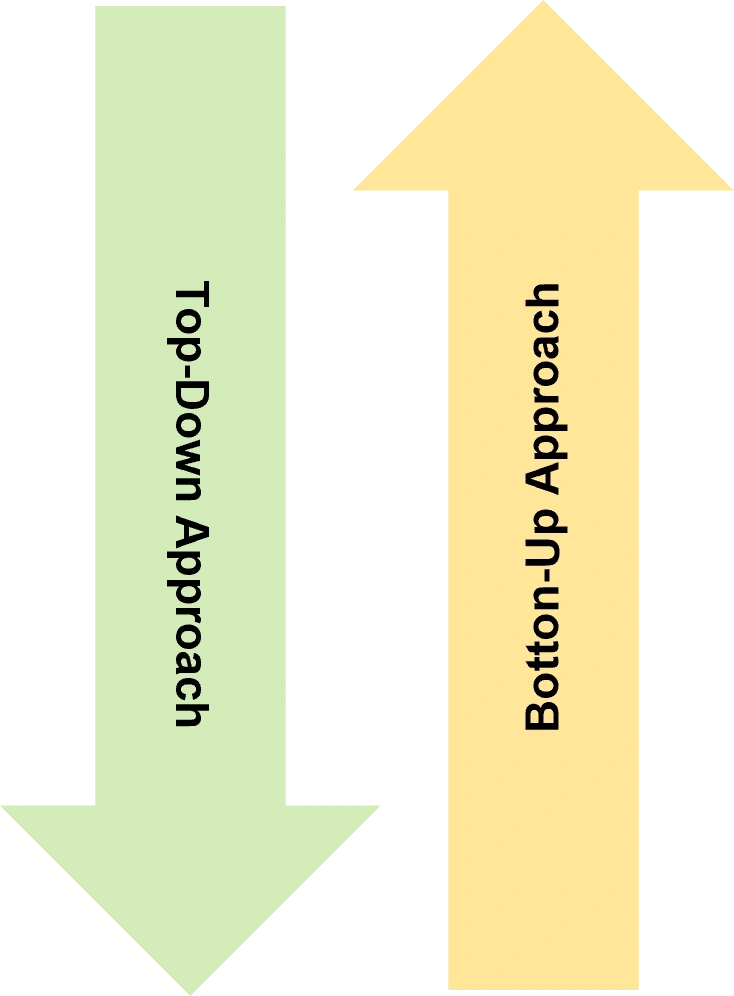
Our market forecasting methodology follows a holistic approach (for both top-down and bottom-up techniques), combining statistical models, in-depth market research, demand analysis, and expert insights to deliver accurate predictions of future trends and outcomes. Market size estimation is derived through a mix of secondary and primary research. To ensure accuracy and reliability, all findings are rigorously validated through data triangulation, aligning insights from multiple sources to strengthen the credibility and precision of the overall market and segment-level forecasts.
Conduct comprehensive industry analysis to assess TAM using validated secondary sources
Segment market by region or application to determine relevant sub-industry scope / in order to calculate the serviceable addressable market
Calculate serviceable obtainable market by applying penetration rates or adoption assumptions
Assess the historical information on growth patterns / CAGR for realistic market opportunity sizing
Calculate actual market using segmentation and penetration data, and projected its growth during the forecast period
Validate final estimates via scenario-based analysis and expert opinions gathered through extensive primary and secondary research
Identify the key component, such as products / drugs / technologies across the sector that are to be forecasted, using market databases
Estimate the average units / volumes per component by collecting primary and secondary data by leveraging information on historical industry activity
Assess the historical information on prices, adoption and penetration data, and growth patterns / CAGR for realistic market opportunity sizing
Calculate total market size by multiplying volumetric estimates with average costs / prices per component, and projected its growth during the forecast period
Validate final estimates via scenario-based analysis and expert opinions gathered through extensive primary and secondary research
Data Collection: Source and Methods
Secondary Research
In this research process, various secondary sources are referred to identify and collect information regarding the study. The secondary sources include annual reports, press releases, investor presentations, forums, certified publications, whitepapers, government, and regulatory bodies (like FDA, WHO, WTO, EPA). The secondary research is mainly used to identify reliable publicly available information sources, studying various market trends, key drivers / restraints to generate insightful conclusions, and robust data validation.
Primary Research
In the primary research process, we follow a structured approach to ensure comprehensive stakeholder engagement and actionable insights. We conduct detailed research to identify relevant stakeholders (both demand and supply side) and setup multi-channel interviews, utilizing emails, LinkedIn, direct calls, and other channels to schedule the interviews. We then conduct in-depth interviews, preparing detailed transcripts, and tabulate responses for further analysis. The primary sources included various industry experts, including Chief Executive Officers (CEOs), Vice Presidents (VPs), marketing directors, technology and innovation directors, and related key executives from various key companies and organizations operating in the respective market.
Market Sizing and Analysis
Our market reports provide comprehensive market sizing and analysis, methodologically advancing from Total Addressable Market (TAM) to Serviceable Addressable Market (SAM) and Capturable Addressable Market (CAM). We integrate key growth drivers, including supply-demand dynamics, new market entrants, economic conditions, technological advancements, and capital requirements for deep insights into expansion factors. Our structured TAM, SAM, and CAM framework delivers thorough, actionable market reports to empower strategic decision-making and market potential growth.
Market Assessment Framework: From Total Potential to Achievable Share
Total Addressable Market (TAM)
Represents the total potential revenue opportunity if a company captures 100% market share for its product or service.
Serviceable Addressable Market (SAM)
The portion of TAM that a company can reach, considering its geographic limits, products, regulations, and market constraints.
Serviceable Obtainable Market (SOM)
The realistic segment of SAM that a company can capture based on its market presence, competitive position, and capabilities.
Currently Acquired Market (CAM)
The current market share held by a company, used to benchmark performance and guide strategies for growth & expansion.
Example Factors Influencing Market Growth Potential
Competitive Landscape
Assessing key market players, competitor strategies and market positioning.
Technological Advancements
Evaluating impact of new technologies on market evolution and disruption.
Economic Indicators
Assessing influence of metrics, such as GDP, trade dynamics, inflation, and consumer spending.
Market Demand & Supply
Analyzing forces and external factors driving customer needs and product supply.
Market Entry Barriers
Understanding obstacles for new entrants, such as regulations and capital and technical requirements.
Historical Trends & Growth Rates
Considering historical growth rate patterns, product sale revenues and adoption trends.
Our forecast methodology integrates a rigorous hybrid approach combining top-down market sizing with detailed bottom-up validation. This proven method delivers precise market size estimates, reliable growth rates, and credible CAGR projections that stakeholders can trust for strategic decision-making in pharma and biotech outsourcing. The methodology features extensive primary research through in-depth stakeholder interviews with executives from contract service organizations (CMO/CDMO/CRO), biopharma sponsors, biotechnology firms, and key opinion leaders. These insights are complemented by comprehensive secondary analysis of FDA and EMA regulatory filings, clinical trial pipeline data, historical revenue trends, annual reports, competitive intelligence, and industry benchmarks. Moreover, data triangulation across multiple sources validates critical trends, such as excipients demand by therapeutic area, rising prevalence and complexity of formulations, adoption of advanced formulation and analytical technologies, supplier capacity and quality metrics, regulatory and technical success probabilities for excipient-enabled products and shifting treatment paradigms that influence excipient selection. Sensitivity analysis and scenario modeling further enhance forecast robustness against regulatory changes, technological breakthroughs, and market disruptions. This industry-validated approach ensures high-confidence, actionable insights. It positions expert service partners at the forefront of biopharmaceutical market intelligence, empowering informed investment, capacity planning, and competitive strategies in the rapidly evolving pharma and biotech outsourcing landscape.
Data Validation and Quality Assurance
We deliver verified industry forecasts with 100% accuracy in all market size, CAGR, and growth projections through rigorous market forecast validation processes. We cross-verify data from 100+ trusted sources for precise market size accuracy in our fact-checked market research reports, provide exclusive inputs from 500+ industry experts, ensuring CAGR validation and reliable projections which are backed by 200+ years of sector expertise for benchmarked, future-proof verified industry forecasts.
Market Mapping
via
Secondary Research
Covers credible, high-quality data sources:
Paid Databases: Bloomberg, Factiva, Dun&Bradstreet (D&B) Hoovers, Thomson Reuters Eikon and Other Prominent Databases
Literature Search: Annual Reports, Company Websites, Financial Filings, Investor Presentations, White Papers etc
Primary Research
through
Stakeholder Interviews
Includes extensive primary research via:
KOL Interviews: In-depth conversations with CXOs, Founders, Director, VPs and other Senior Management stakeholders
Surveys / Polls: Widens reach and reveals insights into unmet needs, customer preferences and emerging market opportunities
Strategic Interpretation
with
Rootsight
Generates a holistic ecosystem view:
Influencing Factors Analysis
Competitive Landscape & Key Players
Drivers and Restraints Mapping
Opportunities and Challenges Assessment
Regional & Segment Level Insights
Historical Market Benchmarking
Analyst Interpretation & Forecast Refinement
Data Triangulation
and
Validation
Sense-checks and finalization of output / recommendations:
Multi-angle Forecast
Scenario Planning / Testing
Segment-specific Models
Econometric Models
Extensive validation via multiple approaches (listed below)
Insight Delivery
& Strategic
Recommendations
Comprehensive set of deliverables:
Market Size Estimates
Informed Future Growth Projections
Actionable Insights Tailored by Region, Segment, and Timeline
Model Walkthrough via Workshops
Audio podcasts
12-month unrestricted support
Complimentary upgrade to the next edition
Customization Options
At Roots Analysis, we pride ourselves on offering tailored market research solutions that adapt to your unique business needs. Our extensive customization options ensure that you receive insights that are not only relevant but also actionable. Upon purchase, clients can ask for 10% customization on a variety of modules.
01
Competitive
Intelligence
Landscape Analysis
Product / Portfolio Evaluation
Relative Competitive Assessment
Company Profiles
02
Strategy and Growth
Assessment
Value Creation Framework
Business Model Assessment
Blue Ocean Strategy
Go-no-go Framework
03
Market Potential
Assessment
Opportunity Analysis
Multivariate Sensitivity Analysis
Time Series Analysis
Region / Country wise Analysis
04
Product
Intelligence
Brand Positioning Analysis
Product Launch Strategy
Lifecycle Management
Success Protocol Analysis
05
Supplier Identification /
Assessment
Supplier Landscape Analysis
Peer Benchmarking
Vendor Selection Framework
Risk Assessment
06
Opinion Based
Assessment
Video / Telephonic Interviews
Online Surveys
Focused Group Discussions
Customer Feedback Analysis
07
Trends
Assessment
Partnerships and Collaborations
Patent Analysis
Capability Expansion Analysis
Clinical Trial Analysis
08
Merger & Acquisition and
Deal Trends
M&A Evolution
Financial Analysis
Start-up Valuation
Deal Multiple Analysis
09
Cost
Models
Total Cost of Ownership
CAPEX and OPEX Analysis
Make-vs-Buy Framework
NPV and IRR Analysis
10
Financial and
Investment Analysis
Assessment of Funding Models
Funding Life Cycle Analysis
Due Diligence
Exits / Profitability Assessment
11
Medtech
Intelligence
Demand Forecasting
Licensing Deal Assessment
Competitive Benchmarking
Value Chain Analysis
12
IP
Intelligence
Pockets of Innovation
White Space Analysis
CPC Analysis
Patent Valuation
Describe Usage
How many people will be using this report?
To help us serve you better, please select the best option that describes the usage of this report
Request Quote
Thank you for submitting the details. Your message has been sent to the relevant team. One of our team members will shortly email you the relevant quotation. For any queries, please feel free to reach out to us at support@rootsanalysis.com
Roots Analysis Customer Support
Looking for Insights that Match Your Needs?
LET’S CREATE SOLUTIONS THAT TRULY MATTER TO YOUR BUSINESS.
Book a Free Report Workshop Session to:
Get a guided tour of the actual report
Share your specific needs
Discuss the customizations options for you
Biopharmaceutical Excipients Manufacturing Market
Report Code: 1072 Format: PDF Request Type: Get Your Free Sample
Request A Sample
Stay informed about the latest trends and insights that are shaping your field.
Biopharmaceutical Excipients Manufacturing Market
Report Code: 1072 Format: PDF Request Type: Request a Quote
Request A Quote
Stay informed about the latest trends and insights that are shaping your field.
Biopharmaceutical Excipients Manufacturing Market
Report Code: 1072 Format: PDF Request Type: Customization
Get Custom Report
Stay informed about the latest trends and insights that are shaping your field.
Biopharmaceutical Excipients Manufacturing Market
Report Code: 1072 Format: PDF Request Type: Speak with Analyst
Speak With Our Analyst
Book a Preview Call
Select a Date
Biopharmaceutical Excipients Manufacturing Market
Report Code: 1072 Format: PDF Request Type: Customization
Request Sectional Pricing
Stay informed about the latest trends and insights that are shaping your field.
Thank You
Thank you for contacting Roots Analysis. Our team will get back to you shortly.


 Download Free Sample
 Buy Now



.webp)


