
Lowest Price Guaranteed
Pages
244
Last Updated
September 2026
View Count
14927
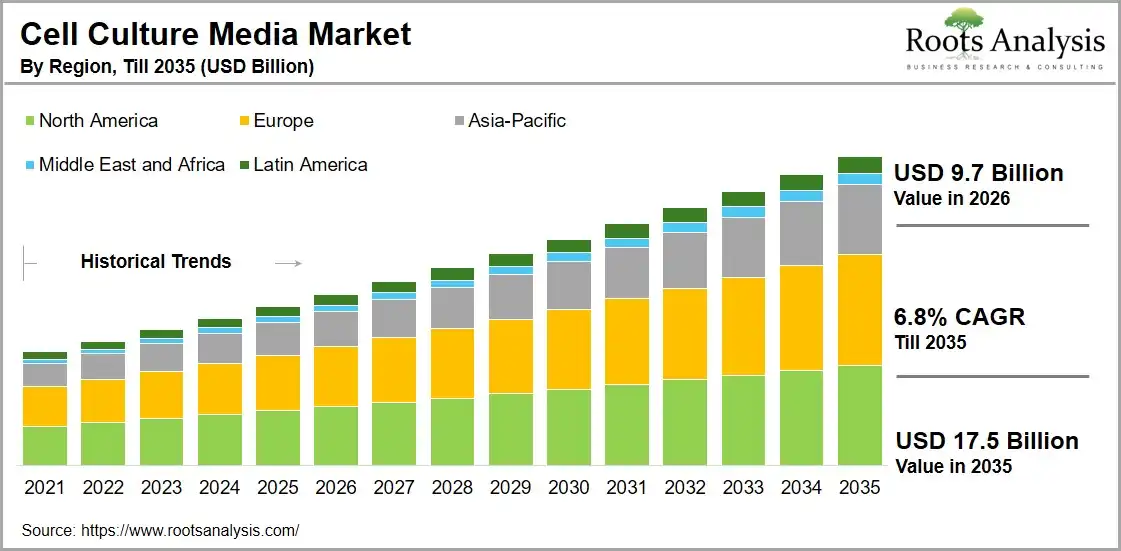
The cell culture media market, valued at USD 9.0 billion in 2025, is projected to reach USD 9.7 billion in 2026 and USD 17.5 billion by 2035, representing a CAGR of 6.8% during the forecast period 2026 to 2035.
To learn more about this report, request a free sample copy
Cell culture media plays a crucial role in the biopharmaceutical and biotechnology industries, essential for the development and production of advanced therapies. Viral Vaccine Cell Culture Media supplies the nutrients and process consistency required for host-cell growth and reproducible vaccine-virus production. The culture media provides nutrients, growth factors, and hormones required for the optimal growth and maintenance of cells in in vitro conditions.
The cell culture media market has witnessed significant growth owing to several factors, including the increasing demand for biologics, such as cell therapies, regenerative medicine and vaccines. This growth is further fueled by the advancements in cell culture media platforms and cell culture technologies, along with the expanding application of cell culture in drug discovery, genomics research, diagnostics and toxicity testing.
 |
 |
 |
In recent years, the shift towards efficient and cost-effective cell culture media has propelled innovation within the market. Companies involved in providing cell culture media are developing specialized media formulations tailored to specific cell types and applications, such as chemically defined media and serum-free media, to further improve consistency, reduce batch-to-batch variability, and enhance the reproducibility of cell culture. A specialized application is cell therapy media, where formulation choices must support the intended therapeutic cells and their manufacturing requirements.
 |
 |
 |
The cell culture media market is expected to experience sustained growth owing to the rising prevalence of chronic diseases, including oncological disorders, autoimmune disorders, and rare diseases, along with continuous expansion of the biopharmaceutical sector to meet global healthcare needs. Moreover, innovations in automation and advanced technologies such as artificial intelligence are anticipated to improve the efficiency of cell culture operations, reduce manufacturing costs, and streamline research and development efforts.
 |
 |
 |
Further, the market is positioned to play an integral role in advancing biotechnology and healthcare, with its contributions to biopharmaceutical production, drug discovery, and regenerative medicine.
The market report presents an in-depth analysis of the various cell culture media and companies engaged in the industry, across different segments, as defined in the table below:
| Key Report Attributes | Details | |
| Historical Trend | Since 2021 | |
| Forecast Period | Till 2035 | |
| Market Size 2026 | $9.7 Billion | |
| Market Size 2035 | $17.5 Billion | |
| CAGR (Till 2035) | 6.8% | |
| Scale of Operation |
|
|
| Type of Modality |
|
|
| Expression System |
|
|
| End-user |
|
|
| Type of Industry Player |
|
|
| State of Media |
|
|
| Type of Media |
|
|
| Type of Serum-Free Media |
|
|
| Source of Media |
|
|
| Outsourced Media Offering |
|
|
| Application Area |
|
|
| Therapeutic Area |
|
|
| Geographical Regions |
|
|
| Key Companies Profiled |
|
|
| PowerPoint Presentation (Complimentary) |
Available | |
| Customization Scope | 10% Free Customization | |
| Excel Data Packs (Complimentary) |
|
|
One of the key objectives of the cell culture media market report was to estimate the current market size, opportunity and the market growth potential for the companies active in this domain. Based on multiple parameters, likely adoption trends and through credible secondary research, we have provided an informed estimate on the market evolution during the forecast period till 2035.
The market report also features the likely distribution of the current and forecasted opportunity within the market across various segments, such as scale of operation (clinical scale and commercial scale), type of modality (antibodies, vaccines, cell and gene therapies, proteins / peptides and other biologics), expression system (mammalian expression system, microbial expression system and other expression systems), end-user (industry players and academic players), type of industry player (contract manufacturers, drug developers and hybrid players), state of media (liquid media, semi-solid media and solid media), type of media (chemically defined media, serum containing media, serum-free media and other media), type of serum-free media (BHK media, CHO media, NSO media, Sp2/0 and other media), source of media (in-house and outsourcing), outsourced media offering (off-the-shelf media and custom media), application area (diagnostics and therapeutics), therapeutic area (autoimmune and inflammatory disorders, hematological disorders, metabolic disorders and other disorders) and geographical regions (North America, Europe, Asia-Pacific, Latin America, and Middle East and Africa)
In order to account for future uncertainties and to add robustness to our model, we have provided three market forecast scenarios, namely conservative, base and optimistic scenarios, representing different tracks of the cell culture media market growth.
All actual figures have been sourced and analyzed from publicly available information forums. Financial figures mentioned in this market report are in USD, unless otherwise specified.
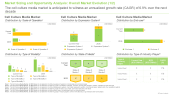
The global market for cell culture media is categorized into different scale of operation, such as clinical scale and commercial scale. Currently, the commercial scale occupies a relatively higher market share (more than 85%); this scenario is unlikely to change in the upcoming future. This is primarily due to the fact that majority of the revenues are generated through approved biopharmaceuticals which in turn propel the growth of the market to manufacture these modalities at large scale.
This segment highlights the distribution of global market across various types of modalities, such as antibodies, vaccines, cell and gene therapies, proteins / peptides and other biologics. Presently, the antibodies segment occupies the highest cell culture media market share (more than 45%) and this trend is unlikely to change over the next decade.
However, the cell and gene therapies segment is expected to grow at a relatively higher pace owing to various factors, such as increased development and adoption of cell and gene therapies.
This segment highlights the distribution of global cell culture media market across various protein expression systems such as mammalian expression systems, microbial expression systems and other expression systems. Among these expression systems, the mammalian expression systems segment currently occupies the highest market share and is likely to stay dominant during the forecast period. This can be attributed to the benefits provided by mammalian expression system, including the ability to effectively recognize the signals for synthesis and processing of eukaryotic proteins essential for biological drugs safety and efficacy.
The global cell culture media market size is segmented across different end-users, such as industry players and non-industry players. Currently, industry players segment is expected to hold the majority (over 95%) of the market share and this trend is unlikely to change in the future as well. Further, industry players segment is anticipated to grow at an annualized rate of 6.7%, till 2035. This can be attributed to the fact that industry players are predominantly involved in development and commercialization of the biologic therapies owing to their well-established manufacturing capabilities.
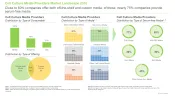
This segment highlights the distribution of cell culture media market across various type of industry players, such as contract manufacturers, drug developers and hybrid players. Presently, the drug developers occupy the maximum share (nearly 65%) and are expected to remain dominant during the forecast period.
It is worth highlighting that contract manufacturers market segment is likely to grow at a relatively higher CAGR during the forecast period. Notably, contract manufacturers have the required infrastructure capabilities, along with expertise to help meet specific cell culture media needs from formulation to packaging, and regulatory requirements.
The global market is segmented across different states of media, such as liquid media, semi-solid media and solid media. It is worth highlighting that, currently, majority of the cell culture media market share is occupied by solid media. This can be attributed to the fact that the solid media provides numerous advantages including longer shelf life, reduced transportation and storage costs, and minimized risk of contamination. However, the market for liquid media segment is estimated to grow at a higher annualized rate (CAGR) of 7.6%, till 2035.
The global market is segmented across different types of media, such as chemically defined media, serum containing media, serum-free media and other media. The cell culture media market analysis shows that serum containing media segment is likely to capture the highest (nearly 50%) share in the current year; this can be attributed to the fact that serum containing media allows optimal conditions for culturing cells in vitro by providing carrier proteins, essential nutrients, hormones and growth factors.
The serum free media market is segmented across different types of serum-free media, namely BHK media, CHO media, NSO media, Sp2/0 media and other media. It is worth highlighting that, currently, majority of the market share is occupied by CHO media. However, the market for NSO media is estimated to grow at a higher annualized rate (CAGR) of 8.4%, till 2035.
The global market size is segmented across different sources of media, such as in-house and outsourcing. Currently, the cell culture media market is driven by the drug developers outsourcing their media requirements. In addition, the market for outsourcing media is anticipated to grow at a relatively faster pace (with a CAGR of 7.1%), till 2035.
The market for outsourced cell culture media is segmented across different types of offering, namely off-the-shelf media and custom media. It is worth noting that, presently, the market is dominated by revenues generated by off-the-shelf media products in the outsourced cell culture media market (nearly 75%) and this trend is unlikely to change in the future as well. It is due to the fact that off-the-shelf media are pre-validated and readily available for direct usage.
This segment highlights the distribution of global cell culture media market across various application areas, such as diagnostic and therapeutic. Presently, the market is dominated by the revenues generated from media used for therapeutic purposes (93%) and this trend is unlikely to change over the next decade.
This segment highlights the distribution of the market value across different therapeutic areas, such as autoimmune and inflammatory disorders, hematological disorders, metabolic disorders, oncological disorders and other disorders. Among these therapeutic areas, the media utilized to develop biopharmaceuticals for the treatment of oncological disorders in the overall cell culture media market captures the largest share (more than 65%) and is expected to witness substantial growth during the forecast period.
This segment highlights the distribution of global market across various geographies, such as North America, Europe, Asia-Pacific, Latin America, and Middle East and Africa. According to our projections, currently Europe is likely to capture the majority of the market share. It is worth highlighting that during the forecast period till 2035, the cell culture media market share in Asia-Pacific is expected to grow at a relative faster pace (CAGR of 6.2%) in comparison to other regions.
The “Cell Culture Media Market: Industry Trends and Global Forecasts, till 2035” market report features an extensive study of the current market landscape, market size, market share, market analysis, market forecast and future opportunities for the companies active in this domain. This market report highlights the efforts of several players involved in this rapidly emerging segment of the biopharmaceutical industry. Key takeaways of the market analysis report have been briefly discussed below.
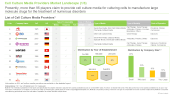
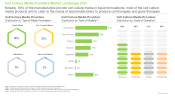
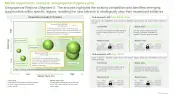
The market landscape features the presence of more than 95 players, with different company sizes including, very large, large, mid-sized, small and very small. Over 30% of the companies were established between 1980 to 2000, demonstrating the presence of well-established stakeholders in the cell culture media domain.
Additionally, close to 50% of the companies are based in North America, followed by Europe, Asia-Pacific and the rest of the world. Further, within North America, the United States emerged as the hub of cell culture media manufacturers.
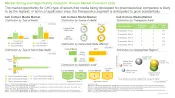
According to cell culture media market analysis, the current market size is estimated to be worth USD 9.7 billion. The market is expected to grow at a CAGR of 6.8%, driven by the significant growth in the research, development and production of biopharmaceuticals. The increased interest in biologics has resulted in a rapid rise in the demand for cell culture media, as scientists prefer optimal media to ensure the viability of their work. Moreover, a strong clinical pipeline of biopharmaceuticals, specifically cell and gene therapies is likely to drive demand in the coming decade.
Presently, close to 35% of the overall market is captured by Europe. Notably, the factors that contribute to the region’s dominance in this industry include the presence of several well-established cell culture media providers with extensive manufacturing capabilities. Further, the favorable regulatory guidelines and anticipated change in preference of the population residing there, are expected to drive the growth in the European region.
However, in terms of market growth, the Asia-Pacific cell culture media market growth is expected at a relatively higher CAGR of 7.8%, during the forecast period. This can be attributed to the increasing funding initiatives to expand the biopharma industry in this region, along with favorable government policies.
Examples of companies involved in cell culture media industry (also profiled in this report) include Ajinomoto, Cytiva, HiMedia Laboratories, Irvine Scientific (Acquired by Fujifilm), Lonza, Merck KGaA, Sartorius and Thermo Fisher Scientific. This market report includes an easily searchable excel database including all the cell culture media manufacturers.
The market report presents an in-depth analysis, highlighting the capabilities of various stakeholders in this industry, across different geographies. Amongst other elements, the market report includes:
Several recent developments have taken place in the cell culture media industry. We have outlined some of these initiatives below. These developments, even if they took place post the release of our market report, substantiate the overall trends that have been outlined in our market analysis report.