


 Download Free Sample
 Buy Now
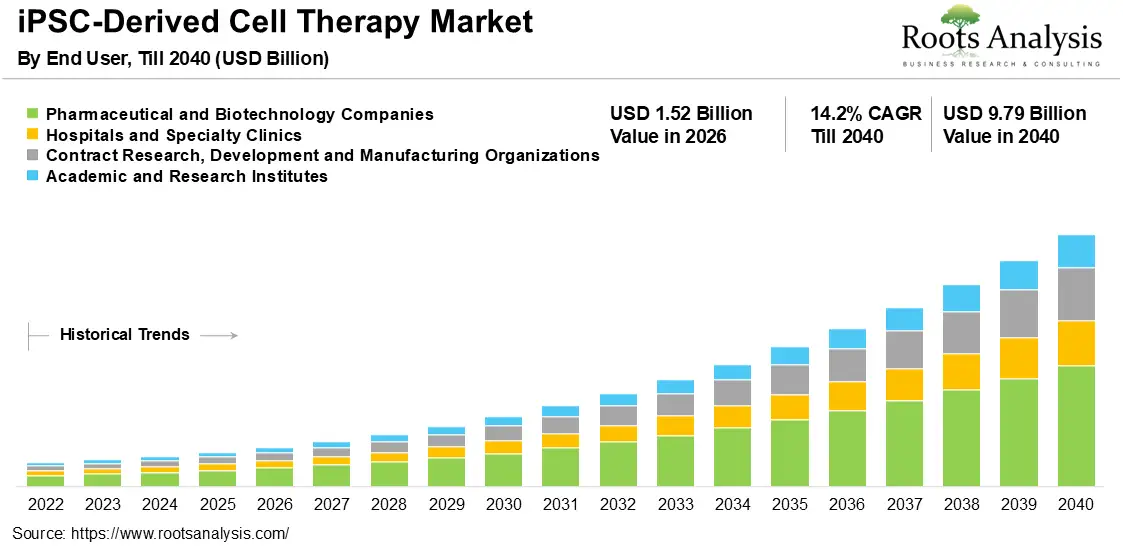
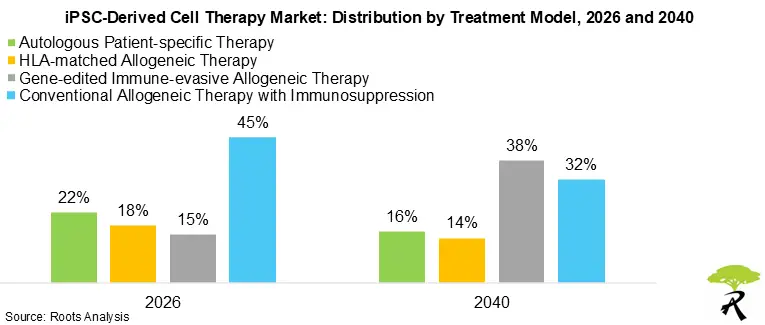
Table of Contents
1.1. Context
1.2. Project Objectives
2.1. Chapter Overview
2.2. Research Assumptions
2.3. Database Building
2.3.1. Data Collection
2.3.2. Data Validation
2.3.3. Data Analysis
2.4. Project Methodology
2.4.1. Secondary Research
2.4.1.1. Annual Reports
2.4.1.2. Academic Research Papers
2.4.1.3. Company Websites
2.4.1.4. Investor Presentations
2.4.1.5. Regulatory Filings
2.4.1.6. White Papers
2.4.1.7. Industry Publications
2.4.1.8. Conferences and Seminars
2.4.1.9. Government Portals
2.4.1.10. Media and Press Releases
2.4.1.11. Newsletters
2.4.1.12. Industry Databases
2.4.1.13. Roots Proprietary Databases
2.4.1.14. Paid Databases and Sources
2.4.1.15. Social Media Portals
2.4.1.16. Other Secondary Sources
2.4.2. Primary Research
2.4.2.1. Introduction
2.4.2.2. Types
2.4.2.2.1. Qualitative
2.4.2.2.2. Quantitative
2.4.2.3. Advantages
2.4.2.4. Techniques
2.4.2.4.1. Interviews
2.4.2.4.2. Surveys
2.4.2.4.3. Focus Groups
2.4.2.4.4. Observational Research
2.4.2.4.5. Social Media Interactions
2.4.2.5. Stakeholders
2.4.2.5.1. Company Executives (CXOs)
2.4.2.5.2. Board of Directors
2.4.2.5.3. Company Presidents and Vice Presidents
2.4.2.5.4. Key Opinion Leaders
2.4.2.5.5. Research and Development Heads
2.4.2.5.6. Technical Experts
2.4.2.5.7. Subject Matter Experts
2.4.2.5.8. Scientists
2.4.2.6. Ethics and Integrity
2.4.2.6.1. Research Ethics
2.4.2.6.2. Data Integrity
2.4.3. Analytical Tools and Databases
3.1. Forecast Methodology
3.1.1. Top-Down Approach
3.1.2. Bottom-Up Approach
3.1.3. Hybrid Approach
3.2. Market Assessment Framework
3.2.1. Total Addressable Market (TAM)
3.2.2. Serviceable Addressable Market (SAM)
3.2.3. Serviceable Obtainable Market (SOM)
3.2.4. Currently Acquired Market (CAM)
3.3. Forecasting Tools and Techniques
3.3.1. Qualitative Forecasting
3.3.2. Correlation
3.3.3. Regression
3.3.4. Time Series Analysis
3.3.5. Extrapolation
3.3.6. Convergence
3.3.7. Forecast Error Analysis
3.3.8. Data Visualization
3.3.9. Scenario Planning
3.3.10. Sensitivity Analysis
3.4. Key Considerations
3.4.1. Demographics
3.4.2. Market Access
3.4.3. Reimbursement Scenarios
3.4.4. Industry Consolidation
3.5. Robust Quality Control
3.6. Key Market Segmentations
3.7. Limitations
4.1. Chapter Overview
4.2. Market Dynamics
4.2.1. Time Period
4.2.1.1. Historical Trends
4.2.1.2. Current and Forecasted Estimates
4.2.2. Currency Coverage
4.2.2.1. Overview of Major Currencies Affecting the Market
4.2.2.2. Impact of Currency Fluctuations on the Industry
4.2.3. Foreign Exchange Impact
4.2.3.1. Evaluation of Foreign Exchange Rates and Their Impact on Market
4.2.3.2. Strategies for Mitigating Foreign Exchange Risk
4.2.4. Recession
4.2.4.1. Historical Analysis of Past Recessions and Lessons Learnt
4.2.4.2. Assessment of Current Economic Conditions and Potential Impact on the Market
4.2.5. Inflation
4.2.5.1. Measurement and Analysis of Inflationary Pressures in the Economy
4.2.5.2. Potential Impact of Inflation on the Market Evolution
4.2.6. Interest Rates
4.2.6.1. Overview of Interest Rates and Their Impact on the Market
4.2.6.2. Strategies for Managing Interest Rate Risk
4.2.7. Commodity Flow Analysis
4.2.7.1. Type of Commodity
4.2.7.2. Origins and Destinations
4.2.7.3. Values and Weights
4.2.7.4. Modes of Transportation
4.2.8. Global Trade Dynamics
4.2.8.1. Import Scenario
4.2.8.2. Export Scenario
4.2.9. War Impact Analysis
4.2.9.1. Russia-Ukraine War
4.2.9.2. Israel-Hamas War
4.2.10. COVID Impact / Related Factors
4.2.10.1. Global Economic Impact
4.2.10.2. Industry-specific Impact
4.2.10.3. Government Response and Stimulus Measures
4.2.10.4. Future Outlook and Adaptation Strategies
4.2.11. Other Indicators
4.2.11.1. Fiscal Policy
4.2.11.2. Consumer Spending
4.2.11.3. Gross Domestic Product (GDP)
4.2.11.4. Employment
4.2.11.5. Taxes
4.2.11.6. R&D Innovation
4.2.11.7. Stock Market Performance
4.2.11.8. Supply Chain
4.2.11.9. Cross-Border Dynamics
4.3. Concluding Remarks
6.1. Chapter Overview
6.2. Overview of iPSC-Derived Cell Therapy
6.2.1. Treatment Model
6.2.2. Derived Cell Type
6.2.3. Therapeutic Area
6.2.4. Manufacturing Workflow
6.2.5. End User
6.3. Future Perspective
9.1. Chapter Overview
9.2. iPSC-Derived Cell Therapy Market: Overall Landscape
9.2.1. Analysis by Year of Establishment
9.2.2. Analysis by Company Size
9.2.3. Analysis by Location of Headquarters
9.2.4. Analysis by Type of Company
9.3. Key Findings
12.1. iPSC-Derived Cell Therapy Market: Startup Ecosystem Analysis
12.1.1. Analysis by Year of Establishment
12.1.2. Analysis by Company Size
12.1.3. Analysis by Location of Headquarters
12.1.4. Analysis by Ownership Type
12.2. Key Findings
13.1. Chapter Overview
13.2. Sumitomo Pharma
13.2.1. Company Overview
13.2.2. Company Mission
13.2.3. Company Footprint
13.2.4. Management Team
13.2.5. Contact Details
13.2.6. Financial Performance
13.2.7. Operating Business Segments
13.2.8. Service / Product Portfolio (project specific)
13.2.9. MOAT Analysis
13.2.10. Recent Developments and Future Outlook
* Similar details are presented for other companies mentioned below (based on information in the public domain)
13.3. Cuorips
13.4. Fate Therapeutics
13.5. Century Therapeutics
17.1. Chapter Overview
17.2. Recent Funding
17.3. Recent Partnerships
17.4. Other Recent Initiatives
18.1. Chapter Overview
18.2. Key Assumptions and Methodology
18.3. Disruptive Trends Impacting the Market
18.4. Demand Side Trends
18.5. Supply Side Trends
18.6. Global iPSC-Derived Cell Therapy Market: Historical Trends (Since 2022) and Forecasted Estimates (Till 2040)
18.7. Multivariate Scenario Analysis
18.7.1. Conservative Scenario
18.7.2. Optimistic Scenario
18.8. Investment Feasibility Index
18.9. Key Market Segmentations
19.1. Chapter Overview
19.2. Key Assumptions and Methodology
19.3. Revenue Shift Analysis
19.4. Market Movement Analysis
19.5. Penetration-Growth (P-G) Matrix
19.6. iPSC-Derived Cell Therapy Market for Autologous Patient-Specific Therapy: Historical Trends (Since 2022) and Forecasted Estimates (Till 2040)
19.7. iPSC-Derived Cell Therapy Market for HLA-Matched Allogeneic Therapy: Historical Trends (Since 2022) and Forecasted Estimates (Till 2040)
19.8. iPSC-Derived Cell Therapy Market for Gene-Edited Immune-Evasive Allogeneic Therapy: Historical Trends (Since 2022) and Forecasted Estimates (Till 2040)
19.9. iPSC-Derived Cell Therapy Market for Conventional Allogeneic Therapy with Immunosuppression: Historical Trends (Since 2022) and Forecasted Estimates (Till 2040)
19.10. Data Triangulation and Validation
19.10.1. Secondary Sources
19.10.2. Primary Sources
19.10.3. Statistical Modeling
20.1. Chapter Overview
20.2. Key Assumptions and Methodology
20.3. Revenue Shift Analysis
20.4. Market Movement Analysis
20.5. Penetration-Growth (P-G) Matrix
20.6. iPSC-Derived Cell Therapy Market for Dopaminergic Neural Progenitor Cells: Historical Trends (Since 2022) and Forecasted Estimates (Till 2040)
20.7. iPSC-Derived Cell Therapy Market for Cardiomyocytes: Historical Trends (Since 2022) and Forecasted Estimates (Till 2040)
20.8. iPSC-Derived Cell Therapy Market for T Cells: Historical Trends (Since 2022) and Forecasted Estimates (Till 2040)
20.9. iPSC-Derived Cell Therapy Market for Natural Killer Cells: Historical Trends (Since 2022) and Forecasted Estimates (Till 2040)
20.10. iPSC-Derived Cell Therapy Market for Mesenchymal Stromal Cells: Historical Trends (Since 2022) and Forecasted Estimates (Till 2040)
20.11. iPSC-Derived Cell Therapy Market for Pancreatic Islet Cells: Historical Trends (Since 2022) and Forecasted Estimates (Till 2040)
20.12. iPSC-Derived Cell Therapy Market for Corneal Endothelial Cells: Historical Trends (Since 2022) and Forecasted Estimates (Till 2040)
20.13. iPSC-Derived Cell Therapy Market for Retinal Pigment Epithelial Cells: Historical Trends (Since 2022) and Forecasted Estimates (Till 2040)
20.14. Data Triangulation and Validation
20.14.1. Secondary Sources
20.14.2. Primary Sources
20.14.3. Statistical Modeling
21.1. Chapter Overview
21.2. Key Assumptions and Methodology
21.3. Revenue Shift Analysis
21.4. Market Movement Analysis
21.5. Penetration-Growth (P-G) Matrix
21.6. iPSC-Derived Cell Therapy Market for Neurological Disorders: Historical Trends (Since 2022) and Forecasted Estimates (Till 2040)
21.7. iPSC-Derived Cell Therapy Market for Cardiovascular Diseases: Historical Trends (Since 2022) and Forecasted Estimates (Till 2040)
21.8. iPSC-Derived Cell Therapy Market for Oncology: Historical Trends (Since 2022) and Forecasted Estimates (Till 2040)
21.9. iPSC-Derived Cell Therapy Market for Autoimmune and Inflammatory Diseases: Historical Trends (Since 2022) and Forecasted Estimates (Till 2040)
21.10. iPSC-Derived Cell Therapy Market for Diabetes and Metabolic Disorders: Historical Trends (Since 2022) and Forecasted Estimates (Till 2040)
21.11. iPSC-Derived Cell Therapy Market for Ophthalmic Disorders: Historical Trends (Since 2022) and Forecasted Estimates (Till 2040)
21.12. iPSC-Derived Cell Therapy Market for Reproductive Medicine: Historical Trends (Since 2022) and Forecasted Estimates (Till 2040)
21.13. iPSC-Derived Cell Therapy Market for Others: Historical Trends (Since 2022) and Forecasted Estimates (Till 2040)
21.14. Data Triangulation and Validation
21.14.1. Secondary Sources
21.14.2. Primary Sources
21.14.3. Statistical Modeling
22.1. Chapter Overview
22.2. Key Assumptions and Methodology
22.3. Revenue Shift Analysis
22.4. Market Movement Analysis
22.5. Penetration-Growth (P-G) Matrix
22.6. iPSC-Derived Cell Therapy Market for Somatic Cell Sourcing and Reprogramming: Historical Trends (Since 2022) and Forecasted Estimates (Till 2040)
22.7. iPSC-Derived Cell Therapy Market for iPSC Expansion and Cell Banking: Historical Trends (Since 2022) and Forecasted Estimates (Till 2040)
22.8. iPSC-Derived Cell Therapy Market for Gene Editing and Cell Engineering: Historical Trends (Since 2022) and Forecasted Estimates (Till 2040)
22.9. iPSC-Derived Cell Therapy Market for Directed Cell Differentiation: Historical Trends (Since 2022) and Forecasted Estimates (Till 2040)
22.10. iPSC-Derived Cell Therapy Market for Cell Characterization and Release Testing: Historical Trends (Since 2022) and Forecasted Estimates (Till 2040)
22.11. iPSC-Derived Cell Therapy Market for Cryopreservation, Fill-Finish and Logistics: Historical Trends (Since 2022) and Forecasted Estimates (Till 2040)
22.12. Data Triangulation and Validation
22.12.1. Secondary Sources
22.12.2. Primary Sources
22.12.3. Statistical Modeling
23.1. Chapter Overview
23.2. Key Assumptions and Methodology
23.3. Revenue Shift Analysis
23.4. Market Movement Analysis
23.5. Penetration-Growth (P-G) Matrix
23.6. iPSC-Derived Cell Therapy Market for Pharmaceutical and Biotechnology Companies: Historical Trends (Since 2022) and Forecasted Estimates (Till 2040)
23.7. iPSC-Derived Cell Therapy Market for Hospitals and Specialty Clinics: Historical Trends (Since 2022) and Forecasted Estimates (Till 2040)
23.8. iPSC-Derived Cell Therapy Market for Contract Research, Development and Manufacturing Organizations: Historical Trends (Since 2022) and Forecasted Estimates (Till 2040)
23.9. iPSC-Derived Cell Therapy Market for Academic and Research Institutes: Historical Trends (Since 2022) and Forecasted Estimates (Till 2040)
23.10. Data Triangulation and Validation
23.10.1. Secondary Sources
23.10.2. Primary Sources
23.10.3. Statistical Modeling
24.1. Chapter Overview
24.2. Key Assumptions and Methodology
24.3. Revenue Shift Analysis
24.4. Market Movement Analysis
24.5. Penetration-Growth (P-G) Matrix
24.6. iPSC-Derived Cell Therapy Market in North America: Historical Trends (Since 2022) and Forecasted Estimates (Till 2040)
24.6.1. iPSC-Derived Cell Therapy Market in the US: Historical Trends (Since 2022) and Forecasted Estimates (Till 2040)
24.6.2. iPSC-Derived Cell Therapy Market in Canada: Historical Trends (Since 2022) and Forecasted Estimates (Till 2040)
24.6.3. iPSC-Derived Cell Therapy Market in Mexico: Historical Trends (Since 2022) and Forecasted Estimates (Till 2040)
24.6.4. iPSC-Derived Cell Therapy Market in Other North American Countries: Historical Trends (Since 2022) and Forecasted Estimates (Till 2040)
24.7. Data Triangulation and Validation
25.1. Chapter Overview
25.2. Key Assumptions and Methodology
25.3. Revenue Shift Analysis
25.4. Market Movement Analysis
25.5. Penetration-Growth (P-G) Matrix
25.6. iPSC-Derived Cell Therapy Market in Europe: Historical Trends (Since 2022) and Forecasted Estimates (Till 2040)
25.6.1. iPSC-Derived Cell Therapy Market in Austria: Historical Trends (Since 2022) and Forecasted Estimates (Till 2040)
25.6.2. iPSC-Derived Cell Therapy Market in Belgium: Historical Trends (Since 2022) and Forecasted Estimates (Till 2040)
25.6.3. iPSC-Derived Cell Therapy Market in Denmark: Historical Trends (Since 2022) and Forecasted Estimates (Till 2040)
25.6.4. iPSC-Derived Cell Therapy Market in France: Historical Trends (Since 2022) and Forecasted Estimates (Till 2040)
25.6.5. iPSC-Derived Cell Therapy Market in Germany: Historical Trends (Since 2022) and Forecasted Estimates (Till 2040)
25.6.6. iPSC-Derived Cell Therapy Market in Ireland: Historical Trends (Since 2022) and Forecasted Estimates (Till 2040)
25.6.7. iPSC-Derived Cell Therapy Market in Italy: Historical Trends (Since 2022) and Forecasted Estimates (Till 2040)
25.6.8. iPSC-Derived Cell Therapy Market in the Netherlands: Historical Trends (Since 2022) and Forecasted Estimates (Till 2040)
25.6.9. iPSC-Derived Cell Therapy Market in Norway: Historical Trends (Since 2022) and Forecasted Estimates (Till 2040)
25.6.10. iPSC-Derived Cell Therapy Market in Russia: Historical Trends (Since 2022) and Forecasted Estimates (Till 2040)
25.6.11. iPSC-Derived Cell Therapy Market in Spain: Historical Trends (Since 2022) and Forecasted Estimates (Till 2040)
25.6.12. iPSC-Derived Cell Therapy Market in Sweden: Historical Trends (Since 2022) and Forecasted Estimates (Till 2040)
25.6.13. iPSC-Derived Cell Therapy Market in Switzerland: Historical Trends (Since 2022) and Forecasted Estimates (Till 2040)
25.6.14. iPSC-Derived Cell Therapy Market in the UK: Historical Trends (Since 2022) and Forecasted Estimates (Till 2040)
25.6.15. iPSC-Derived Cell Therapy Market in Other European Countries: Historical Trends (Since 2022) and Forecasted Estimates (Till 2040)
25.7. Data Triangulation and Validation
26.1. Chapter Overview
26.2. Key Assumptions and Methodology
26.3. Revenue Shift Analysis
26.4. Market Movement Analysis
26.5. Penetration-Growth (P-G) Matrix
26.6. iPSC-Derived Cell Therapy Market in Asia-Pacific: Historical Trends (Since 2022) and Forecasted Estimates (Till 2040)
26.6.1. iPSC-Derived Cell Therapy Market in China: Historical Trends (Since 2022) and Forecasted Estimates (Till 2040)
26.6.2. iPSC-Derived Cell Therapy Market in India: Historical Trends (Since 2022) and Forecasted Estimates (Till 2040)
26.6.3. iPSC-Derived Cell Therapy Market in Japan: Historical Trends (Since 2022) and Forecasted Estimates (Till 2040)
26.6.4. iPSC-Derived Cell Therapy Market in Singapore: Historical Trends (Since 2022) and Forecasted Estimates (Till 2040)
26.6.5. iPSC-Derived Cell Therapy Market in South Korea: Historical Trends (Since 2022) and Forecasted Estimates (Till 2040)
26.6.6. iPSC-Derived Cell Therapy Market in Other Asian Countries: Historical Trends (Since 2022) and Forecasted Estimates (Till 2040)
26.7. Data Triangulation and Validation
27.1. Chapter Overview
27.2. Key Assumptions and Methodology
27.3. Revenue Shift Analysis
27.4. Market Movement Analysis
27.5. Penetration-Growth (P-G) Matrix
27.6. iPSC-Derived Cell Therapy Market in Latin America: Historical Trends (Since 2022) and Forecasted Estimates (Till 2040)
27.6.1. iPSC-Derived Cell Therapy Market in Argentina: Historical Trends (Since 2022) and Forecasted Estimates (Till 2040)
27.6.2. iPSC-Derived Cell Therapy Market in Brazil: Historical Trends (Since 2022) and Forecasted Estimates (Till 2040)
27.6.3. iPSC-Derived Cell Therapy Market in Chile: Historical Trends (Since 2022) and Forecasted Estimates (Till 2040)
27.6.4. iPSC-Derived Cell Therapy Market in Colombia: Historical Trends (Since 2022) and Forecasted Estimates (Till 2040)
27.6.5. iPSC-Derived Cell Therapy Market in Venezuela: Historical Trends (Since 2022) and Forecasted Estimates (Till 2040)
27.6.6. iPSC-Derived Cell Therapy Market in Other Latin American Countries: Historical Trends (Since 2022) and Forecasted Estimates (Till 2040)
27.7. Data Triangulation and Validation
28.1. Chapter Overview
28.2. Key Assumptions and Methodology
28.3. Revenue Shift Analysis
28.4. Market Movement Analysis
28.5. Penetration-Growth (P-G) Matrix
28.6. iPSC-Derived Cell Therapy Market in Middle East and Africa (MEA): Historical Trends (Since 2022) and Forecasted Estimates (Till 2040)
28.6.1. iPSC-Derived Cell Therapy Market in Egypt: Historical Trends (Since 2022) and Forecasted Estimates (Till 2040)
28.6.2. iPSC-Derived Cell Therapy Market in Iran: Historical Trends (Since 2022) and Forecasted Estimates (Till 2040)
28.6.3. iPSC-Derived Cell Therapy Market in Iraq: Historical Trends (Since 2022) and Forecasted Estimates (Till 2040)
28.6.4. iPSC-Derived Cell Therapy Market in Israel: Historical Trends (Since 2022) and Forecasted Estimates (Till 2040)
28.6.5. iPSC-Derived Cell Therapy Market in Kuwait: Historical Trends (Since 2022) and Forecasted Estimates (Till 2040)
28.6.6. iPSC-Derived Cell Therapy Market in Saudi Arabia: Historical Trends (Since 2022) and Forecasted Estimates (Till 2040)
28.6.7. iPSC-Derived Cell Therapy Market in United Arab Emirates (UAE): Historical Trends (Since 2022) and Forecasted Estimates (Till 2040)
28.6.8. iPSC-Derived Cell Therapy Market in Other MEA Countries: Historical Trends (Since 2022) and Forecasted Estimates (Till 2040)
28.7. Data Triangulation and Validation
30.1. Leading Player 1
30.2. Leading Player 2
30.3. Leading Player 3
30.4. Leading Player 4
30.5. Leading Player 5
30.6. Leading Player 6
36.1. Chapter Overview
36.2. Key Business-related Strategies
36.2.1. Research & Development
36.2.2. Product Manufacturing
36.2.3. Commercialization / Go-to-Market
36.2.4. Sales and Marketing
36.3. Key Operations-related Strategies
36.3.1. Risk Management
36.3.2. Workforce
36.3.3. Finance
36.3.4. Others