
Lowest Price Guaranteed
Pages
639
Last Updated
August 2026
View Count
19816
In my opinion, deep brain stimulation is amongst the fastest growing segments within this domain. Although its current market is still at an infant stage, it is anticipated to evolve significantly in the coming 5-10 years, given the large number of innovative technologies that are currently under development
-President & CEO, a US-based small-sized device developer
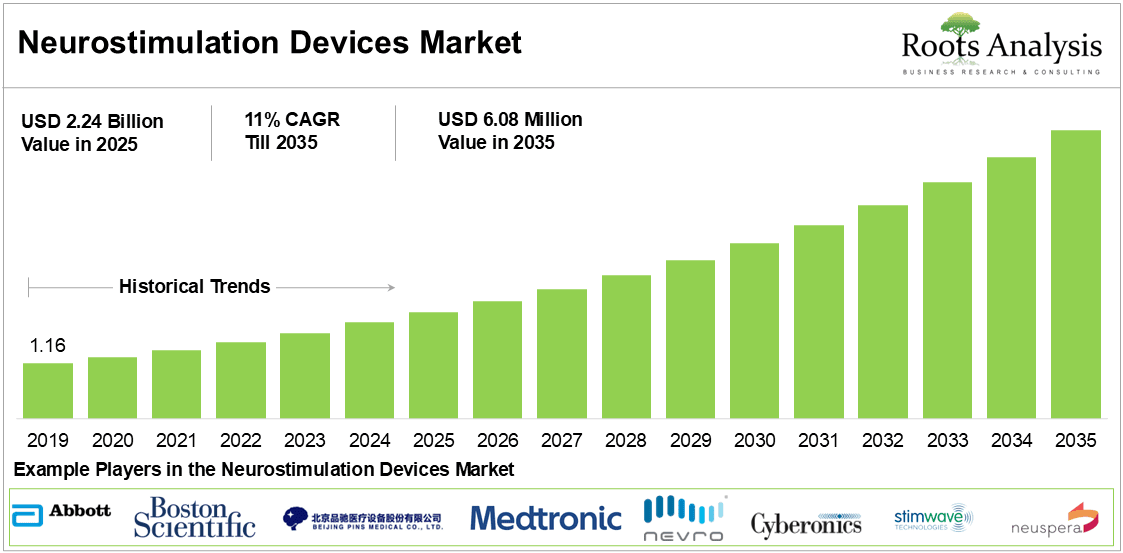
The neurostimulation devices market size is likely to grow from USD 2.03 billion in 2024 to reach USD 2.24 billion in 2025 and USD 6.08 billion by 2035, representing a CAGR of 11% during the forecast period. A neurostimulator is a specialized medical device designed to deliver controlled electrical impulses to targeted areas within the epidural space of the nervous system via thin wires known as leads.
 |
To learn more about this report, request a free sample copy
This technique, referred to as neurostimulation device implantation, is a minimally invasive approach commonly employed to manage various neurological disorders. With the growing number of people affected by neurological conditions and chronic pain, neurostimulators are becoming increasingly pivotal in the healthcare domain across the globe. Across related applications, neurovascular devices support minimally invasive diagnosis and treatment of stroke and other cerebrovascular disorders.
 |
.webp) |
 |
According to a report by the World Health Organization, one in three individuals worldwide is affected by neurological conditions. In addition to this, a recent report published by the National Academic of Medicine highlights that over 100 million people in the US experience some form of pain, contributing to an estimated socioeconomic burden of approximately USD 600 billion annually owing to the treatment costs.
 |
 |
 |
Moreover, conventional treatments for chronic pain, such as oral opioids, often lead to addiction, drug abuse, and other complications. Consequently, there is a rising demand for safer and more effective alternatives. Neurostimulation devices are increasingly recognized as a viable option, offering targeted electrical stimulation to the spinal cord, brain, or peripheral nervous system. These devices are being explored for treating epilepsy, depression, Parkinson’s disease, and movement disorders, especially in patients who do not respond well to traditional drugs.
 |
 |
 |
| Key Report Attributes | Details | |
| Historical Trend | Since 2019 | |
| Forecast Period | Till 2035 | |
| Market Size Value by 2025 | $2.24 Billion | |
| Market Size Value by 2035 | $6.08 Billion | |
| CAGR (Till 2035) | 11% | |
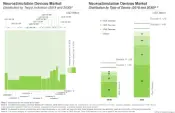
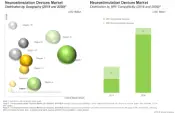
The neurostimulation devices market analysis also features the distribution of the current and forecasted opportunity within the neurostimulation devices domain across various segments, such as type of device, indication, MRI compatibility, and key geographical regions.
We have created three market forecast scenarios, conservative, base and optimistic, to account for future uncertainties in key parameters and enhance the robustness of our model. These scenarios represent different tracks of the industry's evolution.
The introduction of non invasive neurostimulation devices has also improved patients' lives, especially those suffering from chronic and neurological conditions. These neurostimulation devices are helpful in treating localized pain conditions and migration issues, improving mobility, and reducing the frequency of seizures so patients can live a quality life. Additionally, pharmaceutical companies are focusing on the development of advanced neurostimulation or neuromodulation devices that can facilitate nerve repair and regeneration.
Several recent developments have taken place in the field of neurostimulation devices, and we outline some of these below. These developments, even if they arose after our market report’s release, support the overall neurostimulation devices market trends detailed in our analysis.
The market research report presents an in-depth analysis of the various neurostimulation device companies, across different segments, as defined in the table below:
| Market Segmentations | Details | |
| Type of Device |
|
|
| Indication |
|
|
| MRI Compatibility |
|
|
| Key Geographical Regions |
|
|
| Market in North America |
|
|
| Market in Europe |
|
|
| Market in Asia-Pacific |
|
|
The successful approval of neurostimulation devices from regulatory bodies increases the interest of established stakeholders in this industry. Driven by the increasing efforts of key players in this domain, the neurostimulation devices market is anticipated to boost in the upcoming years.
Discussions with multiple stakeholders in this domain influenced the opinions and insights presented in this study. The market report includes detailed transcripts of interviews conducted with the following individuals:
This segment highlights the distribution of market for neurostimulation devices across various types of devices, such as spinal cord stimulators, deep brain stimulators, vagus nerve stimulators, and other types. According to our projections, the spinal cord stimulators segment is likely to capture the majority of the neurostimulation devices market share in 2025, and this trend is unlikely to change in the future.
This is a result of the increasing usage of spinal cord stimulators due to their effectiveness in managing chronic pain, including neuropathic pain, failed back surgery syndrome (FBSS), and post-laminectomy syndrome.
This segment highlights the distribution of market for neurostimulation devices across various types of indications, such as chronic pain, dystonia, epilepsy, essential tremors, heart failure, major depressive disorders, Parkinson’s disease, obsessive-compulsive disorders, overactive bladder, and sleep apnea. According to our projections, the neurostimulation devices for chronic pain and Parkinson's disease are likely to capture the majority of the neurostimulation devices market share in 2025, and this trend is unlikely to change in the future.
This is as a result of the growing prevalence of chronic pain and Parkinson disease, the effectiveness of neurostimulation in managing these illnesses, and the increasing demand for more effective treatments.
This segment highlights the distribution of market for neurostimulation devices services on the basis of their compatibility, such as MRI-compatible and MRI-non-compatible devices. According to our projections, neurostimulation devices which are MRI compatible are likely to capture the majority of the neurostimulation devices market share in 2025, and this trend is unlikely to change in the future.
This trend is the result of their increased safety and utility, particularly in situations where imaging is necessary after or during neurostimulation therapy. Notably, MRI compatibility allows clinicians to monitor device function and assess treatment efficacy without the risk of complications associated with incompatible devices in MRI environments.
This segment highlights the distribution of market for neurostimulation devices across various geographies, such as North America, Europe and Asia-Pacific. According to our projections, North America is likely to capture the majority of the neurostimulation devices market share in 2025, and this trend is likely to change in the future.
It is worth highlighting that the market in Asia-Pacific is likely to grow at a relatively higher CAGR, during the forecast period. This is a result of the rising prevalence of neurological disorders, advancements in technology, and increasing healthcare spending in the region.
| Report Deliverables | Details | |
| Analytical Insights Covered |
|
|
| Strategic Insights Covered |
|
|
| Key Neurostimulation Devices Companies Profiled | (Full list of 60+ companies captured is available in the report) | |
| PowerPoint Presentation(Complimentary) | Available | |
| Customization Scope | 15% Free Customization | |
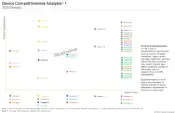
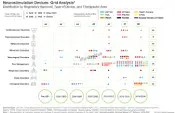
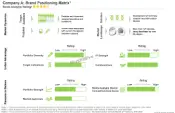
The “Neurostimulation Devices Market: Industry Trends and Global Forecasts, till 2035” market report features an extensive study of the current market landscape, product competitiveness analysis, brand positioning analysis, patent analysis, clinical trial analysis, collaborations and partnerships, funding and investment analysis, and market size and future opportunities within the neurostimulation devices industry, during the forecast period.
The current market landscape features the presence of more than 60 manufacturers, which includes several small companies and established players. Notably, these manufacturers have the required expertise to offer technical expertise for the development of neural signals-generating devices, across different key geographical regions.
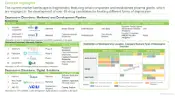
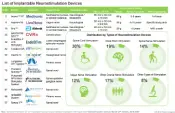
Further, it is interesting to highlight that more than 120 neurostimulation devices have been developed by various industrial stakeholders active in this field. Among these, spinal cord stimulators and deep brain stimulators are the most popular devices manufactured by the leading players in the industry. Both devices have been used for the treatment of several neurological disorders and non-malignant chronic neuropathic pain.
The global neurostimulation devices market size is likely to be worth $ 2.24 billion in 2025 and will reach $ 6.08 billion by 2035. In terms of the types of devices, the spinal cord stimulators segment holds the largest share of the neurostimulation devices industry because more people are suffering from FBSS (failed back surgery syndrome), ischemia, and chronic pain treatment.
The increasing prevalence of neurological disorders and nerve injuries along with the rising focus on the development of advanced neuromodulation and neurostimulation technologies, and government support for research on neurological disorders are the primary drivers of this market. Further, the rising interest in health consciousness coupled with lifestyle changes is likely to significantly drive the growth of this market.
North American companies will likely dominate the global neurostimulation devices in 2035, with majority of the players based in the region are actively enhancing their service offerings. The majority of neurostimulation devices manufacturing companies are headquartered in North America, followed by Asia-Pacific.
The market in Asia-Pacific is likely to grow at a relatively high CAGR, during the forecast period till 2035. This is due to several factors, including the availability of lucrative growth opportunities in this region, especially in China, India, and Japan. Mandatory healthcare insurance, ongoing technological advancements, and increased healthcare expenditure are driving the global neurostimulation market in this region.
The market for neurostimulation devices is driven by several key factors, including the rising prevalence of chronic and neurological disorders, the increasing demand for these devices as add-on therapies, technological advancements in neurostimulation techniques, and the aging global population. According to the World Federation of Neurology report on the Global Burden of Disease, neurological disorders are presently considered the second highest cause of death and disability globally. The study further indicates that the number of patients with brain diseases is anticipated to double by 2050.
It is worth mentioning that neurostimulation devices companies are using targeting various indications, such as chronic pain, dystonia, epilepsy, essential tremors, heart failure, major depressive disorders, and Parkinson’s disease. Additionally, technological advancements like improvements in precision, closed-loop systems, and the development of new stimulation paradigms in the neurostimulation devices domain results in the development of better treatment outcomes and expanding the range of conditions that can be managed with neurostimulation therapies.
Some of the potential challenges that can impede its growth include stringent regulatory guidelines for the successful approval of neurostimulation devices. For instance, according to the US FDA guidelines, medical devices have been categorized into three major classes based on risk profile: Class I, Class II, and Class III. Neurostimulation devices fall in the Class II and III categories of medical devices. Thus, pharmaceutical companies are required to get premarket notification via the 510(k) process for the successful approval of neurostimulation devices in this US market.
Further, the high initial investment cost for the manufacturing of neurostimulation devices may also restrict market growth during the forecast period.
Neurostimulation device manufacturers have forged several partnerships with other stakeholders to enhance their service portfolios. Notably, in the last few years, companies based in North America and Europe have inked the majority of these partnerships to in order to strengthen their neurostimulation offering / manufacturing capabilities.
It is worth highlighting that several initiatives, such as acquisitions and mergers, have also been taken by the key players in this domain in order to enhance the product portfolio and improve positive outcomes.
Presently, pharmaceutical companies active in this industry are focusing on the development of neurostimulation devices with remote programming, which enable tailoring of neurostimulation therapies according to the patient's requirements. Further, researchers are exploring applications of neurostimulation devices in other therapeutic areas to optimize patient treatment outcomes. Key players in this industry are focusing on the development of neurostimulation devices, such as transcranial magnetic stimulation for treating anxiety, depression, and other psychiatric disorders.
The growing adoption of digital healthcare devices for disease management in remote areas, specifically chronic disease management and pain conditions, offers enormous opportunities for the key players in this industry. Presently, pharmaceutical companies active in this industry are focusing on the development of neurostimulation devices with remote programming that enable tailoring of neurostimulation therapies according to the patient's requirements.
Lead Author: Kanwar
Lead Reviewer: Simriti Gupta
Chief Editor: Aashima Bhalla