


 Download Free Sample
 Buy Now
Market Size
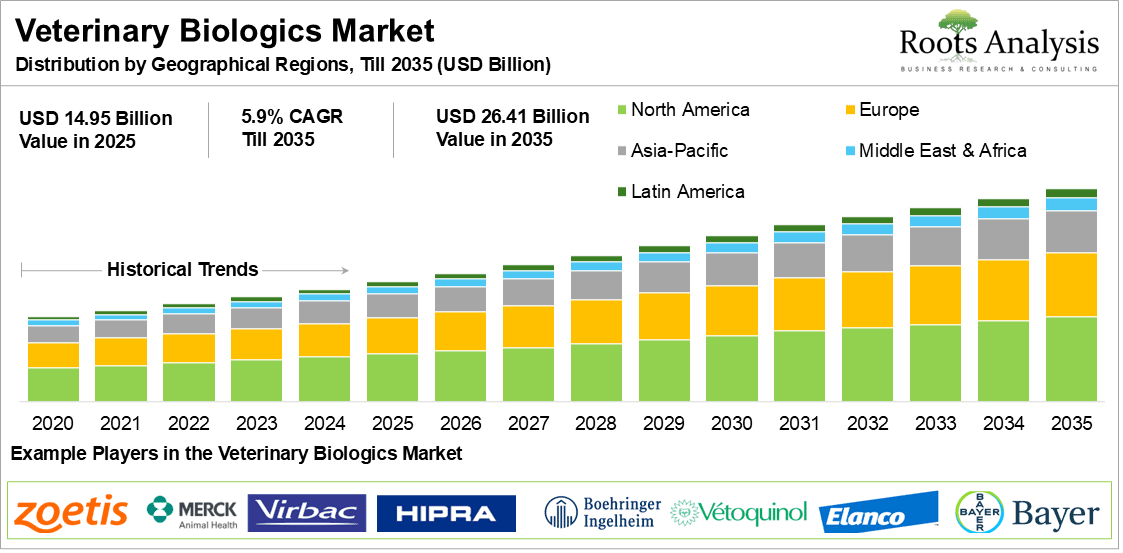
The global veterinary biologics market, valued at USD 13.95 billion in 2024, is projected to reach USD 14.95 billion in 2025 and USD 26.41 billion by 2035, with a CAGR of 5.9% during the forecast period 2025 to 2035.
Would Like to Preview the Actual Report?
Market Report: Key Takeaways
- The rising pet ownership, increasing incidence of bacterial, and viral infection in animals are likely to fuel the demand for advanced biologics for animals.
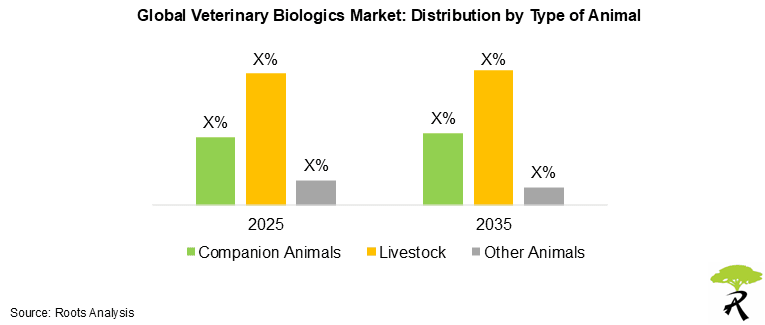
- In terms of animal, livestock animals segment holds nearly 59% of the overall revenue share due to the increasing demand for safe animal proteins and overall health.
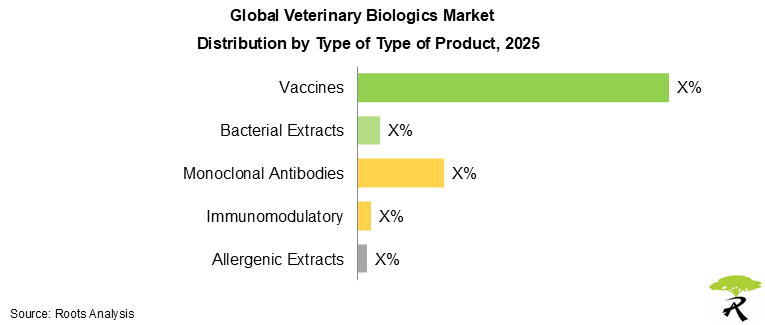
- On the basis of product type, the vaccines segment is dominating the market by securing 70% of the overall revenue share due to the increasing focus on preventive biologics for animal diseases.
- Based on the type of disease, the bacterial infections segment is securing maximum share of the market, driven by the growing incidence of infectious diseases in animals.
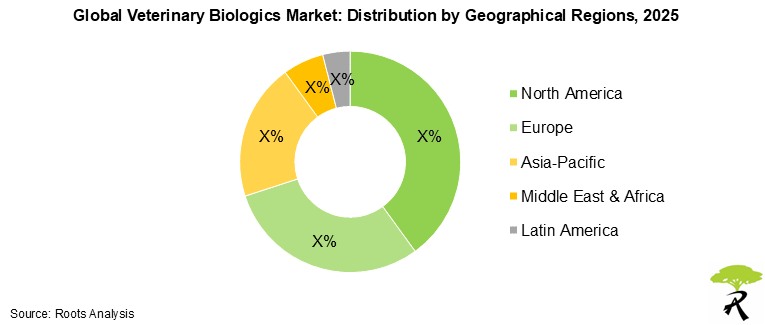
- On the basis of geography, the North America is securing 40% of the overall veterinary biologics market due to the rising technological innovations to develop tailored therapeutic drugs, and rising pet ownerships.
Market Overview
Veterinary biologics refers to the pharmaceutical drugs derived from animals’ or living organism’s cells, or their components. These biologics are used to treat wide range of diseases in animals, including bacterial infection, metabolic disorders, and parasitic infections. Driven, by the growing incidence of animal diseases and high risk of zoonotic diseases, there has been a surge in the demand for advanced veterinary biologics.
Additionally, the rising pet ownership and willingness to spend on animals’ health is further driving the market growth. Owing to the increasing demand, several market players are undertaking initiatives to develop diverse range of biologics, including vaccines, monoclonal antibodies, antitoxins, and serums. Moreover, the broader focus will be on the development of tailored therapeutic drugs, including gene therapies, companion animal vaccines and recombinant proteins that can address animal’s unique needs.
For instance, in February 2025, Bharat Biotech (India) announced that its Biolumpivaxin (vaccine for lumpy skin disease) has received the Central Drug Standards Control Organization license for cattle’s and buffaloes. As more market players continue to develop advanced biologics, it is expected that veterinary biologics market will continue to grow at a steady pace in the future.
Recent Developments
- In May 2025, Merck Animal Health (US) and Governor Laura Kelly announced a USD 895 million capital expansion project at company’s manufacturing facility in De Soto, Kansas. This significant investment has been made to deliver innovative health solutions to prevent and treat diseases in animals.
- In April 2025, Virbac (France) announced that the company has licensed novel therapeutic antibodies from MabGenesis (Japan). Under this strategic agreement, Virbac has the right to commercialize and develop products using the novel monoclonal antibodies for canine therapeutic treatments.
- In February 2025, Zoetis (US) announced the updating of the US label for Librela® (bedinvetmab injection), following its submission of a supplement to the USFDA.
Have Questions? Let's Get Them Answered
Veterinary Biologics Market Trends
- Partnerships and Collaborations: The market is driven by several partnerships and collaborations between industrial players. For instance, in June 2025, Absci entered into the partnership with Invetx to leverage Absci’s generative AI platform to create an advanced half-life extension (HLE) platform to use in animal health. Moreover, this partnership is primarily focused the development of therapeutic antibodies for dogs. Likewise, several market players are leveraging partnerships and collaborations to drive the development of preventive biologics for animal diseases, which is also expected to drive the veterinary biologics market growth.
- Funding and Investments: Notably, companies, such as Ceva Sante Animale invested in the new European vaccine manufacturing facilities and a new 7,000 m² facility in Hungary which is equipped with advanced technologies to develop biologics for animals.
- Personalized Veterinary Biologics for Targeted Therapies: The future focus of veterinary biologics market players will be on the development of targeted monoclonal antibodies and therapies to treat chronic conditions in animals. This initiative by the industrial players will specifically be defined to address chronic and acute conditions in companion and livestock animals, marking it a significant growth area for the market players.
- Advances in Recombinant Vaccines for Companion Animals: The growing focus on the advanced recombinant technologies platforms to develop veterinary vaccines and other biologics is a key trend. These novel platforms are highly useful to induce cellular immune responses and possesses inherent safety advantages that are necessary to develop vaccines for the preventive care of the pets.
Get an Instant Quote in 10 Minutes. Lowest Price Guaranteed
Industry Experts on Veterinary Biologics Market
Experts believe that the future of veterinary biologics industry seems brighter, driven by the rapid innovations in biologics development technologies and demand for targeted therapies.
During an interview Thomas Masterson (President of MediVet Biologics) says, 'We believe that biologics approach is key to the future of animal health. It is important not only for value creation, but to ensure veterinarians have the ability to diagnose and treat their patients with the same leading-edge strategies underway in human health. Our animal family members deserve it.'
Want Information on Specific Region / Segment?
Market Drivers
- Intensification of Pet Ownership: The increasing focus on pet ownership has bolstered the demand for advanced treatment for animals. Notably, animals are also experiencing chronic conditions, such as cardiovascular diseases, osteoarthritis and cancer. These chronic conditions require advanced targeted therapies for prolong disease management, which is likely to be a key driver for the market.
- Emerging Zoonotic Disease Vaccines: With rising companionship between humans and animals, there is a high risk of zoonotic diseases. This growing prevalence of zoonotic diseases has necessitated the demand for efficiency biologics or vaccines to treat patients.
- Global Demand for Animal Proteins: There is a sudden increase in the population consuming animal proteins. Thus, to meet with the growing demand for safe animal proteins, the livestock industry is focusing on veterinary biologics for livestock immunization programs, which further increases the demand for biologics for animals.
Market Segmentation Analysis
Monoclonal Antibody Therapies in Veterinary Medicine Will Grow at Higher CAGR
- Based on the type of product, the global market is segmented into vaccines, bacterial extracts, monoclonal antibodies, immunomodulatory, and allergenic extracts. According to the veterinary biologics market report, the vaccines segment is dominating the market, anticipated to hold 70% of the overall revenue share. This dominance stems from the growing focus on animal vaccines to prevent disease spread in animals and growing advances in recombinant vaccines for companion animals.
- In the future, the monoclonal antibodies segment is likely to grow at a highest CAGR during the forecast period. This potential growth is likely to be driven by the increasing focus on veterinary biologicals clinical trials, specifically monoclonal antibodies for veterinary health, and recombinant biologics for animals.
Biologic Therapeutics for Pets for Bacterial Infection Treatment Will Gain Momentum
- This segment highlights the distribution of global market across different type of diseases, such as bacterial infections, viral infections, parasitic infections, and metabolic disorders. According to the veterinary biologics market forecast, the bacterial infections segment is accounting for the largest share due to the growing incidence of bacterial infections, such as porcine reproductive syndrome, and bovine respiratory disease complex. The growing prevalence of bacterial infection has necessitated the demand for veterinary immunomodulators and therapeutic drugs.
- It is worth noting here that the viral infections segment is likely to register a higher CAGR in the future. The rapid increase in the incidence of viral infections is anticipated to drive the requirement of veterinary vaccines for treating viral diseases.
Market Regional Insights
North America Dominates the Veterinary Biologics Market
According to our veterinary biologics market analysis, the North America dominates the market by securing 40% of the overall revenue share. This dominance is due to the rising pet ownership and increasing veterinary biologics for livestock immunization programs. Additionally, the increasing willingness to spend on companion animal health is likely to drive the demand for biologic therapeutics in this region.
US Veterinary Biologics Market
The market for veterinary biologics is expected to grow at a substantial rate during the forecast period. This lucrative growth stems from the robust regulatory framework to ensure patient safety and efficacy. In addition, the increasing focus of livestock owners on animal health is likely to increase the demand for biologics. Furthermore, the market players are increasingly accelerating research and development activities to develop advance biologics for pets.
Asia-Pacific Expected to Grow at a Higher CAGR
In Asia-Pacific, the market is expected to grow at the fastest CAGR during the forecast period. This dynamic growth reflects from the increasing livestock farming and regulatory framework harmonization in Asian countries. In addition, the rising adoption of animals for companionship in countries, such as China and India is driving the demand for tailored biologics for animals.
Veterinary Biologics Market: Scope of the Report
| Key Report Attributes | Details | |
| Historical Trend | Since 2020 | |
| Forecast Period | Till 2035 | |
| Market Size 2025 | USD 14.95 Billion | |
| Market Size 2035 | USD 26.41 Billion | |
| CAGR (Till 2035) | 5.9% | |
| Key Players Profiled |
|
|
| Segments Covered |
|
|
| Excel Data Packs (Complimentary) |
|
|
| PowerPoint Presentation (Complimentary) | Available | |
| Customization Scope | 15% Free Customization | |
Market Segments
Based on the research, we have segmented the veterinary biologics market into type of animal, type of product, type of source, type of disease, route of administration, distribution channel, end user, geographical regions, and leading players.
Veterinary Biologics Market, by Type of Animal
- Companion Animals
- Livestock Animals
- Other Animals
Veterinary Biologics Market, by Type of Product
- Vaccines
- Bacterial Extracts
- Monoclonal Antibodies
- Immunomodulatory
- Allergenic Extracts
Veterinary Biologics Market, by Type of Source
- Cell Culture
- Inactivated Pathogens
- Recombinant Technologies
Veterinary Biologics Market, by Type of Disease
- Bacterial Infections
- Viral Infections
- Parasitic Infections
- Metabolic Disorders
Veterinary Biologics Market, by Route of Administration
- Injectables
- Oral
- Topicals
Veterinary Biologics Market, by Distribution Channel
- Retail Pharmacies
- Veterinary Hospitals
- Online Platforms
- Direct Distributions
Veterinary Biologics Market, by End User
- Veterinary Clinics
- Animal Hospitals
- Research Institutions
- Farmers and Livestock Owners
Veterinary Biologics Market, by Geographical Regions
-
North America
- US
- Canada
- Mexico
- Europe
- France
- Germany
- Italy
- Spain
- UK
- Rest of Europe
- Asia-Pacific
- China
- India
- Japan
- South Korea
- New Zealand
- Rest of the Asia-Pacific
- Middle East & Africa
- Egypt
- Iran
- Iraq
- Israel
- Saudi Arabia
- South Africa
- United Arab Emirates
- Latin America
- Argentina
- Brazil
Don't Pay for What You Don't Need. Individual Sections of the Report Are Available for Purchase Now.


