
Lowest Price Guaranteed
Slides
234
Last Updated
August 2025
View Count
12201
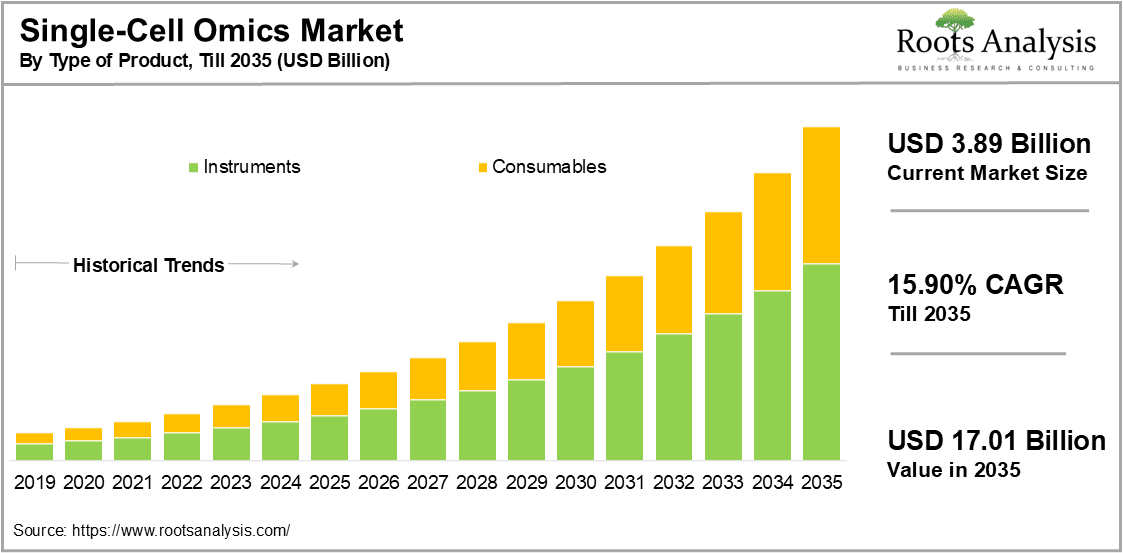
The global single-cell omics market is estimated to grow from USD 3.89 billion in 2025 to USD 17.01 billion by 2035, representing a CAGR of 15.90% during the forecast period.
 |
To learn more about this report, request a free sample copy
Driven by the growing prevalence of chronic diseases, there is a high demand for omics technology that aid in understanding disease progression. Single-cell omics is a field of research that focuses on the analysis of individual cells by using different techniques. It has emerged as a potential solution for understanding cell biology and immune response, which is useful to design treatment and drug development.
 |
 |
 |
Moreover, with availability of advanced technologies such as transcriptomics, and genomics, researchers are able to gain detailed information about cellular heterogeneity and disease pathology. The demand for single-cell omics is further bolstered by the growing requirement of personalized medicine to treat a wide range of diseases (including cancer). Currently, researchers are leveraging high throughput sequencing technology and single-cell omics for the analysis of individual cells, facilitating accurate diagnosis and monitoring treatment efficacy.
 |
 |
 |
Owing to the increasing adoption of single-cell omics, several industrial players are focusing on innovations to facilitate the development of high throughput single cell sequencing technologies and single-cell omics platforms. For instance, recently launched Asteria™ (single-cell RNA-seq kit) is the first of its kind solution for preparing single-cell cDNA libraries from cell suspensions. Its sophisticated design made it accessible to clinicians and scientists even without knowledge of single-cell technology.
 |
 |
 |
Furthermore, several industry players are focusing on launching innovative products that aid in discerning biological insights in a single cell. For instance, in June 2024, Bio-Rad Laboratories launched ddSEQ™ Single-Cell 3’ RNA-Sequencing kit that holds the capacity to deliver high-quality single-cell 3’ RNA-Seq libraries in a fast and efficient manner. As stated by Stephen Kulisch (Vice President of Marketing, Bio-Rad's Digital Biology Group), “The new ddSEQ™ Single-Cell 3' RNA-Seq Kit expands our NGS library preparation portfolio and is a further reflection of our commitment to provide researchers with innovative technologies to support molecular biology, oncology, and drug discovery research”.
These new advances in single cell sequencing technologies has caught the attention of industrial leaders to make considerable investments and collaborations. However, the primary focus will be on the development of high throughput sequencing (including next generation sequencing) and omics technologies that facilitate research on personalized drugs and understanding disease progression at cellular level. Given by the ongoing innovations, we believe that single-cell omics market is expected to grow at a steady pace during the forecast period.
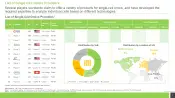
The market report provides in-depth information on industrial players who are currently active across various segments of the growing industry as mentioned in the table below.
| Key Report Attributes | Details | |
| Historical Trend | Since 2019 | |
| Forecast Period | Till 2035 | |
| Market Size 2035 | USD 17.01 billion | |
| CAGR | ~15.90% | |
| Type of Product |
|
|
| Types of Technology |
|
|
| Type of Application |
|
|
| Type of End User |
|
|
| Key Geographical Region |
|
|
| Key Companies Profiled | (A full list of key companies captured is available in the report) | |
| PowerPoint Presentation (Complimentary) |
Available | |
| Customization Scope | 15% Free Customization | |
| Excel Data Packs (Complimentary) |
Available | |
One of the key objectives of the single-cell omics market report was to estimate the current market size, opportunity and the market growth potential, over the forecast period, till 2035. We have provided informed estimates on the likely evolution of the market for the forecast period.
Additionally, the market report features the likely distribution of the market based on the type of product (instruments and consumables), type of technology (single-cell proteomics, single-cell metabolomics, single-cell transcriptomics and single-cell genomics), type of application (immunology, neurology, oncology and cell biology), type of end user (pharmaceutical and biotechnology companies, academic institutes and research organizations, hospitals and diagnostic laboratories, and other end users), geographical region (North America, Europe, Asia-Pacific, Middle East and North Africa, and Latin America) and leading players.
To account for the uncertainties associated with the development of single-cell omics and to add robustness to our model, we have provided three market forecast scenarios, portraying the conservative, base and optimistic tracks of the market’s evolution. All actual figures have been sourced and analyzed from publicly available information forums and primary research discussions. Financial figures mentioned in this market research report are in USD, unless otherwise specified.
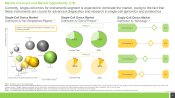
Based on the type of product, the global market is segmented into instruments and consumables. According to our analysis, presently instruments hold the highest share (nearly 60%) of the market and this segment is likely to remain dominant over the forecast period. Instruments, such as flow cytometers, single-cell RNA sequencing platforms and microfluidic devices are important for the isolation and analysis of individual cells. Furthermore, these instruments are crucial for advanced diagnostics and research in single-cell genomics, proteomics, transcriptomics (including spatial genomics and transcriptomics) and metabolomics, which is anticipated to be a key reason for the highest share.
It is important to highlight here that consumables will grow at a higher CAGR during the forecast period. These consumables include reagents, kits and other vital materials that are essential for single-cell assays, cell analysis and sample preparation. Moreover, the increasing demand for targeted therapies and ongoing research on drugs will continue to increase the requirement of consumables during the foreseen future.
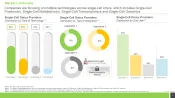
This segment highlights the distribution of global single-cell omics market based on technology into single-cell proteomics, single-cell metabolomics, single-cell transcriptomics and single-cell genomics. Among these, single-cell genomics occupy the highest share (43%) of the market. This can be attributed to the increasing demand for single-cell genomics platforms, next generation sequencing kits and high-throughput sequencing platforms to study cellular heterogeneity.
Furthermore, the industrial players are focusing on the development of singular genomic sequencing systems and kits to increase the analysis process that has contributed to the growth of this segment. However, driven by the growing shift towards metabolomics to identify biomarkers, drug targets, treatment monitoring and dosage optimization, the single-cell metabolomics technology is likely to grow at a higher CAGR during the forecast period. Additionally, market players are receiving funding support from government and non-government organizations to increase metabolomics research, which further propel the growth of this segment.
The global market is categorized based on the type of applications into immunology, neurology, oncology and cell biology. According to our projection, currently oncology accounts for the highest single-cell omics market share (nearly 55%). This can be attributed to the fact that single-cell omics has been widely adopted in the field of oncology for cancer research, treatment monitoring and personalized medicine development.
Additionally, the rising burden of cancer across the globe has augmented the requirement of advanced omics-based tools to analyze tumor progression and tumor cell heterogeneity. It is important to highlight here that the immunology segment is likely to grow at a substantial CAGR during the forecast period. The growing shifting towards immunotherapies and monoclonal antibodies-based therapeutics has increased the adoption of single-cell omics in immunology, which is expected to be a primitive reason for the higher CAGR of this segment.
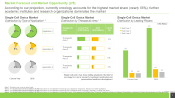
On the basis of the end user, the single-cell omics market is segmented into pharmaceutical and biotechnology companies, academic institutes and research organizations, hospitals and diagnostic laboratories, and other end users. Currently, academic institutes and research organizations holds the highest share (nearly 45%) of the market. Academic institutes and research organizations are exploring different applications of single-cell omics technologies across different fields, such as genomics, metabolomics, epigenomics and transcriptomics. Additionally, the recent focus of research on understanding cellular biology to develop novel targeted drugs and determine disease at cellular level has contributed to the growth of this segment.
However, the growing advanced therapeutic drugs to treat broad range of diseases has accelerated the adoption of single-cell omics technologies in pharmaceutical and biotechnology companies. Driven by the increasing efforts to facilitate drug discovery using single-cell omics, pharmaceutical and biotechnology companies will grow at a higher CAGR during the forecast period.
The global market is distributed across different geographical regions, such as North America, Europe, Asia Pacific, Middle East and North Africa, and Latin America. Currently, North America accounts for the highest single-cell omics market share (nearly 50%). This can be attributed to the growing prevalence of cancer in this region and rising R&D activities to develop advanced single-cell omics technologies.
Additionally, the supportive government guidelines for technological advancements are supporting the growth of market in this region. Notably, in Asia-Pacific the market for single-cell omics is anticipated to grow at a higher CAGR during the forecast period. This is likely to be the result of growing incidence of chronic disease including neurological disorders and cancer that demands innovative technological solutions for disease analysis at cellular level.
The “Single-Cell Omics Market, Industry Trends and Global Forecasts, till 2035” market report features an extensive study on the current market landscape and future potential of single cell omics technologies, over the next decade. The study presents an in-depth analysis, highlighting the capabilities of various industrial players engaged in this domain, across different geographies.
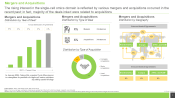
Currently, the market landscape has the presence of several well-established and new entrants with required expertise to develop single-cell omics technologies. In order to leverage competitive edge, several market players are taking strategic initiatives followed by collaborations and partnerships. The primary aim of collaborations and acquisition is to enhance product portfolio and develop high-throughput single cell omics technologies. In January 2024, Standard BioTools merged with SomaLogic, in order to grow its presence in the multi-omics domain. As stated by Michael Egholm (Chief Executive Officer, Standard BioTools), “We are moving forward with a significantly expanded and diversified platform, greater financial flexibility and an accelerated path to profitability. As a larger well-capitalized company, we have greater capacity to self-fund future growth initiatives and accelerate research insights across the industry, better serving our customers and delivering sustainable long-term growth for our shareholders. We are focused on ensuring a smooth transition and achieving our stated commitments.”
Overall, the market seems highly competitive, featuring the presence of several small, mid-sized and large companies with required expertise in manufacturing advanced single-cell omics. As more industrial players continue to increase their efforts in this field, we believe the market will remain competitive during the forecast period.
The rising prevalence of cancer across the globe has underscored the requirement of advanced analytic tools to understand disease progression at cellular level. Single-cell omics comes as a robust cells analysis tool to segregate cancer cells and study disease progression to design treatment plan. Furthermore, the single-cell omics has also helped in determining how a patient respond to the therapies, which further help in designing a tailored treatment plan. Additionally, the rising demand for biologics has further increased the adoption of single-cell omics as it aids in optimization of cell and cell lines that are used for biologics production. These factors collectively encourage the single-cell omics market growth during the forecast period.
Some of the potential challenges that need to be addressed for unprecedented growth include high cost, technical complexities and lack of standard protocols. It is important to highlight that the initial cost of single-cell omics technology is high covering purchasing reagents, specialized instruments, maintaining equipment and other aspects. Furthermore, this advanced cell analysis required skilled personnel for operations which further increases the overall cost of the technologies.
Despite challenges, the single-cell omics industry is witnessing an upsurge driven by the growing innovations and collaborations between industrial players. Currently, the key players of the industry as taking strategic initiatives to develop high-throughput single cell screening technologies, which is expected to be a potential single-cell omics market growth factor. Advanced technologies, such as live cell transcriptome sequencing technology (Live-seq) developed by Wanze Chen and Orane Guillaume Gentil allow continuous observation of whole genomic expression in living cells. Similarly, the market players are focusing on the development of single cell multi-omics which allow researchers to analyze multiple omics layers, such as transcriptomics, genomics and proteomics.
In order to accelerate the development of innovative technologies, various industrial players are forging collaborations and partnership agreements. For instance, in February 2024, 10X Genomics at Advanced in Genome Biology and Technology General Meeting in Orlando, revealed the next generation of its single-cell technology architecture that enable new assays of its Chromium platform. As more industrial players continue to accelerate partnerships for technological innovations, the market will continue to grow at a steady rate.
Currently, the global single-cell omics market size is valued at USD 3.89 billion. Driven by the growing application of single-cell omics to study cancer progression, the market is expected to reach USD 17.01 billion by 2035. Currently, the market leaders are following strategic initiatives for advances in single cell sequencing technologies. For instance, in July 2024, Thermo Fisher Scientific revealed Thermo Scientific Stellar™ MS at Annual American Society for Mass Spectrometry Conference on Mass Spectrometry (ASMS) in Anaheim, California. This advanced system is aimed to bring translational omics research at a wider scale. Driven by the ongoing innovations we believe that the market will grow at a higher CAGR of 15.90% during the forecast period.
North America currently holds the highest share of the market driven by the robust technological innovations and rising incidence in cancer. The industrial players established in the region are focusing on the collaborations and partnerships for the development of cutting-edge single-cell omics technologies, which is anticipated to key reason for single-cell multi omics market growth. Additionally, the region's strong emphasis on oncology precision medicine aligns with the potential of single-cell omics, propelling its integration into clinical research and diagnostics.
In October 2024, BD launched high-throughput, robotics-compatible reagent kits, including BD® OMICS-One XT WTA Assay and the Hamilton® Microlab™ NGS STAR automated liquid handling platform, that will support in automating the process of genome sequencing. As stated by Steve Conly (Worldwide President, BD Biosciences),” This standardization is crucial for the reproducibility of experiments, which is a cornerstone of scientific research. The integration of Hamilton's robotics with BD's robotics-ready reagent kits can streamline workflows, reduce the potential for human error, and accelerate the pace of discovery in critical areas such as oncology and immunology”.
In addition to North America, Asia-Pacific is likely to grow at a substantial CAGR during the forecast period. The highest growth potential can be attributed to the growing incidence of chronic conditions and rising support from government organizations for advanced technologies.
Examples of key companies engaged in market (which have also been profiled in this market report; the complete list of is available in the full report) include 10x Genomics, ANGLE, BD, Bio-Rad Laboratories, CELLENION, CYTENA, Danaher, Illumina, Mission Bio, PerkinElmer, Roche and Standard BioTools. This market report includes an easily searchable excel database of all the single-cell omics companies worldwide.
Several recent developments have taken place in the field of single-cell omics. We have outlined some of these recent initiatives below.