


 Download Free Sample
 Buy Now
Global Synthetic Biology in Healthcare Market Size
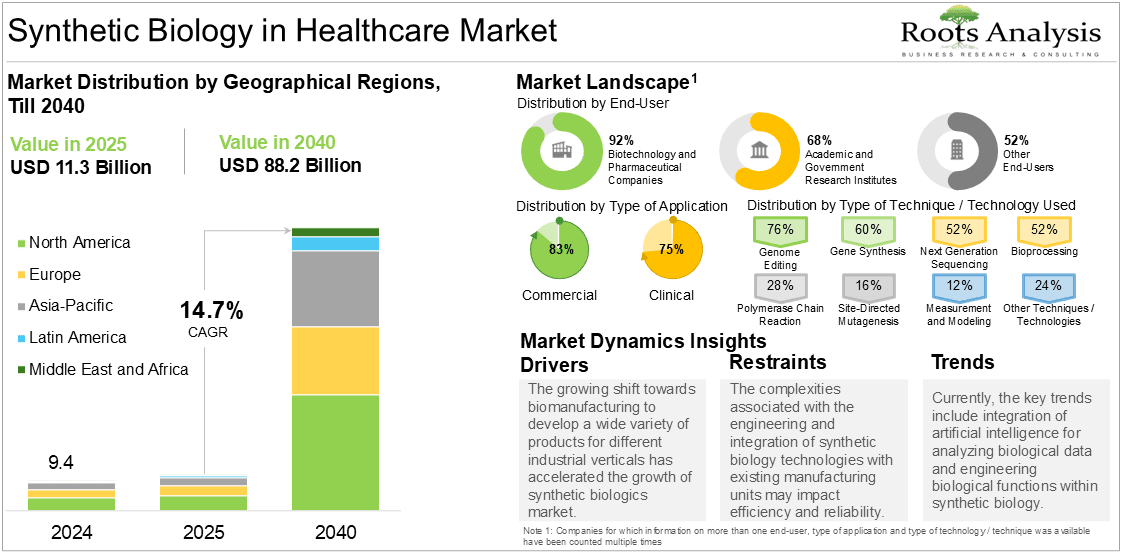
The synthetic biology in healthcare market is estimated to grow from USD 9.4 billion in 2024 to reach USD 11.3 billion in 2025 and USD 88.2 billion by 2040, representing a CAGR of 14.7% during the forecast period.
See What’s in the Full Report - Request Your Complimentary Insights!
Synthetic biology involves engineering of biological systems using advanced molecular technologies and tools for developing medicines and other bio-based products. It enables the development of custom-designed organisms, empowering pharmaceutical industries for designing therapeutic vaccines, semi-synthetic drugs and understanding disease mechanisms.
Click On The Thumbnails To View The Full Image
 |
 |
 |
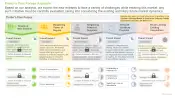
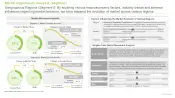
Synthetic biology rapidly expands its utility by leveraging advanced technologies, such as DNA read, write and edit tools to make valuable products. Yet, the field is overcoming barriers in scaling sustainable processes and precision engineering, while still facing challenges of cost efficiency, regulatory acceptance, and integration into established industrial ecosystems.
Click On The Thumbnails To View The Full Image
 |
 |
 |
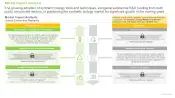
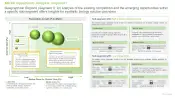
The demand for synthetic biology has significantly increased in pharmaceutical industry, biotechnology industry, and agriculture and environmental sectors. Additionally, the growing shift towards biofuel or green fuel and sustainable packaging / biodegradable products are further contributing to the market growth. As synthetic biology technologies increasingly mature across various industrial sectors, they are likely to pave the way for manufacturing sustainable bio-based solutions.
Click On The Thumbnails To View The Full Image
 |
 |
 |
Synthetic Biology in Healthcare Market: Report Attributes
| Key Report Attributes | Details | |
| Historical Trend | Since 2020 | |
| Forecast Period | Till 2040 | |
| Market Size 2025 | $ 11.3 Billion | |
| Market Size 2040 | $ 88.2 Billion | |
| CAGR (Till 2040) | 14.7% | |
The market analysis highlights the likely distribution of current and forecasted opportunities in the synthetic biology in healthcare domain across various segments, including technology type, product type, application type, end-user, and geographical regions.
Recent Developments in Synthetic Biology in Healthcare Market
Several recent developments in the field of synthetic biology have occurred, and we outline some of these below. These developments, even if they occurred after our market report’s release, reinforce the overall synthetic biology in healthcare market trends outlined in our analysis.
- In January 2025, Camena Bioscience and Constructive Bio joined a collaborative project led by the Max-Planck Institute to develop synthetic chloroplast genomes, aiming to overcome technical challenges in DNA synthesis and assembly.
- In January 2025, Twist Bioscience entered into a revised partnership with Ginkgo Bioworks to advance long DNA technology, enhance Twist’s synthesis capabilities, and strengthen collaboration in synthetic biology innovation across multiple industries.
- In January 2025, Esphera SynBio secured USD 2 million in seed funding to advance its synthetic biology platform, which engineers cells to express proprietary transgenes that generate therapeutic exosomes as nanomedicine vaccines targeting cancer and infectious diseases.
Advances in Laboratory-Based Human Embryo Models
The field of synthetic biology and stem cell research continues to evolve rapidly, with researchers now capable of generating live embryos in the laboratory using pluripotent stem cells or engineered platforms that bypass conventional fertilization. Plant Based Protein Expression applies engineered botanical hosts to the scalable production of recombinant proteins. One major breakthrough is the development of synthetic embryo models, also called “embryoids,” which self-organize into structures mimicking early mammalian development. Notably, teams at the Weizmann Institute and University of Cambridge have created embryo-like entities encompassing essential features, such as a beating heart, brain foundations, and extraembryonic tissues, grown entirely outside the womb for up to 14 days. These models, fabricated solely from stem cells, provide exquisite insight into human implantation and early pregnancy processes by replicating peri-implantation events and extraembryonic interactions.
Synthetic Biology in Healthcare Market Segmentation Insights
The market research report presents an in-depth analysis of the top synthetic biology companies, across different segments, as defined in the table below:
Synthetic Biology in Healthcare Market: Market Segmentation
| Market Segmentation | Details | |
| Type of Technology |
|
|
| Type of Product |
|
|
| Type of Application |
|
|
| End-User |
|
|
| Geographical Regions |
|
|
| Market in North America |
|
|
| Market in Europe |
|
|
| Market in Asia-Pacific |
|
|
| Market in Latin America |
|
|
| Market in Middle East and Africa |
|
|
In addition to synthetic biology’s expanding applications across various fields, the growing demand for early disease diagnosis and effective treatment drives significant investment in research and development for advanced genetic technologies. Notably, the growing research on cancer treatment development encourages the adoption of synthetic biology in the healthcare sector.
Your Business is Unique–Why Shouldn’t Your Report Be?
Synthetic Biology in Healthcare Market Share Insights
Market Share by Type of Technology: PCR Technologies Holds the Largest Share
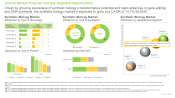
- In 2025, the PCR technologies segment will likely dominate the market (~30%). This stems from the fact that researchers widely use PCR technologies to diagnose infectious diseases and genetic disorders.
- As per the market trends, the genome editing technologies sub-segment is likely to grow at a higher CAGR during the forecast period. Genome engineering drives this growth by enabling targeted and efficient DNA modifications, facilitating the development of advanced biological systems and therapeutics.
Market Share by Type of Product: Oligonucleotide / Oligo Pools and Synthetic DNA Dominates the Largest Share
- In 2025, oligonucleotide/oligo pools and synthetic DNA will dominate the synthetic biology in healthcare market (~35%), driven by their cost-effectiveness, scalability, and versatility across applications such as gene synthesis, diagnostics, and therapeutics.
- Enzymes segment shows remunerative growth potential, growing at a higher CAGR during the forecast period. This growth is due to the expanding use of enzymes in healthcare, including DNA manipulation, protein engineering, and biochemical processes.
Market Share by Type of Application: Commercial Applications Holds the Largest Share
- In terms of applications, the global market is distributed across commercial and clinical applications. Commercial applications capture the majority of synthetic biology in healthcare market share (85%) in 2025.
- This results from industries such as biotechnology, pharmaceuticals, healthcare, agriculture, and industrial biotechnology extensively using synthetic biology technologies. These sectors leverage synthetic biology for a wide range of high-value applications including drug discovery, vaccine development, gene therapy, personalized medicine, biopharmaceuticals, and biofuels production.
Market Share by End-User: Biotechnology and Pharmaceutical Companies Dominate the Synthetic Biology in Healthcare Market
- There are various sub-segments of market based on end-user, such as biotechnology and pharmaceutical companies, academic and government research institutes and others. Growing demand for advanced therapies, such as monoclonal antibodies, gene therapies and personalized medicine will likely help biotechnology and pharmaceutical companies have highest synthetic biology market size.
- The extensive use of synthetic biology by academic and government research institutes for applications such as developing biofuels, therapeutics, environmental bioremediation, and advanced agriculture will likely propel their segment to grow at a higher CAGR (14.9%) during the forecast period.
Market Share by Geographical Regions: North America to Propel in the Synthetic Biology in Healthcare Market in the Coming Years
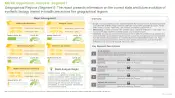
- Our synthetic biology in healthcare market forecast shows that North America will capture about 45% of the synthetic biology market, as strong public and private investments, supportive regulations, and significant funding initiatives propel regional growth.
- Increased research activities in Asia-Pacific will accelerate market growth at a relatively faster pace in this region.
Want Information on Specific Region/Segment?
Synthetic Biology in Healthcare Market: Report Deliverables
| Report Deliverables | Details | |
| Excel Data Packs (Complimentary) |
|
|
| Key Synthetic Biology Companies Profiled |
|
|
| PowerPoint Presentation (Complimentary) | Available | |
| Customization Scope | 15% Free Customization | |
Synthetic Biology in Healthcare Market Key Takeaways
The “Synthetic Biology in Healthcare Market: Industry Trends and Global Forecasts, till 2040” market report features an extensive study of the current market landscape of synthetic biology products and services providers, along with market value and future opportunities within the synthetic biology in healthcare market industry, during the forecast period.
Market Size Analysis: What is the Opportunity for Synthetic Biology Companies in Healthcare Industry?
The synthetic biology in healthcare market size is around USD 11.3 billion in 2025 and is expected to grow at a CAGR of 14.7% during the forecast period. In terms of type of technology, PCR technologies segment holds the largest share of the market.
It is worth highlighting that the genome editing technologies segment is growing at a CAGR of 15.5%. This can be attributed to the fact that genome editing technologies are driving advancements across fields such as medicine, agriculture, and biotechnology by enabling more precise, efficient, and affordable DNA modifications. They are increasingly being adopted due to their potential to treat genetic disorders, enhance crop resilience, and accelerate drug development, fueled by substantial government and private sector investments in research and innovation.
Regional Analysis: Which Region Holds the Largest Share of Synthetic Biology in Healthcare Market?
North America is Leading the Market
In 2040, North America’s market will likely dominate, capturing around 45% of the market share. Key factors that contribute to the region’s dominance in this industry include the substantial investments, favorable regulatory environments, and increased government support.
Asia-Pacific: An Emerging Growth Spot
As per synthetic biology in healthcare market analysis, the market in Asia-Pacific is likely to grow at a CAGR of 15.6% in the forecast period. Declining costs of DNA sequencing and synthesis, along with growing awareness and demand for synthetic biology applications in pharmaceuticals, biotechnology, biofuels, and other industrial sectors in countries like China, primarily drive this growth.
What are the Key Drivers of Synthetic Biology in Healthcare Market?
Advancements in biotechnology and genetic engineering, such as gene editing tools and CRISPR-Cas9, are propelling the growth of synthetic biology in healthcare. These technologies enable the modification of microbial genes with higher precision. This precision allows researchers to develop personalized gene therapies targeting a broad range of diseases including cancer, sickle cell anemia and cystic fibrosis.
Moreover, the growing shift towards biomanufacturing for developing a wide variety of products across different industrial verticals has further accelerated the synthetic biology in healthcare market growth.
Unlock Deeper Insights–Schedule Your Personalized Workshop Today!
Synthetic Biology in Healthcare Market Report Coverage
- An Infographic Executive Summary
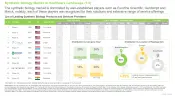
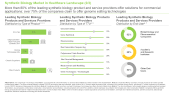
- Market Landscape of Leading Synthetic Biology Product and Service Providers
- Market Impact Analysis
- Market Forecast Analysis
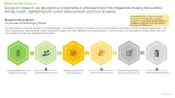
- Mega Trends Analysis
- Porter’s Five Forces Analysis
- Company Profiles
From the Author’s Desk
Author’s View on Synthetic Biology in Healthcare Market
The rise of synthetic biology techniques, such as gene editing and metabolic engineering, has drawn significant interest from researchers and industry leaders. They see its potential to create novel biological functions, enhance sustainability, and address healthcare, agricultural, and environmental challenges. As a result, experts expect synthetic biology adoption to accelerate rapidly.
About Authors
Lead Author: Vaibhav Singh
Lead Reviewer: Rupanshi Sharma
Chief Editor: Prachi Bhalla
Glossary
- Synthetic Biology: Synthetic biology is an interdisciplinary field that involves designing and constructing new biological parts, devices, and systems, or redesigning existing natural biological systems for useful purposes.
- Oligonucleotide: An oligonucleotide is a short strand of DNA or RNA, typically composed of a small number of nucleotides linked together.
- Cloning Technologies Kits: Cloning technology kits comprises of reagents and tools designed to quickly and efficiently insert DNA fragments into vectors for replication and study in molecular biology applications.
- Chassis Organisms: Chassis organisms are standardized, engineered biological platforms used in synthetic biology to host and support new genetic components or functions.
- CRISPR-Cas9: CRISPR-Cas9 is a precise, RNA-guided gene-editing technology that enables targeted modification of an organism's DNA by cutting and altering specific genetic sequences.


