
Lowest Price Guaranteed
Slides
86
Last Updated
September 2026
View Count
13081
The vaccine development companies produced an estimated 7 billion doses of vaccines globally, in the year 2024 and are expected to produce around 8 billion doses in 2025.
Notably, the development and approval of innovative vaccines, by vaccine development companies, such as mRNA, DNA, and recombinant vaccines, are significant trends shaping the competitive landscape of vaccines market.
Vaccine is a specialized pharmaceutical product designed to stimulate the body’s immune system, enabling it to recognize and protect against specific diseases over the long term. The development of vaccines typically involves using either weakened or inactivated forms of the disease-causing microorganism, or incorporating key antigenic elements from the pathogen, such as structural proteins and inactivated toxins. By introducing these components, vaccines help the immune system to identify and combat the real pathogen if encountered in the future.
 |
 |
 |
World Health Organization broadly categorizes vaccines into two types: preventive (prophylactic) vaccines, which are administered to protect individuals from contracting diseases, and therapeutic vaccines, which are sometimes used as part of treatment regimens to help the body fight existing illnesses. Currently, pharmaceutical companies offer numerous vaccines, and many are undergoing clinical trials or are in various stages of development, targeting a wide range of serious and debilitating conditions.
In September 2026, Ethiopia, Norway, and the UK committed USD 240 million to the Coalition for Epidemic Preparedness Innovations to support its CEPI 3.0 strategy, which aims to strengthen global preparedness and accelerate the development of vaccines against emerging infectious disease threats.
 |
 |
 |
It is worth mentioning that vaccines are essential in the fight against infectious diseases. They not only help control and eliminate current health threats but also offer significant potential in addressing new and emerging health challenges across the globe.
The partnership, collaborations and expansions by vaccine development companies are shaping the vaccine industry. Several recent developments in the field of vaccine developers have occurred. Some of these developments are outlined below.
| Report Deliverables | Details | |
| Excel Data Packs (Complimentary) |
|
|
| PowerPoint Presentation (Complimentary) |
Available | |
| Customization Scope | 15% Free Customization | |
The vaccine developer’s domain is expected to grow in the coming years. Xavier Becerra, (United States secretary of health and human services), states, “Accelerating the development of new vaccines will allow us to stay ahead and ensure that Americans have the tools they need to stay safe.”
Discussions with multiple stakeholders in this domain influenced the opinions and insights presented in this study. The market report includes detailed transcripts of the following third-party discussions:
Vaccine Development Companies Landscape Report: Major Takeaways
The “Vaccine Development Companies Landscape” report features an extensive study of the current market landscape, recent expansions, partnerships and collaborations and big pharma initiatives within the vaccine developer’s industry, during the forecast period.
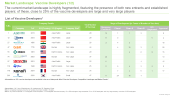
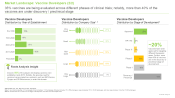
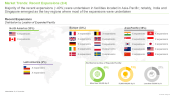
The current market landscape features more than 200 vaccine developers including very large, large, mid-sized and small companies. These vaccine developers have the required expertise to develop different types of vaccines, such as cancer vaccines, mRNA vaccines, RSV vaccines and DNA vaccine across different key geographical regions. Notably, around 45% of companies are based in North America, followed by Asia-Pacific (28%); this demonstrates that the market potential is high in these regions. Notable examples of recently established vaccine developers (established post-2020, in alphabetical order) include AbVacc, Auro Vaccines, HilleVax, Innovac Therapeutics, Nuravax, Pyrojas and Vernagen.
The increasing prevalence of infectious diseases and emerging pandemics has driven the urgent need for innovative vaccines, which, in turn, fuels the growth of vaccine development companies. Additionally, the rising investments from both public and private sectors, along with favorable government initiatives and facility expansions, have amplified research and development activities within the thermostable vaccines industry.
It is worth mentioning that vaccine development companies are employing various advanced technologies, such as mRNA platforms, recombinant DNA technology, and viral vector-based approaches, to create more effective and safer vaccines. Additionally, technological advancements, such as artificial intelligence and high-throughput screening in the vaccine development domain are resulting in accelerated timelines and the creation of targeted, next-generation vaccines.
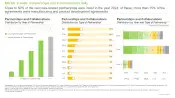
Vaccine developers have forged several partnerships with other stakeholders to enhance their vaccine portfolios. Notably, in the last five years, companies based in North America and Europe have inked majority of the partnerships to strengthen their development processes of vaccines. In April 2026, ILiAD Biotechnologies entered into a contract with hVIVO to conduct a pivotal Phase III human challenge trial for its next-generation intranasal pertussis vaccine candidate, BPZE1.
It is worth highlighting that majority of the deals signed in this domain are instances of manufacturing agreements, followed by product development agreements. Vaccine developers’ persistent efforts to advance their research and development activities for the development of different types of vaccines.
The vaccine development companies landscape has witnessed significant facility expansions to meet growing global demand and advance manufacturing capabilities. In September 2026, Sanofi inaugurated a CAD 925 million influenza vaccine manufacturing facility in Toronto, Canada, to expand end to end domestic vaccine production and strengthen the country's preparedness for future influenza pandemics. Other key players, including Lonza and WuXi Biologics, have also expanded their new mRNA vaccines in development and viral vector vaccine capacities worldwide. These investments highlight the industry’s focus on scaling production, enhancing innovation, and strengthening supply chains to meet future vaccine demands.
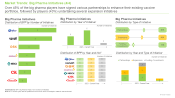
Examples of several leading big pharma players driving vaccine development (which have also been captured in the vaccine development companies landscape report, arranged in alphabetical order) are AstraZeneca, CSL, GlaxoSmithKline, Merck, Pfizer, Sanofi and Takeda. This market report includes an easily searchable excel database for all the vaccine development companies engaged in this industry across various research and manufacturing applications.
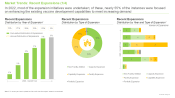
Vaccine development companies actively evaluate all expenses throughout the vaccine lifecycle, including research and development (R&D), clinical trials, manufacturing, quality assurance, distribution, and regulatory compliance. These companies invest heavily in vaccine development, often spending $800 million to $1 billion over 10 to 15 years. Specialized facilities, skilled personnel, and strict quality standards contribute significantly to these costs. The complexity of manufacturing processes, the adoption of advanced technologies, and the need to allocate overheads, such as facility maintenance and regulatory activities further drive the expenses. Consequently, companies set the unit cost of vaccines as a baseline for pricing strategies, which directly influences their profit margins and long-term market sustainability.
The future outlook for vaccine development companies appears highly promising. Heightened awareness of immunization, increased government funding, and rapid technological innovation, particularly in mRNA and other novel vaccine platforms are driving this expansion and revolutionizing the speed and efficacy of vaccine development. Further, regulatory consulting for vaccine development companies are also shaping the market, while organizations are expanding immunization programs in emerging markets and making significant investments in advanced manufacturing and cold chain infrastructure.
Key growth opportunities include the rise of combination vaccines, expansion into non-infectious disease areas (such as cancer) and the increasing role of digital health and artificial intelligence in vaccine development and distribution. Further, strategic partnerships between pharmaceutical companies, biotech firms, and contract manufacturers are accelerating innovation, advances in vaccine production and scaling production capacity. Therefore, the market for vaccine development companies is expected to drive substantial demand due to improving healthcare infrastructure and government support. Notably, vaccine development companies are well-positioned for sustained growth, diversification, and global impact in the coming decade.
The market report presents an in-depth analysis, highlighting the capabilities of various stakeholders in the vaccine developer’s industry, across different geographies. Amongst other elements, the market report includes:
The market for vaccine development is rapidly expanding, driven by technological innovation, increased government funding, and greater public awareness of immunization benefits. Major pharmaceutical and biotech firms are investing heavily in next-generation platforms, supported by expedited regulatory pathways and robust public-private partnerships. With leading players continuously enhancing their pipelines and manufacturing capabilities to address both endemic and emerging infectious diseases, the vaccine development companies landscape is poised to grow in the coming years.
Lead Author: Parneet Kaur
Lead Reviewer: Aashima Bhalla
Chief Editor: Prachi Bhalla