
Lowest Price Guaranteed
Pages
165
Last Updated
May 2026
View Count
18454
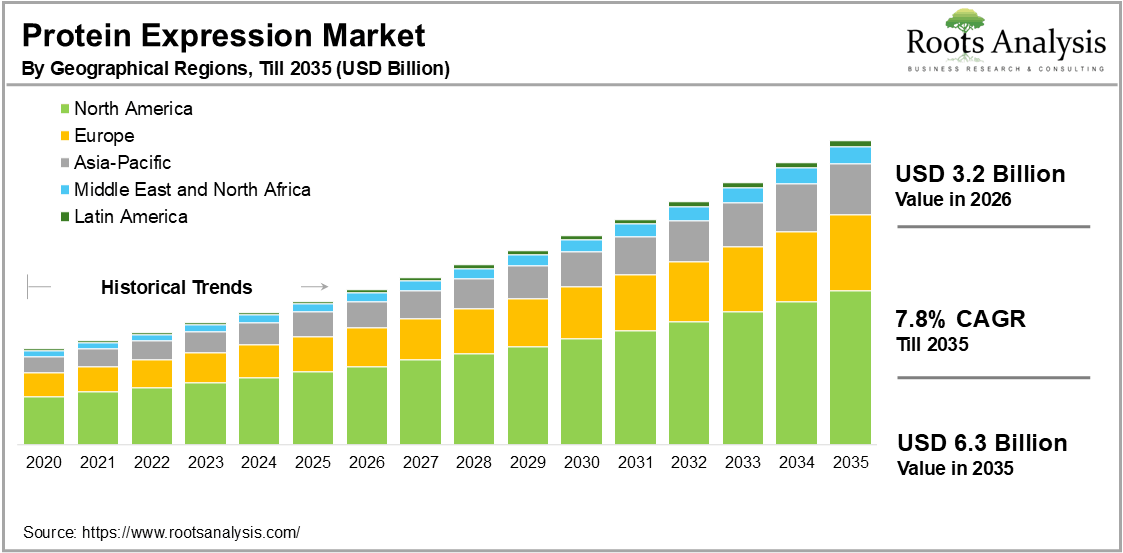
The global protein expression market, valued at USD 3.0 billion in 2025, is projected to reach USD 3.2 billion in 2026 and USD 6.3 billion by 2035, with a 7.8% CAGR during the forecast period 2026 to 2035.
 |
To learn more about this report, request a free sample copy
The new research study consists of industry trends, brief market analysis, competitive landscape, value chain analysis and market impact analysis. The report also includes market forecast and opportunity analysis.
Proteins are complex macromolecules made up of long chains of amino acids, having crucial role in drug discovery, therapeutics and diagnostics. Over the years, proteins have become increasingly important for their application as therapeutic candidates, owing to their versatility, enhanced metabolic stability, biological target specificity and higher affinity. It is important to note that 50% of the top ten selling drugs are protein therapeutics. In the last 12 months alone, close to 20 protein therapeutics have been approved by the USFDA, for the treatment of myriad of chronic diseases, including cancers, immune disorders, infections, and diabetes. Moreover, since 2023, more than 6,500 patents related to protein expression have been granted.
The growing research activity in this domain and surge in demand for protein therapeutics has prompted the pharmaceutical players to actively adopt protein expression systems for the production of various recombinant proteins. These systems offer several advantages, including the ability to produce a broad range of target molecules, by altering components suited for their production, higher yield, shorter development time and low cost of production. In addition, a number of players have also developed kits and reagents for the expression of proteins. These products have enabled the synthesis of several complex proteins, including toxic proteins, membrane proteins and other post translationally modified proteins.
Therefore, over the forecast period, owing to the rising incidence of chronic diseases, increasing demand for protein therapeutics, maturation of protein-based leads into the clinic and / or commercialized stage, and development of advanced expression systems, the protein expression market is anticipated to witness healthy growth.
 |
 |
 |
The market research report presents an in-depth analysis of various protein expression product and service providers that are involved in global protein expression industry, across different segments, as defined in the table below:
| Key Report Attributes | Details | |
| Historical Trend | Since 2020 | |
| Forecast Duration | 2026-2035 | |
| Future Trend | Till 2035 | |
| Market Size 2026 | $ 3.2 Billion | |
| Market Size 2035 | $ 6.3 Billion | |
| CAGR (Till 2035) | 7.8% | |
| Type of Protein Expression System |
|
|
| Protein Expression-related Offerings |
|
|
| Application Area |
|
|
| End Users |
|
|
| Type of Operation |
|
|
| Geography |
|
|
| Key Companies Profiled in the Protein Expression Market |
|
|
| Customization Scope | 15% Free Customization | |
| Excel Data Packs (Complimentary) |
|
|
 |
 |
 |
One of the key objectives of this market report was to estimate the current market size, opportunity and the future growth potential of the protein expression product and service providers, over the forecast period. Based on multiple parameters, likely adoption trends and through primary validations, we have provided an informed estimate on the market evolution during the forecast period, till 2035.
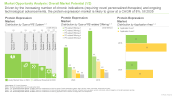
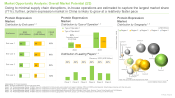
The market report also features the likely distribution of the current and forecasted opportunity for protein expression product and service providers in the overall market across various segments, such as type of protein expression system (algal, cell-free, insect, mammalian, prokaryotic and yeast), protein expression-related offerings (competent cells, expression vectors, instruments, kits and reagents, and protein expression services), application area (research and diagnostics, and therapeutics), end-users (academic and research institutes, CROs and CDMOs, pharmaceutical / biotechnology companies, and other end-users), type of operation (in-house and outsourced operations), Geography(North America, Europe, Asia-Pacific, Latin America, and Middle East and North Africa) and key players. In order to account for future uncertainties associated with some of the key parameters and to add robustness to our model, we have provided three protein expression market forecast scenarios, namely conservative, base, and optimistic scenarios, representing different tracks of the industry’s evolution.
All actual figures have been sourced and analyzed from publicly available information forums and primary research discussions. Financial figures mentioned in this market report are in USD, unless otherwise specified.
The global protein expression market is segmented into different types of protein expression systems such as algal, cell-free, insect, mammalian, prokaryotic and yeast expression systems. The mammalian expression system currently occupies the highest share and is expected to remain dominant during the forecast period. This can be attributed to the fact that mammalian cells possess the ability to produce mammalian proteins that have native structure and high levels of post-translational modifications and functional activity. It is worth highlighting that, close to 85% of the biopharmaceuticals are produced using mammalian cell cultures.
The global protein expression market is segmented into different types of protein expression-related offerings, such as competent cells, expression vectors, instruments, kits and reagents, and protein expression services. Given that kits and reagents aid in optimizing protein expression by incorporating solubility tags, purification tags, and protease cleavage sites, these currently hold the largest market share. Further, the development of novel competent cell strains and custom expression vectors are expected to drive growth in the overall protein expression industry.
The global protein expression market is segmented into different application areas, such as research and diagnostics, and therapeutics. It is worth highlighting that the market share for therapeutics is likely to grow at a higher CAGR in the coming years as compared to the research and diagnostics applications of protein expression. This can be attributed to the versatility, efficacy, and ability of protein therapeutics to target complex disorders, thereby offering a promising avenue for innovative drug development and addressing unmet medical needs.
The global protein expression market caters to a variety of end-users, including academic and research institutes, CROs and CDMOs, pharmaceutical and biotechnology companies and other end-users. Pharmaceutical and biotechnology companies currently capture the highest share and are expected to dominate the market during the forecast period. Owing to ongoing advancements in protein expression technologies and growing demand for protein-based therapeutics, the revenues generated from manufacturing of proteins by pharmaceutical and biopharmaceutical companies is expected to grow substantially as compared to other end-users.
The global market for protein expression is segmented into different types of operations, including in-house and outsourced operations for producing proteins. It is worth highlighting that owing to various benefits of undertaking protein production initiatives in-house, such as improved efficiency, stringent quality control, protected intellectual property and minimal supply chain disruptions, market for protein expression for in-house operations is likely to grow at a higher CAGR in the coming years as compared to the outsourced operations.
The global protein expression market is segmented across various geographies, such as North America, Europe, and Asia-Pacific, Latin America and Middle East and North Africa. According to our projections, North America captures the majority share (50%) of the market opportunity, and this trend is unlikely to change during the forecast period. This can be attributed to the expedited approval timelines, technical advancements and expansions related to protein expression in developed countries, such as the US. It is worth highlighting that the market for protein expression in Asia-Pacific is expected to grow at a relatively higher CAGR (10.0%), during the forecast period, till 2035.
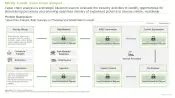
The “Protein Expression Market: Industry Trends and Global Forecasts, Till 2035” report features an extensive study of the current market landscape, market size and future opportunities associated with protein expression product and service providers within the protein expression industry, during the given forecast period. The market report highlights the efforts of several stakeholders engaged in this rapidly emerging segment of the pharmaceutical industry. Key takeaways of the market report are briefly discussed below.
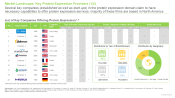
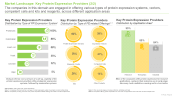
The current market landscape seems to be well-fragmented, featuring the presence of both new entrants and established players. Stakeholders in this domain offer various types of protein expression systems, vectors, competent cells, and kits and reagents, across different application areas including industrial, research and therapeutic. The majority of the protein expression product and service providers offer prokaryotic expression systems, owing to its low cost, high expression yield and ease of scale-up. This is followed by mammalian expression systems. Further, it is worth highlighting that more than 80% of the players offer protein expression services.
It is interesting to highlight that in order to meet the increasing demand for protein therapeutics, the companies engaged in protein expression domain have undertaken several initiatives, such as entering into strategic collaborations, and expanding their existing capabilities / product portfolios.
Emergence of cell free protein expression systems has facilitated the synthesis of several complex proteins, including toxic proteins, membrane proteins and other post translationally modified proteins, which were challenging to express using conventional cell-based systems. Further, owing to some major advances in synthetic organic chemistry, plant based protein expression systems have emerged as a promising alternative for protein synthesis over other expression systems. Plant-host engineering facilitates the production of proteins with distinct and uniform post translational modifications, demonstrating higher effectiveness.
In addition, integration of computational biology and machine learning, are helping to design exceptional protein expression systems. Moreover, technology-driven changes such as in silico prediction and development of drugs and antibiotics are further transforming the protein expression landscape, offering a competitive edge to the overall market.
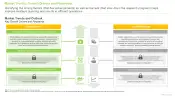
The protein expression market growth is primarily driven by the growing pipeline of protein-based therapeutics, being developed for the treatment of a myriad of disease indications including oncological, cardiovascular and metabolic disorders. There has been constant evolution in protein based therapeutics as well, with some companies also evaluating oral proteins and peptides for therapeutic applications. In addition, increasing demand for personalized and precision therapies have emerged as the key drivers for the growing adoption of such solutions in the overall pharma market. It is anticipated that over 10 novel personalized therapeutic modalities will be approved by the US FDA each year.
Presently, therapy developers are constantly looking out for opportunities to leverage the protein expression solutions offered by protein expression product and service providers, in order to streamline their development process and cater to the rising demand for personalized therapies. Further, technological advancements in the domain, including novel expression systems, microfluidics, alternative expression hosts, and high throughput genome editing techniques, are expanding the efficiency of protein expression process, thereby fueling the adoption of protein expression technologies in the pharmaceutical industry.
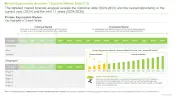
The global market opportunity for protein expression product and service providers is currently estimated worth USD 3.2 billion, driven by the rapidly increasing demand for protein therapeutics. In terms of type of protein expression system, the market for mammalian expression system is anticipated to capture the largest market share, during the forecast period, till 2035. The market growth is primarily fueled by their applicability in diverse research purposes, notably in studying protein functions, owing to their ability to offer superior post translational modifications and functional protein activity.
Currently, North America and Europe capture around 75% of the protein expression market share. Considering the expedited approval timelines, technical advancements and expansions related to protein expression in developed countries, such as the US, North America is expected to dominate the overall market. Further, the market in Europe is anticipated to show substantial growth, owing to rising prevalence of various disease indications, such as diabetes and cancer across the region. It is worth highlighting that the market in Asia-Pacific is likely to grow at a higher rate owing to the lower manufacturing costs, cheap and skilled labor and supportive regulatory landscapes in this region.
Examples of key protein expression product and service providers involved in the protein expression industry (which have also been captured in this market report, arranged in alphabetical order) include Agilent Technologies, Ajinomoto Bio-Pharma Services, Aldevron, Cayman Chemical, Charles River Laboratories, Domainex, Eurofins CALIXAR, GeNext Genomics, GenScript Biotech, Lonza, Merck KGaA, New England Biolabs, ProMab, Promega, ProteoGenix, QIAGEN, Sartorius, Synbio Technologies, Syngene, Takara Bio, Thermo Fisher Scientific and WuXi Biologics. This market report includes an easily searchable excel database for all the companies offering protein expression-related products / services for various industrial, research and therapeutic applications.
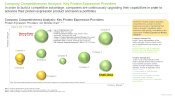
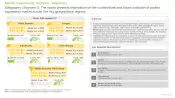
The market report presents an in-depth analysis, highlighting the capabilities of various protein expression product and service providers in this market, across different segments. Amongst other elements, the market report includes:
 |
 |
 |
Several recent developments have taken place in the field of protein expression. We have outlined some of these recent initiatives below. These developments, even if they took place post the release of our market report, substantiate the overall market trends that have been outlined in our analysis.