
Skincare Industry Trends
In 1967, renowned zoologist Desmond Morris quoted, “Flawless skin is the most universally desired human feature”. According to him, social convention dictates that the well-being of human health and fertility are indicative of an even-toned, clear skin with a radiant complexion. While cosmetic procedures can effectively target specific aging concerns like deep wrinkles, sagging skin, and volume loss, they may not comprehensively improve the overall skin quality. However, a daily skincare regimen, if followed stringently, can have a significant impact on the individuals overall skin type and quality.
Since the 1970s, technological advancements have propelled the creation of active ingredients that improve skin appearance. These components encompass alpha and beta hydroxy acids, retinol derivatives, vitamin derivatives, advanced bioengineered ingredients that boost collagen production. Technology is progressively being adopted by major skincare product manufacturers and the suppliers responsible for developing base ingredients, enhancing sophistication in the industry.
Recent trends in the global skincare industry showcase a growing emphasis on personalization, multifunctionality, and the rise of the men’s skin care market. Consumers are increasingly seeking personalized experiences in skincare, with a focus on clean beauty and application techniques to enhance efficacy and performance.
Skincare: Clean And Green Beauty
Clean beauty refers to skincare products that are formulated with natural, non-toxic ingredients and are free from harmful chemicals and additives. This movement has gained momentum in recent years as consumers become more conscious of the ingredients they apply to their skin. According to Roots Analysis, natural skincare products currently capture around USD 17 billion of the global skincare market. This market is anticipated to grow at a CAGR of ~12% over the next decade. New brands can capitalize on this trend by developing clean and green formulations that prioritize transparency and emphasize the use of organic, plant-based ingredients.
One example of a successful clean beauty brand is Tata Harper, which offers a range of skincare products made with 100% natural and non-toxic ingredients. The brand’s commitment to clean beauty has resonated with consumers, and it has become a leader in the industry.
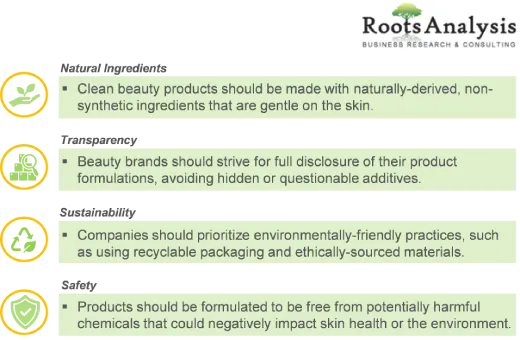
The following figure presents the various key principles of clean beauty.
Personalization and Customization of Skincare
Personalized skincare solutions have become increasingly popular among consumers seeking tailored solutions for their specific skin concerns and preferences. With advancements in technology, brands can now offer personalized skincare regimens based on individual skin types, concerns, and goals. By providing customized products and recommendations, new brands can differentiate themselves in the market and build strong relationships with their customers. A prominent example in the field is Curology, which offers customized skincare formulations based on individual skin concerns. Customers complete an online consultation and receive a personalized prescription cream containing active ingredients tailored to their needs.
Skincare Market: A Highlight On The Ongoing Megatrends
The skincare industry is being shaped by several key megatrends. The rise of digitalization and e-commerce has revolutionized how consumers shop for skincare, with brands leveraging digital marketing strategies and providing online experiences. Moreover, novel cosmetic products, including waterless beauty products, have greatly influenced the market, as well as the consumer behavior. Unlike traditional beauty products that use water as a base, waterless formulations rely on active ingredients or botanical oils to create their products. Due to the absence of water, waterless beauty products tend to be more concentrated, as the active ingredients are not diluted by water. The waterless beauty trend initiated in South Korea, emphasizing on increasing the potency of skincare products and effectiveness.
The digital era has also sparked a transformation in how we engage with content and brands, with the skincare industry notably impacted by this evolution. Social media wields a profound and ever-evolving influence on skincare practices, trends, and perceptions. Unlike traditional channels, social media serves as a rich resource for brands to promote skincare information, offering users insights into diverse skincare concerns, remedies, and therapies. Platforms such as Instagram, Twitter, YouTube, and TikTok have emerged as pivotal hubs of skincare knowledge for many individuals.
Additionally, there is an increased focus on ingredient transparency, as consumers want to know exactly what they are putting on their skin, and an intersection of skincare with wellness trends as people prioritize self-care rituals. By staying attuned to these evolving megatrends, skincare brands can position themselves for success in this dynamic and competitive market. The following figure presents the various megatrends, currently gaining momentum in the skincare market.

Key Industry Drivers and Restraints in the Skincare Market
The global skincare market size growth is primarily attributed to the change in self care rituals and practices over the last few years. Moreover, the growing consumer awareness of the potential health and environmental effects associated with conventional skincare formulations has led to an increased focus on sustainable skincare / natural skin care products. As the benefits of clean beauty become more widely recognized, there is a rising demand for products that provide safer and environmentally sustainable alternatives.
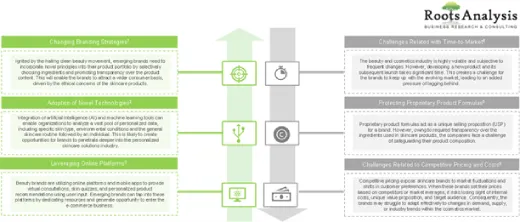
However, the skincare industry is not without substantial restraints which hinder its growth. The industry is highly volatile and subjective to frequent changes. However, developing a new product and its subsequent launch takes significant time. This creates a challenge for the brands to keep up with the evolving market, leading to an added pressure of lagging behind. Further, protecting intellectual property is also tricky; proprietary product formulas act as a unique selling proposition (USP) for a brand. However, owing to required transparency over the ingredients used in skincare products, the companies face a challenge of safeguarding their product composition. The following figure presents some of the key market drivers and restraints in the skincare industry.
MARKET TRENDS: The Growing Interest in Anti Aging Skincare
The pursuit of eternal youth has led to a surge in the demand for anti aging skincare products, with consumers increasingly seeking out the best skincare on the market that promises to turn back the clock. This trend is driven in part by the desire to combat the visible signs of aging, such as wrinkles, fine lines, and age spots, as well as the loss of skin elasticity and firmness. As a result, the market is flooded with products making bold claims about their ability to rejuvenate and revitalize the skin.
Further, the current leading consumer population of the skincare industry is the Gen Z and millennials, owing to which as they age, the demand for anti-aging products is also expected to increase over the forecast period.

Antiviral Drugs: Are we Prepared for the Next Viral Pandemic?

Introduction To Exosome Therapeutics

Reconstitution Medication: Reconstitution of Lyophilized Drug
About Author
