
Synthetic Leather Industry – The Sustainable, Innovative Solution That Redefines Luxury Without Compromise
Synthetic leather industry is emerging as a game-changer in the world of materials. It is an alternative to genuine leather, offering a compelling balance between style and sustainability. Synthetic leather is made from innovative materials that are constantly evolving, caters to the growing demand for eco-conscious and animal-friendly options. Synthetic leather boasts impressive versatility, allowing for customization with a spectrum of colors, textures, and finishes. Further, it provides the luxurious look and feel of genuine leather at a more accessible price point, without compromising on functionality. It is worth highlighting, its potential to revolutionize various industries, from fashion to automotive, is undeniable.
Synthetic Leather Manufacturers – Current Market Landscape
The synthetic leather industry landscape in healthcare features over 235 players offering various synthetic leather, with different formulation, function and serving variety of end-users. It is interesting to highlight that the majority (187) of synthetic leather manufacturers are presently based in Asia. Within this region, China emerged as the most prominent hub. Notable examples of players located in Asia include (arranged in alphabetical order) Kuraray, Mayur Uniquoters, NAN YA PLASTICS and San Fang Chemical. This is followed by players headquartered in North America, Europe, and the Middle East and North Africa.
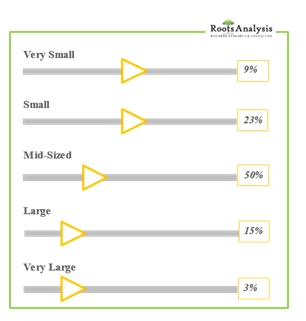
Overall, the market landscape of such manufacturers is well-fragmented, featuring the presence of small, mid-sized, large, and very large players, which claim to have the required expertise and capabilities to offer such synthetic leather for various industries. It is worth mentioning that the domain is predominantly characterized by the presence of mid-sized companies (96). Notable examples of mid-sized companies, (arranged in alphabetical order, based in Asia) Elegant Vinyl, Jasch Industries, Response Fabrics, Teijin Cordley, Vortex Flex and Zaibunco.
The figure pasted below shows the distribution of developers of synthetic leather based on company size.
What are Key Drivers for Synthetic Leather Industry?
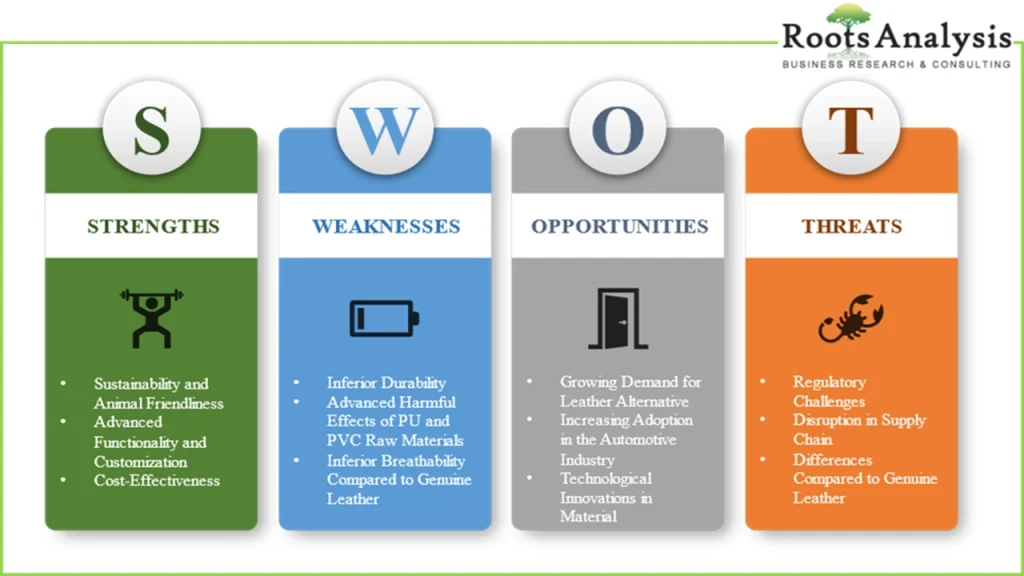
- Sustainability and Animal-Friendliness: Synthetic leather offers a sustainable and animal-friendly alternative to traditional leather, as it is made from man-made materials without the need for animal hides or skins, resulting in a more environmentally friendly manufacturing process.
- Advanced Functionality and Customization: Synthetic leather can be engineered with specific properties, including water resistance, stain repellency, and durability, while also being available in a wide range of colors and embossed or printed with various patterns and textures to mimic the look and feel of natural leather.
- Cost-Effectiveness: Synthetic leather is a cost-effective option due to its lower production costs, efficient manufacturing process, and durability, making it a viable alternative to genuine leather for many applications while providing good value for money.
What are Key Restraints for Synthetic Leather Industry?
- Inferior Durability: Over time, synthetic leather can become brittle, crack, and peel, especially when exposed to sunlight, heat, or frequent use. While synthetic leather may be more affordable and easier to maintain in the short term, its inferior durability can lead to a shorter overall product lifespan, making it a less cost-effective choice in the long run.
- Harmful Effects of PU and PVC Raw Materials: The synthetic leather’s key weakness is in the potential harmful effects of its raw materials, particularly polyurethane (PU) and polyvinyl chloride (PVC). PU and PVC production can release volatile organic compounds (VOCs) and other hazardous substances into the environment, posing risks to human health and ecosystems.
- Inferior Breathability Compared to Genuine Leather: Unlike natural leather, which is porous and allows air to circulate, synthetic leather is typically made from non-breathable materials, such as polyurethane or polyvinyl chloride (PVC). This lack of breathability can lead to increased perspiration and discomfort, especially during prolonged use or in warm environments.
What are Key Opportunities in Synthetic Leather Industry?
- Growing Demand for Eco-Friendly Leather Alternative: Consumers are becoming increasingly conscious of the environmental impact of leather production, which can involve water pollution, deforestation, and the release of greenhouse gases. Synthetic leather, made from materials like polyurethane or polyvinyl chloride, offers a more sustainable option that can mimic the look and feel of leather without the same environmental footprint.
- Increasing Adoption in the Automotive Industry: Synthetic leather has become a popular choice for automakers due to its cost-effectiveness, durability, and sustainability compared to genuine leather. It enables automakers to offer attractive and durable interior options at a lower cost, appealing to a wider range of consumers. Furthermore, the use of synthetic leather aligns with sustainability initiatives, reducing the reliance on animal-derived materials.
- Technological Innovations in Synthetic Leather Material: Synthetic leather has seen significant advancements in recent years, with technological innovations leading to improved quality, durability, and sustainability. These innovations include the development of advanced bio-based materials and polymers, including polyurethane and polyvinyl chloride (PVC), which offer enhanced tear strength, abrasion resistance, and flexibility.
What are the Key Threats to the Growth of Synthetic Leather Industry?
- Regulatory Challenges: Synthetic leather production faces significant regulatory challenges due to the use of hazardous chemicals, including N,N-dimethylformamide (DMF) and phthalates in polyurethane (PU) and polyvinyl chloride (PVC) processing.
- Disruption in Supply Chain: The COVID-19 pandemic has caused significant disruptions in the global supply chain, affecting the availability and delivery of raw materials and intermediate goods required for the production of synthetic leather. The reliance on global supply chains makes the synthetic leather industry vulnerable to external shocks and events that can disrupt the flow of materials and goods, posing a significant challenge to the industry’s sustainability and competitiveness.
- Differences Compared to Genuine Leather: Genuine leather is a natural material derived from animal hides, which gives it a unique texture, breathability, and long-lasting quality. In contrast, synthetic leather is a man-made material, often made from plastic-based compounds, that cannot replicate the same level of quality, feel, and longevity as the real thing.
The figure pasted below shows a summarized representation of SWOT points mentioned above.
Global Synthetic Leather Industry Trends
During our research, we estimated the global synthetic leather market is likely to reach over USD 88 billion in 2035, growing at an annualized growth rate (CAGR) of 7.02%. This growth can be attributed to various factors, such as increasing consumer demand for sustainable and vegan leather alternatives.
Synthetic Leather Industry – Regional Analysis
Asia is expected to dominate the overall synthetic leather industry. This can be attributed to growing population, increasing industrialization and rising demand for automobiles in this region. Furthermore, Asia is a key region for the synthetic leather market, with countries, including China, and India playing a vital role. It is worth highlighting that, in the coming years, owing to the cheap labor and favorable manufacturing conditions for synthetic leather manufacturers, the market in Asia is likely to grow at a relatively higher CAGR as compared to other regions.
To know more details on the synthetic leather industry visit here https://www.rootsanalysis.com/reports/synthetic-leather-market.html
Author Bio:
Rishav Thakur
Rishav Thakur is a business research analyst and competitive intelligence professional. He is highly skilled at generating useful insights from unstructured / structured datasets. As an analyst at Roots Analysis, Rishav has assisted several clients across multiple industry verticals within the healthcare and chemical domain. These verticals include, medical devices / technologies, digital healthcare services and various drugs / disease indications.
Rishav Thakur holds a B. Pharmacy degree from Shoolini University. In addition to working on market research and pharmaceutical business analysis, he has hands-on laboratory experience and has completed his internship at Cadila Pharmaceutical, Samba. To date, he has contributed to over six full length market research projects and consulting projects.
Email: rishav.thakur@rootsanalysis.org
LinkedIn: https://www.linkedin.com/in/rishav-thakur-0809211b2/

Cell Line Engineering is the Most Common Service Offered by CRISPR-Based Genome Editing Companies

Landscape of mRNA-Based Therapeutics and Vaccines: Growth Opportunities and Future Outlook

Single-use Bioreactor: An Indispensable Component for Biopharmaceutical Manufacturing
About Author
